Close Menu
 World
World
 Biography
 Health
 Education
 Business
 Lifestyle
 Sports
 Technology
 Animals
 History
 Food
Food
 Religious
 Startups
 Movies
 Politics
 Fashion
 Covid
Covid
 Diet
Diet
 Fitness
 Marketing
 Travel
 Science
 Reviews
 Social media
 Stories
 Facts
Facts
 Art
Art
 Entertainment
Deepak

Health
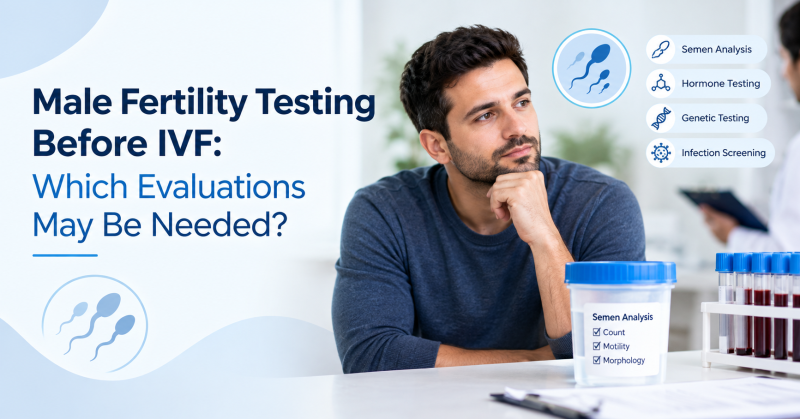
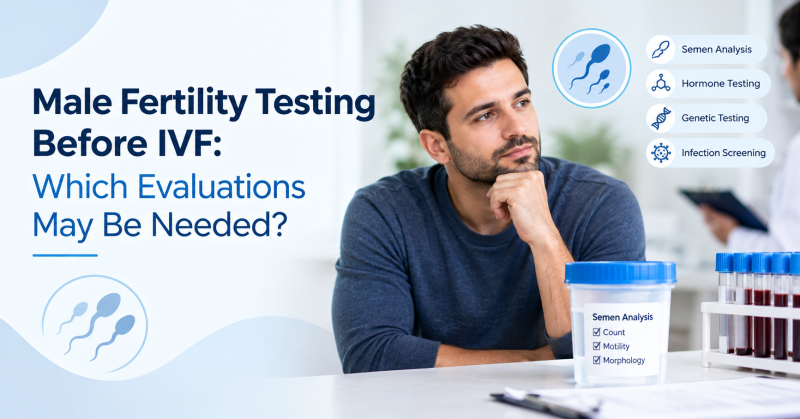
Male Fertility Testing Before IVF: Which Evaluations May Be Needed?
 Deepak
When a couple is preparing for IVF, most of the attention goes to the woman's tests, scans, and medicines. But male factors contribute to a significant share of infertility cases, and a proper evaluation of the man is an important step before treatment begins.
Understanding the male partner's fertility status helps the doctor choose the right treatment, whether that is IUI, conventional IVF, or ICSI. It can also uncover treatable problems that may improve the chances of success. Couples searching for the best male fertility in Delhi are often looking for exactly this: clear answers about which tests are needed and what the results mean.
Why Male Fertility Testing Matters Before IVF
IVF is not only about eggs. Sperm quality influences fertilisation, embryo development, and the choice of laboratory technique. A man can feel healthy and have no symptoms, yet still have sperm-related problems.
Testing before IVF helps to:
- Identify the cause of delayed conception
- Decide between standard IVF and ICSI
- Detect medical conditions that may need separate treatment
- Avoid unexpected surprises on the day of egg retrieval
- Plan whether surgical sperm retrieval might be needed
Evaluating both partners together also avoids unnecessary delays, since treatment planning works best with the full picture.
Step 1: Medical and Lifestyle History
The evaluation usually begins with a conversation. A fertility specialist may ask about:
- How long the couple has been trying to conceive
- Any earlier pregnancies or children
- Past surgeries, infections, or injuries, including mumps or testicular problems
- Chronic illnesses such as diabetes
- Medicines, supplements, or hormone products in use
- Smoking, alcohol, tobacco, or substance use
- Sexual function and frequency of intercourse
- Occupational exposure to heat, chemicals, or long hours of sitting
These details often point the doctor toward the most useful tests.
Step 2: Semen Analysis
A semen analysis is the most common first test. It looks at several features of the sample:
- Volume: the amount of semen produced
- Sperm concentration: the number of sperm per millilitre
- Motility: the percentage of sperm that move, and how well
- Morphology: the shape and structure of sperm
- Other parameters: such as pH, liquefaction time, and white blood cells
Results can vary from one sample to another, because sperm quality is affected by illness, stress, and abstinence time. For this reason, doctors often recommend repeating the test after a few weeks before drawing conclusions.
Doctors typically compare results against reference values published by the World Health Organization. These are guides, not absolute cut-offs. A result slightly outside the range does not always mean a man cannot father a child, and a result within range does not always rule out a problem.
How to Prepare for the Test
- Follow the abstinence period advised by the clinic, commonly two to seven days
- Collect the sample as instructed and deliver it promptly
- Mention any recent fever, illness, or new medicine
Step 3: Physical Examination
A clinical examination can reveal issues that a semen report cannot. The doctor may check for:
- Varicocele, which is an enlargement of veins in the scrotum
- Testicular size and consistency
- Absence or blockage of the vas deferens
- Signs of hormonal imbalance
- Genital infections or other structural concerns
Varicocele is one of the more commonly discussed, potentially correctable findings in male infertility, though whether treatment helps depends on the individual case.
Step 4: Hormone Blood Tests
If the semen analysis shows low sperm count or other abnormalities, blood tests may be advised. These commonly include:
- Follicle-stimulating hormone (FSH)
- Luteinizing hormone (LH)
- Testosterone
- Prolactin, in selected cases
Hormone levels help the doctor understand whether the problem lies in sperm production within the testes or in the signals coming from the brain.
Step 5: Scrotal Ultrasound
An ultrasound may be suggested when the examination finds something unusual or when semen results are significantly abnormal. It can help assess testicular structure, detect varicoceles that are hard to feel, and identify cysts or other abnormalities.
Step 6: Advanced Tests When Needed
Not every man needs these, and a doctor will recommend them only when there is a reason.
- Sperm DNA fragmentation testing: may be considered in cases of repeated IVF failure, recurrent pregnancy loss, or unexplained infertility. Its role in routine care is still debated, so it is best discussed with your specialist.
- Genetic tests: such as karyotype or Y-chromosome microdeletion testing, which may be advised when sperm count is very low or absent.
- Semen culture or infection screening: when infection is suspected.
- Post-ejaculation urine test: if retrograde ejaculation is a concern.
- Testicular biopsy or surgical sperm retrieval assessment: in cases where no sperm are found in the semen.
What If the Results Are Abnormal?
An abnormal report can feel upsetting, but it is rarely the end of the road. Depending on the findings, options may include:
- Treating infections or hormonal imbalances
- Managing varicocele when appropriate
- Lifestyle changes, such as quitting smoking, reducing alcohol, and improving sleep and physical activity
- Using ICSI, where a single sperm is selected and injected into the egg
- Surgical sperm retrieval in men with very low or absent sperm in the ejaculate
The right path depends on the cause, the couple's age, the female partner's fertility status, and their treatment history. No outcome can be guaranteed, but an accurate diagnosis gives the medical team something concrete to work with.
When Should Men Seek a Fertility Evaluation?
Consider seeing a specialist if:
- You have been trying to conceive for a year without success (or six months if the female partner is over 35)
- There is a history of testicular injury, surgery, or infection
- You have erection or ejaculation difficulties
- You notice swelling, pain, or lumps in the scrotum
- A previous semen report was abnormal
- You are about to begin IVF or IUI
Choosing Male Fertility Care in Delhi
Many couples type "best male fertility in Delhi" into a search bar hoping for a simple answer, but the right choice is a personal one. Rather than relying on rankings, it helps to look for a specialist who explains each test clearly, evaluates both partners together, and recommends only the investigations that are genuinely needed.
Access to male fertility in Delhi has improved in recent years, with more clinics offering semen analysis, hormone testing, and ultrasound under one roof. Still, the quality of counselling matters as much as the equipment. A good consultation should leave you understanding why each test is being done and what the results could change.
Dr. Poonam Goyal, a Gynecologist and Fertility Specialist in Delhi, takes a couple-centred approach to fertility care. This means reviewing the history and reports of both partners before building a treatment plan, so that IVF decisions rest on complete information rather than assumptions.
Final Thoughts
Male fertility testing before IVF is a practical step that can shape the entire treatment plan. A semen analysis, a physical examination, and, where needed, hormone or genetic tests can explain a lot about why conception has been delayed and which approach may suit the couple best.
If you are planning IVF or have been struggling to conceive, a timely consultation with a qualified specialist for male fertility in Delhi can bring clarity and help you move forward with confidence.
This article is for general information only and is not a substitute for personalised medical advice. Please consult a qualified doctor for evaluation and treatment.
Frequently Asked Questions
1. Is male fertility testing necessary before IVF?
In most cases, yes. Sperm quality affects fertilisation and embryo development, and the results help the doctor decide whether conventional IVF or ICSI is more suitable.
2. What is the first test for male fertility?
A semen analysis is usually the first test. It checks sperm volume, concentration, motility, and shape. Doctors may repeat it to confirm results.
3. How do I find the best male fertility care in Delhi?
Look for a qualified fertility specialist who evaluates both partners, explains the purpose of each test, and avoids promising guaranteed results. Clear communication and a personalised plan are better indicators of quality than advertising claims.
4. Can a man with a normal semen report still have a fertility problem?
Yes, it is possible. A standard semen analysis does not assess every aspect of sperm function, such as DNA integrity. If conception remains delayed, a specialist may suggest further evaluation.
5. Does a low sperm count mean IVF will not work?
Not necessarily. Techniques like ICSI can help when sperm numbers are low, and in some cases sperm can be retrieved surgically. The suitability of each option depends on the individual situation.
Source:
Click for the: Full Story
You might like