Close Menu
 World
World
 Biography
 Health
 Education
 Business
 Lifestyle
 Sports
 Technology
 Animals
 History
 Food
Food
 Religious
 Startups
 Movies
 Politics
 Fashion
 Covid
Covid
 Diet
Diet
 Fitness
 Marketing
 Travel
 Science
 Reviews
 Social media
 Stories
 Facts
Facts
 Art
Art
 Entertainment
Rajan

Health
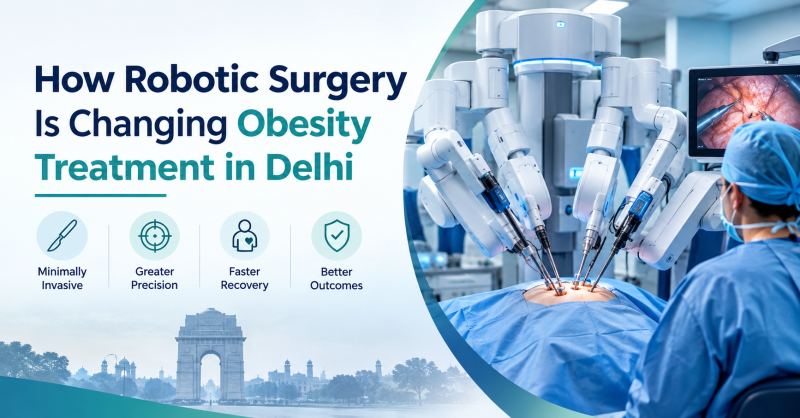
How Robotic Surgery Is Changing Obesity Treatment in Delhi
 Rajan
Rajan
Obesity is no longer just a lifestyle concern in India's cities. It is a medical condition linked to type 2 diabetes, hypertension, sleep apnea, fatty liver, joint problems, and infertility. For people with severe obesity who haven't succeeded with diet and exercise, bariatric surgery is one of the most effective long-term options, and robotic technology is changing how these operations are done. If you are searching for the best robotic obesity surgeon in Delhi, it helps to first understand what robotic surgery is, what it can and can't do, and how to judge a surgeon's suitability.
What Is Robotic Bariatric Surgery?
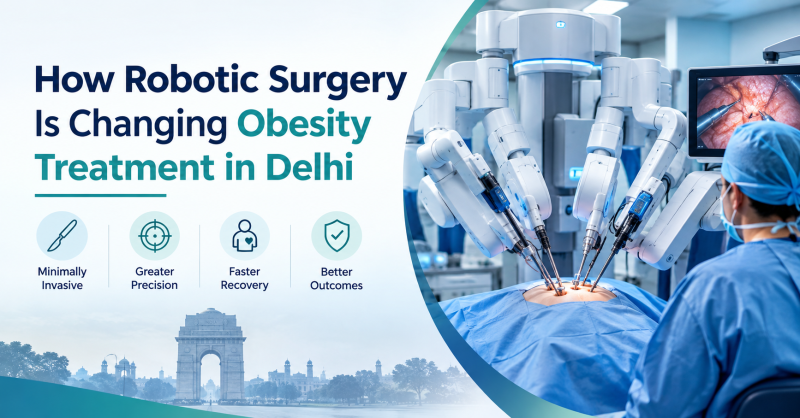
Robotic bariatric surgery is a minimally invasive form of weight loss surgery. The surgeon operates from a console, controlling robotic arms that hold a high-definition 3D camera and precise instruments inserted through small incisions.
The robot doesn't operate on its own. The surgeon controls every movement, and the technology adds:
- Magnified 3D vision of the surgical field
- Wristed instruments that rotate more freely than the human hand
- Tremor filtering for steadier movements
- Better ergonomics for the surgeon during long or complex procedures
Common Robotic Weight Loss Procedures
Several bariatric operations can be performed robotically:
- Sleeve gastrectomy: A large portion of the stomach is removed, leaving a narrow, banana-shaped "sleeve" that limits food intake and reduces hunger hormones.
- Roux-en-Y gastric bypass: A small stomach pouch is created and connected directly to the small intestine, restricting intake and altering nutrient absorption and gut hormones.
- Mini gastric bypass / one-anastomosis gastric bypass (OAGB): A simplified bypass with a single connection, increasingly used for suitable patients.
- Revision surgery: Corrective procedures for people who regained weight or had complications after a previous operation. These are technically demanding, and robotic precision can help.
The right procedure depends on your BMI, health conditions, eating habits, and goals, so it should be decided by a qualified team rather than chosen in advance.
Also visit:
Best Obesity Surgeon in Rajinder Nagar
Why Robotic Surgery Is Gaining Ground in Delhi
Delhi has seen rising demand for advanced bariatric care, driven by growing awareness and the spread of lifestyle-related diseases. Better hospital infrastructure has also made robotic platforms more accessible across Delhi NCR.
Potential advantages of the robotic approach include:
- Greater precision in tight spaces, which matters for patients with a high BMI, an enlarged liver, or a deep abdominal cavity
- Smaller incisions, which may mean less scarring and less post-operative pain
- Shorter hospital stays for many patients
- Faster return to daily activities compared with open surgery
- Support in complex or revision cases
Research comparing robotic and conventional laparoscopic bariatric surgery shows broadly similar safety and weight-loss outcomes for standard procedures. Robotic surgery is not automatically "better" for everyone. Its value is greatest in technically difficult cases and in the hands of an experienced surgeon.
Who Is a Candidate for Obesity Surgery?
Guidelines used in India, which are lower than Western thresholds because of higher metabolic risk at lower BMI in South Asians, generally consider surgery for:
- BMI of 35 or above with or without related conditions
- BMI of 32.5 or above with obesity-related conditions such as type 2 diabetes or hypertension (for Asian populations, some guidelines accept a lower threshold)
- People who have tried supervised non-surgical weight loss without lasting results
Surgery isn't right for everyone. Untreated eating disorders, active substance dependence, certain severe heart or lung conditions, and unrealistic expectations may make a person unsuitable. A thorough evaluation, including blood tests, nutrition assessment, and sometimes psychological screening, comes first.
What to Expect: The Patient Journey
- Consultation and evaluation: Medical history, BMI, comorbidities, and goals are reviewed.
- Pre-operative preparation: Investigations, diet modification, and counselling.
- Surgery: Typically one to three hours, under general anaesthesia.
- Hospital stay: Often two to three days, depending on the procedure and recovery.
- Follow-up and diet progression: Liquids first, then purees, then soft and regular foods over several weeks.
- Long-term care: Vitamin and mineral supplementation, regular check-ups, exercise, and dietary discipline.
Surgery is a tool, not a cure. Lasting results depend on the lifestyle changes that follow.
Risks and Limitations You Should Know
Every operation carries risk. Possible complications of bariatric surgery include bleeding, infection, leaks at staple or suture lines, blood clots, acid reflux (especially after sleeve gastrectomy), and nutritional deficiencies over time. Robotic procedures can also cost more than conventional laparoscopic surgery, and not every hospital offers them. Discuss these trade-offs openly with your surgeon.
How to Choose the Best Robotic Obesity Surgeon in Delhi
"Best" depends on the fit between your needs and the surgeon's expertise, not on advertising. When comparing options, look for:
- Formal training and credentials in bariatric and minimally invasive surgery
- Volume and experience with the specific procedure you need, including revision cases
- A multidisciplinary team that includes dietitians, physicians, and psychologists
- Transparent discussion of risks, alternatives, and realistic results
- Structured follow-up, since the care that follows surgery matters as much as the operation
- Hospital infrastructure, including ICU support and emergency backup
Frequently Asked Questions
1. Is robotic obesity surgery safer than laparoscopic surgery?
Both are minimally invasive and have similar safety records in standard cases. Robotic assistance may offer advantages in complex or revision surgeries, but surgeon experience matters more than the technology.
2. How much weight can I lose after bariatric surgery?
Results vary by procedure and individual. Many patients lose a substantial share of their excess weight in the first 12 to 18 months, but outcomes depend heavily on diet, activity, and follow-up.
3. How long is recovery after robotic weight loss surgery?
Most people stay in hospital for a few days and return to light activity within one to two weeks. Full dietary progression takes several weeks.
4. Will bariatric surgery cure my diabetes?
Many patients see significant improvement or remission of type 2 diabetes, especially early in the disease, but it isn't guaranteed and can return if weight is regained.
5. Is robotic surgery available across Delhi NCR?
Yes, several major hospitals in Delhi NCR now offer robotic platforms. Availability and surgeon expertise vary, so confirm both before booking. This is why many patients search for the best robotic surgeon in Delhi NCR rather than choosing on convenience alone.
Conclusion
Robotic technology is expanding what's possible in obesity treatment across Delhi, offering precision, smaller incisions, and support for complex cases. But technology is only as good as the team using it. If you're weighing surgery, focus on eligibility, realistic expectations, long-term follow-up, and the experience of the surgeon you choose. A well-informed decision is the best starting point when looking for the best robotic obesity surgeon in Delhi.
Disclaimer: This article is for general information and does not replace personal medical advice. Consult a qualified healthcare professional before making treatment decisions.
Source:
Click for the: Full Story
You might like