


 Close Menu
 World
 Biography
 Health
 Education
 Business
 Lifestyle
 Sports
 Technology
 Animals
 History
 Food
 Religious
 Startups
 Movies
 Politics
 Fashion
 Covid
 Diet
 Fitness
 Marketing
 Travel
 Science
 Reviews
 Social media
 Stories
 Facts
 Art
 Entertainment
Rajan

Health
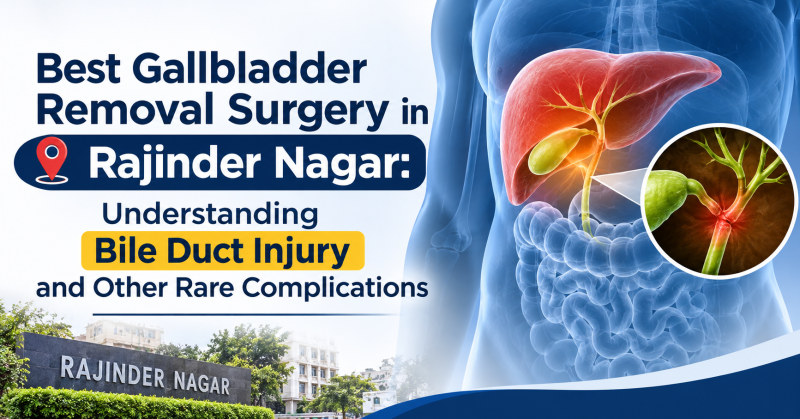
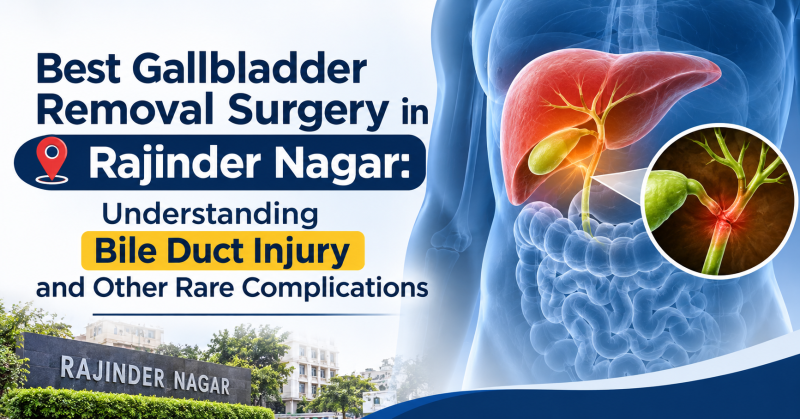
Best Gallbladder Removal Surgery in Rajinder Nagar: Understanding Bile Duct Injury and Other Rare Complications
 Rajan
Gallbladder removal is among the most routine operations in general surgery, and most patients go home within a day and feel normal within a couple of weeks. Yet anyone searching for the best gallbladder removal surgery in Rajinder Nagar is, quite sensibly, also asking a harder question: what could go wrong, and how would I know? Honest answers to that question are part of good surgical care. This article explains bile duct injury and other uncommon complications, the warning signs to watch for, and the safeguards that experienced surgeons use.
How Common Are Complications?
Laparoscopic cholecystectomy (keyhole gallbladder removal) is considered safe, and serious complications are uncommon. Bile duct injury is the most feared of them, but large published series generally place it at well under 1% of operations. Rarity is not the same as impossibility, which is why technique, judgement and early recognition matter so much.
What Is a Bile Duct Injury?
Bile travels from the liver through the hepatic ducts into the common bile duct and then to the intestine. The gallbladder hangs off this system through a thin channel called the cystic duct. During surgery, that duct and the cystic artery are clipped and divided. A bile duct injury occurs when the main duct is cut, clipped, burned or narrowed by mistake, or when a small duct leaks bile.
Injuries fall broadly into two types:
- Bile leak: bile escapes into the abdomen from a small duct or the cystic duct stump
- Obstruction or stricture: the main duct is blocked or scarred, so bile cannot reach the intestine
Why It Happens
The duct anatomy is not identical in everyone, and the surgical view can be poor when tissues are inflamed. Factors that raise the difficulty include:
- Acute or repeated gallbladder infection causing scarring
- Obesity or heavy fat around the gallbladder
- Anatomical variations in the bile ducts or blood vessels
- Previous upper abdominal surgery
- Bleeding that obscures the field
Warning Signs After Surgery
Some soreness, bloating and shoulder-tip pain are normal for a few days. Contact your surgeon promptly if you notice any of the following:
- Abdominal pain that is getting worse rather than better
- Fever or chills
- Yellowing of the eyes or skin (jaundice)
- Dark urine and pale or clay-coloured stools
- Persistent nausea, vomiting or a swollen abdomen
- Bile-stained fluid from the wound or drain
- Itching all over the body
Symptoms may appear within days, but a narrowing of the duct can sometimes show up weeks or even months later, so unexplained jaundice or recurrent fever should never be dismissed as "after-surgery weakness".
How Injuries Are Diagnosed
Doctors usually begin with blood tests, especially liver function tests, followed by ultrasound or CT to look for fluid collections. Further tests depend on the suspicion:
TestWhat it showsLiver function testsPattern suggesting bile flow obstruction or liver stressUltrasound / CT scanCollections of bile or pus, dilated ductsHIDA (hepatobiliary) scanWhether bile is leakingMRCPDetailed map of the bile ducts and level of any blockageERCPEndoscopic view and, often, treatment of a leak or narrowing
Treatment Options
Treatment depends on the type, level and timing of the injury.
- Injury noticed during surgery: a surgeon trained in biliary reconstruction may repair it at once. If that expertise is not available, the safer course is often to place drains and transfer the patient to a specialist centre rather than attempt a hurried repair.
- Small bile leaks: these are often managed by draining collections and placing a stent through the bile duct with ERCP, which lets bile flow into the intestine while the leak heals.
- Strictures: mild narrowing may be treated with endoscopic or radiological dilation and stenting. Major injuries or complete blockages usually need reconstructive surgery, commonly a Roux-en-Y hepaticojejunostomy, in which the bile duct is connected directly to a loop of small intestine.
- Supportive care: antibiotics for infection, nutrition support and close follow-up.
Outcomes are generally better when injuries are recognised early and managed by a team experienced in complex biliary surgery.
Other Rare Complications
Bile duct injury is not the only concern. Other uncommon problems include:
- Bleeding, from the liver bed or the cystic artery, occasionally needing re-operation
- Injury to the bowel or blood vessels, mostly related to the entry of instruments into the abdomen
- Wound infection or port-site hernia
- Retained or dropped stones, which may lead to later pain or abscess
- Blood clots in the legs or lungs, more relevant for older or less mobile patients
- Anaesthesia-related events, particularly with heart or lung disease
- Post-cholecystectomy symptoms, such as indigestion or loose stools, which usually settle but are worth reporting if persistent
How Surgeons Reduce the Risk
Safe gallbladder surgery is built on habits, not luck. Widely accepted safeguards include:
- Critical view of safety: clearly identifying the cystic duct and artery, and confirming only two structures enter the gallbladder, before anything is cut
- Cholangiography or fluorescence imaging during surgery in selected cases, to outline the ducts
- Knowing when to change plan: converting to open surgery, or performing a partial (subtotal) cholecystectomy when inflammation hides the anatomy
- Preoperative work-up: liver tests and imaging to identify duct stones or unusual anatomy
- Appropriate timing: operating during a calm phase when possible rather than in heavily inflamed tissue
Choosing a Surgeon: Questions Worth Asking
People comparing the best gallbladder removal surgery in Delhi often focus on reputation alone, but a few direct questions give a clearer picture. Ask how the surgeon confirms the anatomy before dividing structures, when they would convert to open surgery, whether the hospital has ERCP, radiology and intensive care support, and what follow-up is planned.
Residents of Central Delhi who want an in-person opinion can consult Dr. Tarun Mittal, a surgeon with more than 20 years of experience, at Sir Ganga Ram Hospital, Old Rajendra Nagar, New Delhi – 110060. Patients specifically looking into gallbladder removal surgery at Sir Ganga Ram Hospital may find it helpful to bring their scans and liver reports and use the visit to discuss their personal risk factors and the safety steps planned for their operation.
Conclusion
The best gallbladder removal surgery in Rajinder Nagar is not defined by the promise of zero risk, because no operation can offer that. It is defined by careful preparation, a surgeon who confirms the anatomy before cutting, a hospital equipped to handle problems, and open communication before and after the procedure. Knowing the warning signs and asking the right questions will help you take part in your own care and act quickly if something does not feel right.
Disclaimer: This article is for general education and does not replace personal medical advice. Please consult a qualified surgeon for diagnosis and treatment.
Frequently Asked Questions
1. How common is bile duct injury during gallbladder removal?
It is uncommon, occurring in well under 1% of laparoscopic cholecystectomies in large series. The risk is higher with severe inflammation or unusual anatomy, which is why careful technique and preparation matter.
2. Can a bile duct injury be fixed?
Yes. Depending on the injury, treatment ranges from drainage and stenting to reconstructive surgery. Early recognition and referral to an experienced biliary team improve the chances of a good recovery.
3. When should I call my doctor after surgery?
Contact your surgeon promptly for worsening pain, fever, jaundice, dark urine, pale stools, repeated vomiting or bile-stained discharge. Do not wait for your scheduled follow-up if these appear.
4. Does open surgery mean something went wrong?
No. Converting to open surgery, or performing a partial gallbladder removal, is a deliberate safety decision when the anatomy cannot be seen clearly. It reduces the risk of injury.
5. Can complications appear weeks after surgery?
Sometimes. Bile duct narrowing and some infections can emerge weeks or months later, so unexplained jaundice, fever or recurring upper abdominal pain should always be evaluated.
Source:
Click for the: Full Story
You might like





You Might Like this