


 Close Menu
 World
 Biography
 Health
 Education
 Business
 Lifestyle
 Sports
 Technology
 Animals
 History
 Food
 Religious
 Startups
 Movies
 Politics
 Fashion
 Covid
 Diet
 Fitness
 Marketing
 Travel
 Science
 Reviews
 Social media
 Stories
 Facts
 Art
 Entertainment
Rajan

Health
Gallbladder Removal Surgery for Multiple Stones: Important Factors Before Treatment
 Rajan
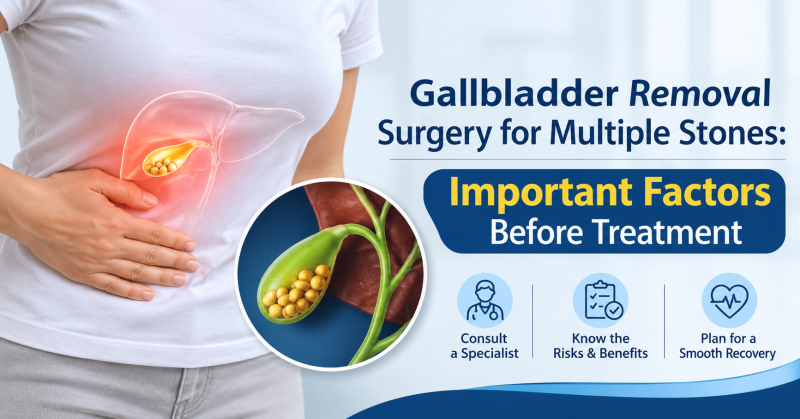
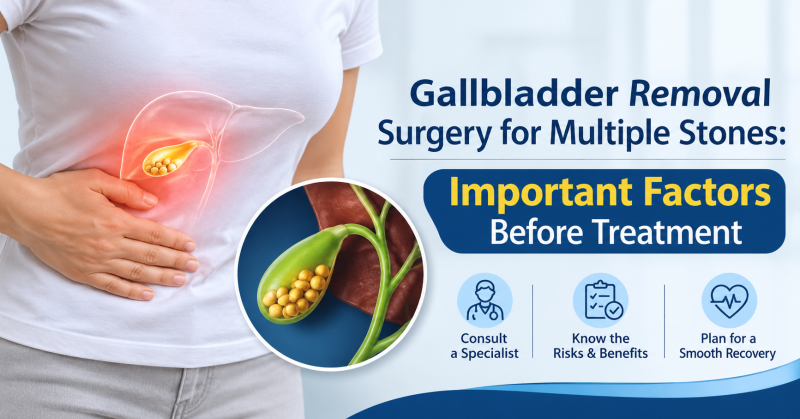
Finding several stones on an ultrasound report is unsettling, especially when the pain comes and goes and you are unsure whether to operate now or wait. Patients searching for the best gallbladder removal surgery in Rajinder Nagar are usually asking a more practical question: which factors actually decide whether I need surgery, and how do I make that decision safely? This guide walks through those factors in plain language, so you can go into your surgical consultation informed and prepared.
Why Multiple Stones Change the Conversation
Gallstones are hardened deposits of cholesterol or bile pigments that form inside the gallbladder, a small organ under the liver that stores bile. Many people carry stones for years without trouble. Multiple small stones, however, can behave differently from one large stone: they can slip out of the gallbladder and lodge in the cystic duct or common bile duct, triggering pain, infection or pancreatitis.
That is why the number, size and behaviour of stones matter less than one thing above all: are they causing symptoms or complications?
Symptoms That Point Towards Treatment
Typical gallstone symptoms include:
- Sudden, steady pain in the upper right or central upper abdomen, often after a fatty meal, lasting from 30 minutes to a few hours (biliary colic)
- Pain spreading to the right shoulder or back
- Nausea, vomiting, bloating and indigestion
Seek urgent medical care if pain lasts more than several hours, or if you develop fever with chills, yellowing of the eyes or skin, dark urine, pale stools, or severe pain with persistent vomiting. These can indicate cholecystitis, a blocked bile duct, cholangitis or gallstone pancreatitis.
Do All Multiple Gallstones Need Surgery?
No. Stones found incidentally in someone with no symptoms are generally monitored rather than removed. Surgery is usually advised when:
- You have recurrent attacks of biliary colic
- You have had acute cholecystitis, pancreatitis or jaundice linked to stones
- Imaging shows a thick-walled, scarred or non-functioning gallbladder
- There are special risk situations, such as a calcified ("porcelain") gallbladder, gallbladder polyps of significant size, or very large stones, which your surgeon will assess individually
Medicines that dissolve stones are slow, work only in selected cholesterol stones, and stones often return after stopping them. For symptomatic gallstones, removing the gallbladder (cholecystectomy) is the standard definitive treatment because it removes the organ that makes the stones.
Tests Done Before Surgery
A careful work-up lowers the risk of surprises on the operating table.
TestWhy it is doneAbdominal ultrasoundFirst-line scan to confirm stones, count them and check gallbladder wall thicknessLiver function tests and amylase/lipaseDetect bile duct blockage, liver irritation or pancreatitisComplete blood countLooks for signs of infectionMRCP (MR cholangiopancreatography)Maps the bile ducts when stones in the duct are suspectedPre-anaesthetic check-upAssesses heart, lungs, diabetes, blood pressure and fitness for anaesthesia
If a stone is found in the common bile duct, it may need to be cleared by ERCP (an endoscopic procedure) before or around the time of gallbladder removal.
Surgical Options Explained
Laparoscopic cholecystectomy (keyhole surgery)
This is the preferred approach for most patients, including those with multiple stones. Through a few small incisions, a camera and fine instruments are used to detach and remove the gallbladder. Benefits include smaller scars, less pain and a quicker return to routine compared with open surgery.
Open or converted surgery
Sometimes the gallbladder is badly inflamed, scarred from earlier infections, or the anatomy is unclear. In such cases the surgeon may switch to an open incision, or choose a modified technique for safety. Conversion is a safety decision, not a failure, and the possibility should be discussed in advance.
Risks to Understand Honestly
Gallbladder removal is one of the most commonly performed abdominal operations and is generally safe in experienced hands, but no surgery is risk-free. Possible complications include:
- Bleeding or infection at the surgical site
- Bile leakage
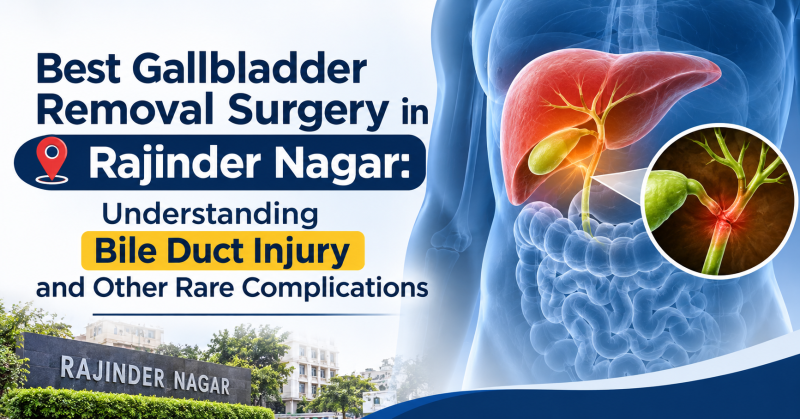
- Injury to the bile duct, which is uncommon but serious and is the main reason surgical technique and experience matter
- Retained stones in the bile duct
- Anaesthesia-related problems, particularly in older patients or those with heart or lung disease
Surgeons reduce bile duct injury risk by clearly identifying the key structures before cutting anything (often called the "critical view of safety") and, when needed, by using imaging of the bile ducts during surgery.
Factors That Matter When Choosing Where and By Whom
People often look for the best gallbladder removal surgery in Delhi based on reputation alone. A more reliable approach is to look at the following:
- Surgeon's experience with laparoscopic biliary surgery and with difficult, inflamed gallbladders
- Hospital infrastructure: ICU backup, imaging, endoscopy (ERCP) and anaesthesia support, which matter if complications arise
- Willingness to explain: a good surgeon discusses alternatives, risks and the option of not operating
- Clarity on costs, stay and follow-up before admission
For patients in Central Delhi, a consultation with Dr. Tarun Mittal, a surgeon with over 20 years of experience, is one option worth considering. He practises at Sir Ganga Ram Hospital, Old Rajendra Nagar, New Delhi – 110060, which is convenient for residents of Rajinder Nagar, Karol Bagh and nearby areas. Those specifically comparing gallbladder removal surgery at Sir Ganga Ram Hospital can use a first consultation to ask about their own stones, imaging findings and whether surgery is truly needed. Bring all previous scans and reports to make that visit more useful.
Recovery After Gallbladder Removal
Recovery varies with the type of surgery and the severity of the underlying disease, but a typical laparoscopic course looks like this:
- Hospital stay: often one night, sometimes same-day discharge in uncomplicated cases
- First week: mild shoulder or abdominal discomfort from the gas used during surgery; light walking is encouraged
- Return to desk work: commonly within about a week, as advised by your surgeon
- Heavy lifting and strenuous exercise: usually resumed after a few weeks, once cleared
Diet need not be extreme. Start with light meals and gradually return to normal food. Some people notice looser stools or fat intolerance for a few weeks because bile now flows continuously into the intestine; this usually settles, though persistent symptoms should be reported. Call your doctor promptly for fever, worsening abdominal pain, repeated vomiting, jaundice or wound discharge.
Conclusion
Multiple gallstones do not automatically mean an operation, but recurring symptoms or complications make gallbladder removal the safest long-term solution. The best outcome comes from accurate diagnosis, proper preparation and a surgeon whose experience and honesty you trust, rather than from a label such as "best" alone. If you are weighing treatment options in Rajinder Nagar or anywhere in Delhi, gather your reports, note your symptom pattern and seek an in-person surgical opinion so the decision fits your health, not a template.
Disclaimer: This article is for general education and does not replace personal medical advice. Please consult a qualified surgeon for diagnosis and treatment.
Frequently Asked Questions
1. Can multiple gallstones go away without surgery?
Small stones occasionally pass on their own, but this carries the risk of blocking a duct on the way out. Stones that cause repeated symptoms usually return or persist, so surgery is generally recommended once symptoms start.
2. Does the number of stones make surgery more difficult?
Not usually. Difficulty depends more on inflammation, scarring, anatomy and prior infections than on how many stones are present. However, many small stones raise the chance of duct migration, so bile ducts are often checked before surgery.
3. Is it safe to live without a gallbladder?
Yes. The liver continues to produce bile, which flows directly into the intestine. Most people eat normally after recovery, though a few have temporary digestive changes.
4. How soon should I operate after a gallstone attack?
This depends on the diagnosis. After an uncomplicated attack, surgery is typically planned electively. In acute cholecystitis or gallstone pancreatitis, timing is individualised, and your surgeon will decide whether to operate early or after the inflammation settles.
5. What should I ask before agreeing to surgery?
Ask why surgery is advised for your specific findings, whether the bile ducts are clear, what the chance of conversion to open surgery is, what the expected hospital stay is, and what follow-up is included.
Source:
Click for the: Full Story
You might like







You Might Like this