


 Close Menu
 World
 Biography
 Health
 Education
 Business
 Lifestyle
 Sports
 Technology
 Animals
 History
 Food
 Religious
 Startups
 Movies
 Politics
 Fashion
 Covid
 Diet
 Fitness
 Marketing
 Travel
 Science
 Reviews
 Social media
 Stories
 Facts
 Art
 Entertainment
soumya hospital

Health
Cancer Hospital in Hyderabad: A Guide to Advanced Cancer Care and Treatment
 soumya hospital
A cancer diagnosis can be a difficult experience for patients and their families. It often brings many questions about treatment, medical care, recovery and choosing the right hospital. During this time, having access to experienced doctors, proper diagnostic facilities and suitable treatment options is important.
When looking for a Cancer Hospital in Hyderabad, patients should understand the available cancer treatments, the experience of specialists and the facilities offered by the hospital. Every cancer case is different, and treatment depends on the type of cancer, its stage and the patient's overall health.
Hyderabad has several hospitals offering cancer care and treatment. Knowing what to look for can help patients and their families make an informed decision. This guide explains the different aspects of cancer care and what patients should consider before choosing a hospital.
How to Choose the Right Cancer Hospital in Hyderabad?
Choosing a cancer hospital is an important decision because cancer treatment may involve several consultations, investigations and medical procedures. Patients should select a hospital that can provide the care and treatment required for their specific condition.
Here are some important factors to consider:
- Experienced Cancer Specialists: Look for qualified surgical and medical oncologists who have experience in treating different types of cancer.
- Diagnostic Facilities: Accurate diagnosis is important for understanding the type and stage of cancer. Check whether the hospital provides access to the required investigations.
- Treatment Options: Understand whether the hospital offers the treatment recommended for your condition, such as surgery, chemotherapy or other specialised treatments.
- Multidisciplinary Medical Team: Cancer treatment may require doctors from different specialties to work together and plan patient care.
- Patient Support: Proper guidance, follow-up consultations and support during treatment are also important.
Patients should feel comfortable discussing their medical condition with doctors and asking questions about treatment options, possible side effects and recovery.
How Is Cancer Diagnosed?
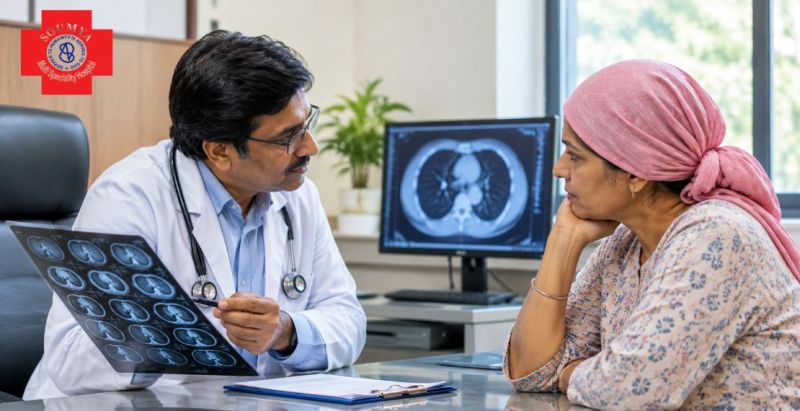
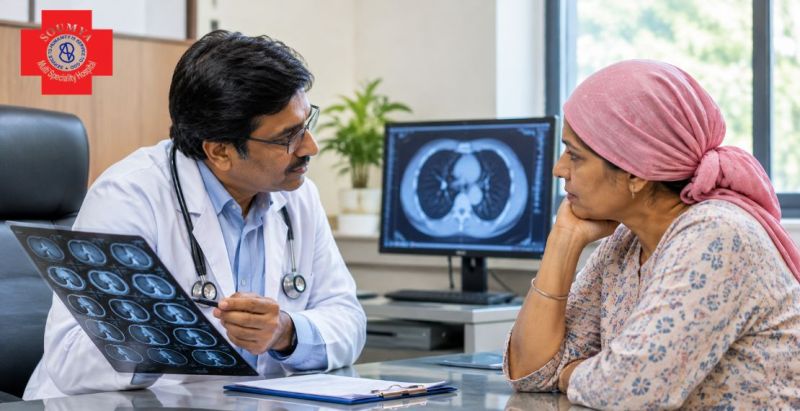
Accurate diagnosis is the first step towards planning cancer treatment. Doctors use medical examinations and different diagnostic tests to identify the disease and understand its stage.
Initial Consultation
During the first consultation, the doctor discusses the patient's symptoms, medical history and previous test reports. A physical examination may also be performed to understand the patient's condition.
Based on the findings, the doctor may recommend additional investigations.
Imaging and Diagnostic Tests
Imaging tests help doctors examine internal organs and identify abnormal growths or changes in the body. Depending on the suspected condition, tests may include ultrasound, CT scan, MRI or other investigations.
Blood tests and laboratory examinations may also be recommended as part of the diagnostic process.
Biopsy and Cancer Staging
A biopsy involves collecting a small tissue sample for examination under a microscope. It helps doctors determine whether cancer cells are present and identify the type of cancer.
After confirmation, doctors may recommend further tests to determine the stage of the disease. Cancer staging helps the medical team understand the size of the tumour and whether it has spread to other parts of the body.
These findings are important for deciding the next steps in treatment.
What Are the Different Cancer Treatment Options?
Cancer treatment depends on several factors, including the type of cancer, its stage, the patient's general health and other medical conditions. Doctors may recommend one treatment or a combination of different approaches.
1. Surgical Oncology
Surgical oncology focuses on treating cancer through surgical procedures. The main aim is to remove cancerous tissue or tumours when surgery is considered suitable.
The type of surgery depends on the location and extent of the cancer. Some patients may require additional treatment after surgery to reduce the risk of recurrence.
Surgical oncologists evaluate each case carefully before recommending a procedure. They also explain the expected benefits, possible risks and recovery process.
2. Medical Oncology
Medical oncology involves treating cancer with medicines. A medical oncologist evaluates the patient's condition and recommends suitable medications based on the diagnosis.
Common medical oncology treatments include:
- Chemotherapy: Uses medicines to destroy cancer cells or control their growth.
- Targeted Therapy: Uses medicines that act on specific changes in cancer cells.
- Immunotherapy: Helps the body's immune system recognise and fight certain cancer cells.
- Stem Cell Transplantation: May be recommended for selected blood cancers and other medical conditions.
Not every patient requires the same treatment. The medical oncologist decides the appropriate approach after reviewing the patient's reports and overall health.
3. Personalised Cancer Treatment
Personalised treatment means planning cancer care according to the individual patient's medical condition.
Doctors may consider biopsy reports, imaging results, cancer stage and molecular test findings before recommending treatment. Depending on the case, treatment may involve surgery, medicines or a combination of different approaches.
Regular medical evaluation also helps doctors monitor the patient's response to treatment and make changes when required.
Why Choose a Multispeciality Hospital in Hyderabad for Cancer Care?
Cancer treatment often requires the involvement of specialists from different medical departments. This is why choosing a Multispeciality Hospital in Hyderabad can be helpful for patients who need coordinated medical care.
Different specialists contribute to different stages of cancer treatment.
- Surgical Oncologists: Evaluate and perform cancer-related surgical procedures.
- Medical Oncologists: Manage cancer treatment using medicines.
- Radiologists: Help doctors understand imaging reports and identify abnormalities.
- Pathologists: Examine tissue samples and laboratory reports.
- Anaesthesiologists: Provide anaesthesia support during surgical procedures.
- Critical Care Specialists: Manage patients who require intensive medical support.
When these specialists work together, they can discuss the patient's condition and plan suitable treatment. This coordinated approach helps ensure that important aspects of diagnosis and care are considered.
A multispeciality hospital can also provide access to different medical departments when patients need additional consultations or support during treatment.
What Facilities Should You Look for in a Cancer Hospital?
Before selecting a hospital, patients should understand the diagnostic and treatment facilities available. The right facilities depend on the type of cancer and the treatment recommended by the doctor.
Advanced Diagnostic Support
Accurate diagnosis helps doctors understand the type and stage of cancer. Services such as histopathology, immunohistochemistry and molecular testing may provide additional information about cancer cells.
Minimally Invasive and Robotic Surgery
For selected patients, doctors may recommend laparoscopic or robotic-assisted surgery. These procedures use specialised instruments and may involve smaller incisions compared with certain traditional surgical approaches.
However, these techniques are not suitable for every patient. The surgeon decides whether they are appropriate after evaluating the medical condition.
Supportive and Emergency Care
Cancer patients may experience symptoms or complications during treatment. Supportive care helps manage pain, discomfort and treatment-related side effects.
Emergency medical support is also important when patients develop complications that require immediate attention.
Cancer Care at Soumya Multi Speciality Hospital, Hyderabad
Soumya Multi Speciality Hospital LLP, located in Karkhana, Secunderabad, provides oncology services along with other speciality healthcare facilities. Its oncology department focuses on medical and surgical cancer care, supported by diagnostic and multidisciplinary services.
The hospital has a team of specialists, including:
- Dr. S. Chandra Sekhar Rao: Founder and Chief Surgical Oncologist.
- Dr. Soumya Simhadri: Surgical and Breast Oncologist.
- Dr. Krishna Chaitanya Puligundla: Medical Oncologist.
The hospital also describes services and facilities such as surgical oncology, medical oncology, robotic-assisted surgery, pathology, radiology and critical care support.
Patients looking for cancer treatment in Hyderabad can consult the oncology team at Soumya Multi Speciality Hospital to discuss their diagnosis and understand the treatment options that may be suitable for their condition.
Conclusion
Choosing the right cancer hospital is an important step in managing a cancer diagnosis. Experienced specialists, accurate diagnosis, appropriate treatment options and coordinated medical care all play an important role in the treatment journey.
Before selecting a hospital, patients should understand the available services, discuss their medical reports with qualified doctors and ask questions about the recommended treatment.
If you are searching for a Cancer Hospital in Hyderabad, Soumya Multi Speciality Hospital offers medical and surgical oncology services supported by different speciality departments. Consulting an experienced cancer specialist can help you understand your condition and make informed decisions about your treatment.
Frequently Asked Questions
1. How do I choose a cancer hospital in Hyderabad?
Look for a hospital with qualified cancer specialists, diagnostic facilities, suitable treatment options and proper follow-up care. Discuss your medical condition with the oncology team before making a decision.
2. What treatments are available for cancer?
Cancer treatment may include surgery, chemotherapy, targeted therapy, immunotherapy and other specialised treatments. The suitable option depends on the type and stage of cancer.
3. Which doctors are involved in cancer treatment?
Cancer treatment may involve surgical oncologists, medical oncologists, radiologists, pathologists, anaesthesiologists and critical care specialists.
4. Is surgery necessary for every cancer patient?
No. Surgery is not required for every cancer patient. Some patients may need medicines or other treatments, while others may require a combination of approaches.
5. Why is a multispeciality hospital important for cancer care?
A multispeciality hospital brings doctors from different medical departments together. This helps coordinate diagnosis, treatment planning, surgical care and other medical support
Source:
Click for the: Full Story
You might like








You Might Like this