Close Menu
 World
 Biography
 Health
 Education
 Business
 Lifestyle
 Sports
 Technology
 Animals
 History
 Food
 Religious
 Startups
 Movies
 Politics
 Fashion
 Covid
 Diet
 Fitness
 Marketing
 Travel
 Science
 Reviews
 Social media
 Stories
 Facts
 Art
 Entertainment
soumya hospital

Health
Best Surgical Oncologist in Hyderabad: A Guide to Cancer Surgery and Treatment
 soumya hospital
Cancer diagnosis can bring many questions and concerns for patients and their families. Understanding the available treatment options is an important first step towards making informed healthcare decisions. Depending on the type and stage of cancer, treatment may involve surgery, chemotherapy, radiation therapy or a combination of different approaches.
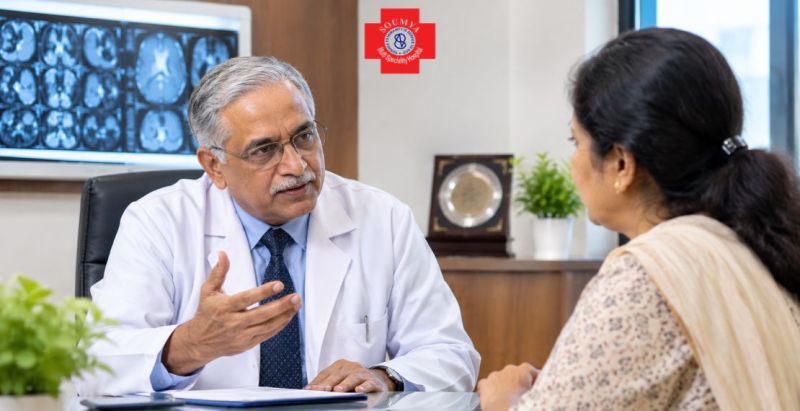
Choosing the right specialist is equally important. Patients should understand the doctor's experience, treatment approach and the facilities available at the hospital. A Surgical Oncologist in Hyderabad can evaluate whether cancer surgery is suitable and explain the possible treatment options based on the patient's medical condition.
This guide explains surgical oncology, common cancer surgeries and how to choose the right specialist.
What Does a Surgical Oncologist Do?
A surgical oncologist is a doctor who specialises in treating cancer through surgical procedures. Their main role is to remove cancerous tumours and affected tissues while protecting as much healthy tissue as possible.
They also work with medical oncologists, radiation oncologists, radiologists and pathologists to plan suitable treatment.
Depending on the type and stage of cancer, a surgical oncologist may recommend surgery alone or combine it with chemotherapy, radiation therapy or other treatments.
When Should You Consult a Surgical Oncologist?
Patients may need to consult a surgical oncologist when cancer is diagnosed or when surgery is being considered as part of treatment.
You may need a consultation in the following situations:
- When a biopsy confirms cancer.
- When imaging tests identify a suspicious tumour.
- When a cancerous growth needs surgical evaluation.
- When your doctor recommends surgery as part of cancer treatment.
- When you need a second opinion about a recommended procedure.
An early consultation can help patients understand their condition and explore suitable treatment approaches.
Types of Cancer Treated by a Surgical Oncologist
Surgical oncologists treat different types of cancer depending on their training and experience. Some common examples include:
Breast Cancer: Surgery may involve removing the tumour while preserving the breast where appropriate, or removing the breast when medically necessary.
Gastrointestinal Cancer: Surgery may be recommended for cancers affecting the stomach, colon, rectum and other digestive organs.
Head and Neck Cancer: Surgical procedures may remove cancerous growths affecting the mouth, throat and related areas.
Gynaecological Cancer: Certain cancers affecting the uterus, ovaries and cervix may require surgical treatment.
Soft Tissue Cancer: Surgery may be used to remove certain tumours affecting muscles, connective tissues and other soft tissues.
The recommended treatment depends on the cancer type, stage and overall health of the patient.
Common Types of Cancer Surgery
Cancer surgery is not the same for every patient. The procedure depends on where the cancer develops and how far it has spread.
Some commonly used surgical approaches include:
- Tumour Removal Surgery: Removing the cancerous growth along with an appropriate margin of surrounding tissue.
- Breast Cancer Surgery: Procedures such as lumpectomy or mastectomy, depending on the patient's condition.
- Minimally Invasive Surgery: Using small incisions and specialised instruments for selected procedures.
- Robotic-Assisted Surgery: Using robotic technology to assist surgeons during certain operations.
- HIPEC: A specialised treatment that may be considered for selected patients with cancer involving the abdominal cavity.
Not every patient is suitable for every procedure. The surgical oncologist evaluates the condition before recommending treatment.
How to Choose the Best Surgical Oncologist in Hyderabad?
Choosing the right specialist requires careful consideration. Patients should look beyond hospital advertisements and focus on medical expertise and treatment facilities.
Here are some important factors to consider:
- Experience and Qualifications: Check the specialist's training and experience in cancer surgery.
- Specialisation: Look for a doctor familiar with the particular type of cancer being treated.
- Treatment Approach: Understand whether the doctor considers different treatment options based on the patient's condition.
- Hospital Facilities: Diagnostic services, operation theatres and post-surgical care are important.
- Patient Communication: A good specialist should explain the diagnosis, treatment options and possible risks clearly.
Taking time to understand these factors can help patients make a more informed choice.
Meet Dr. S. Chandra Sekhar Rao at Soumya Multi Speciality Hospital
For patients looking for a Surgical Oncologist in Hyderabad, Dr. S. Chandra Sekhar Rao is an important specialist to know about.
He is the Co-Founder and Chief Surgical Oncologist at Soumya Multi Speciality Hospital. With over 40 years of experience in cancer surgery, he has been associated with surgical oncology and cancer care.
At Soumya Multi Speciality Hospital, oncology services focus on evaluating cancer conditions and planning treatment according to individual patient needs.
Patients can learn more about his qualifications, professional background and experience through his doctor profile.
Why Consider Soumya Multi Speciality Hospital for Cancer Care?
Soumya Multi Speciality Hospital provides specialised oncology services for patients seeking cancer diagnosis and treatment in Hyderabad.
The hospital offers surgical oncology and medical oncology services, supported by diagnostic and pathology facilities.
Its cancer care approach focuses on understanding each patient's medical condition and discussing suitable treatment options. Patients can also receive guidance about surgery, additional treatment and follow-up care.
To understand the available services, visit the Oncology Department at Soumya Multi Speciality Hospital.
What Should You Expect Before and After Cancer Surgery?
Before surgery, patients usually undergo medical examinations, imaging tests and other investigations to understand the cancer's stage and overall health condition.
The surgical team explains the procedure, expected benefits, possible risks and recovery requirements.
After surgery, recovery depends on the type of operation and the patient's health. Follow-up appointments help doctors monitor healing and decide whether additional treatment is required.
Patients should follow medical advice, attend scheduled appointments and report any unusual symptoms to their healthcare team.
Conclusion
Choosing the right Surgical Oncologist in Hyderabad is an important part of making informed cancer treatment decisions. Understanding the available surgical options, the doctor's experience and the hospital's facilities can help patients feel more prepared throughout their treatment journey.
Dr. S. Chandra Sekhar Rao and the oncology team at Soumya Multi Speciality Hospital provide specialised cancer care with a focus on individual patient needs. Consulting a qualified specialist can help patients understand their condition and explore appropriate treatment options.
Frequently Asked Questions
1. What does a surgical oncologist do?
A surgical oncologist specialises in treating cancer through surgical procedures, including removing tumours and affected tissues.
2. When should I consult a surgical oncologist?
You should consider consulting one when cancer is diagnosed, surgery is recommended or you need an expert opinion about surgical treatment.
3. What types of cancer can a surgical oncologist treat?
Depending on their specialisation, surgical oncologists may treat breast, gastrointestinal, head and neck, gynaecological and soft tissue cancers.
4. How do I choose the best surgical oncologist in Hyderabad?
Consider the doctor's qualifications, cancer surgery experience, specialisation, hospital facilities and ability to explain treatment options.
Source:
Click for the: Full Story
You might like