Close Menu
 World
World
 Biography
 Health
 Education
 Business
 Lifestyle
 Sports
 Technology
 Animals
 History
 Food
Food
 Religious
 Startups
 Movies
 Politics
 Fashion
 Covid
Covid
 Diet
Diet
 Fitness
 Marketing
 Travel
 Science
 Reviews
 Social media
 Stories
 Facts
Facts
 Art
Art
 Entertainment
Rajan

Health
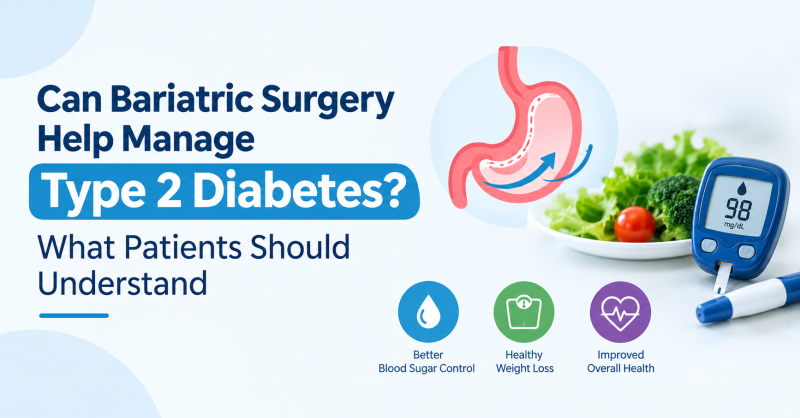
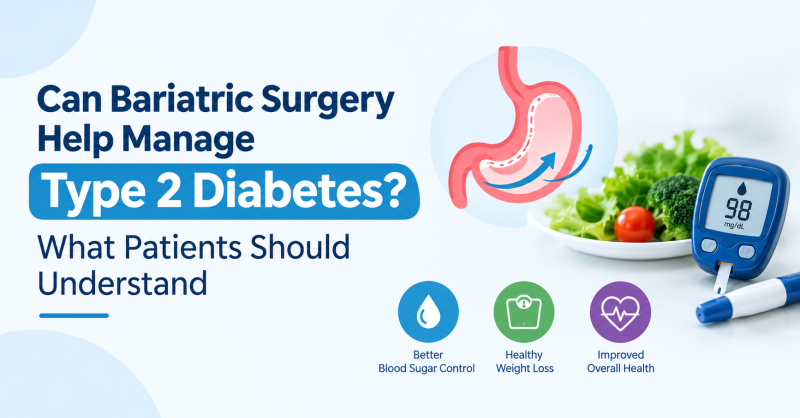
Can Bariatric Surgery Help Manage Type 2 Diabetes? What Patients Should Understand
 Rajan
Rajan
Living with type 2 diabetes often means daily medication, regular monitoring and a constant worry about complications. For people who also live with obesity, a question comes up again and again: can bariatric surgery help? Research over the past two decades says it can, often dramatically, though it is not a guaranteed cure. This guide explains how the surgery works, who benefits most, what the risks are, and what to look for when searching for the best bariatric surgeon in Delhi.
How Is Type 2 Diabetes Linked to Obesity?
In type 2 diabetes, the body becomes resistant to insulin, and over time the pancreas may struggle to produce enough of it. Excess body fat, especially around the abdomen and liver, is a major driver of this resistance.
This matters for Indians in particular. South Asians tend to develop diabetes at lower body weights and younger ages than people of other ethnic backgrounds, largely because of higher visceral fat. That is why weight management is central to diabetes care in India.
Can Bariatric Surgery Improve or Reverse Diabetes?
Many patients see their blood sugar improve dramatically after surgery, and some go into remission. Remission usually means blood sugar stays below the diabetic range (HbA1c under 6.5%) for at least three months without diabetes medication.
Clinical studies have found that a significant share of patients, particularly after gastric bypass, achieve remission. Results are generally better with bypass procedures than with sleeve gastrectomy, though both can work well.
Doctors often prefer the term “metabolic surgery” for this reason. The operation does more than reduce stomach size. It changes how the body handles sugar.
Why Does Blood Sugar Improve So Quickly?
Blood sugar often improves within days, before significant weight loss occurs. Several mechanisms are thought to contribute:
- Reduced food intake: a smaller stomach limits calories immediately.
- Hormonal changes: gut hormones such as GLP-1 rise after surgery, boosting insulin release and reducing appetite.
- Less liver and abdominal fat: this improves insulin sensitivity.
- Weight loss over time: sustained fat loss further reduces insulin resistance.
Who Benefits Most?
Surgery does not work equally well for everyone. Remission is more likely when:
- Diabetes has been present for a shorter time (generally under 5 to 8 years)
- The pancreas still produces reasonable insulin
- The patient is not on high-dose insulin
- Blood sugar control before surgery is relatively good
- The patient is younger
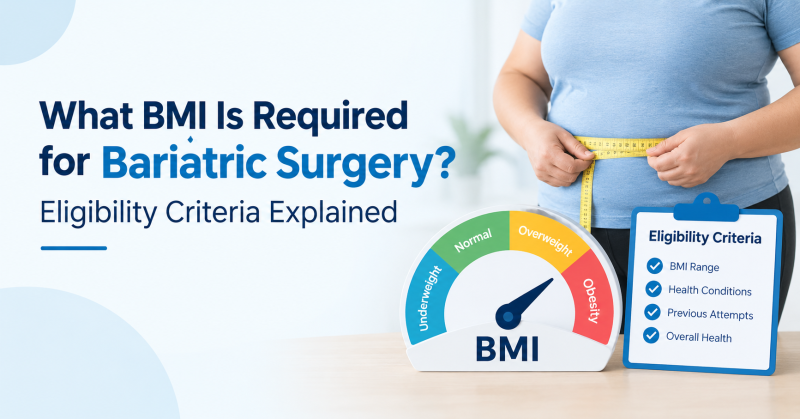
Guidelines from diabetes and surgical societies support considering surgery for people with type 2 diabetes and a BMI of 30 or above (27.5 or above for many Asians) when blood sugar is difficult to control with medications and lifestyle changes. An endocrinologist and bariatric surgeon should assess each case together.
Common Procedures for Diabetes Management
- Roux-en-Y gastric bypass: reduces the stomach and reroutes the intestine; strong evidence for diabetes remission.
- Sleeve gastrectomy: removes a large part of the stomach; effective and technically simpler.
- Mini gastric bypass (OAGB): a single-connection bypass that is increasingly used.
The choice depends on your BMI, diabetes duration, medication use, reflux history and personal preferences.
What Patients Should Understand Before Choosing Surgery
Remission Is Not Always Permanent
Diabetes can return in some patients, especially if weight is regained. Even in remission, people must continue regular HbA1c checks, since the underlying tendency toward diabetes remains.
Surgery Is Not Risk-Free
Possible complications include bleeding, infection, leaks, acid reflux, gallstones and nutritional deficiencies such as low iron, B12, calcium and vitamin D. Lifelong supplements and periodic blood tests are usually necessary after bypass procedures.
Lifestyle Still Matters
Surgery is a powerful tool, but long-term success depends on a protein-rich diet, portion control, regular activity and consistent follow-up.
Medications May Change Quickly
Because blood sugar can fall rapidly, insulin and other diabetes medicines often need to be reduced soon after surgery. This must be managed by your medical team, never self-adjusted.
Choosing the Right Surgeon and Team
For a patient with diabetes, the surgeon’s experience in metabolic surgery and the strength of the supporting team are especially important. When comparing options, consider:
- Formal training in laparoscopic, bariatric or robotic surgery
- A track record with diabetic patients, including those on insulin
- Hospital facilities such as ICU backup and experienced anaesthesia
- Access to endocrinologists, dietitians and counsellors
- A clear long-term follow-up plan
For example, Dr. Tarun Mittal, a bariatric surgeon in Central Delhi, practises at Sir Ganga Ram Hospital and is trained in laparoscopic, bariatric and robotic surgery. The hospital is located at Old Rajinder Nagar, New Delhi, 110060. Whichever surgeon you consult, ask about outcomes in diabetic patients, discuss realistic expectations, and consider a second opinion.
Conclusion
For many people with obesity and type 2 diabetes, bariatric surgery can improve blood sugar control, reduce medication needs and sometimes lead to remission. It works best when diabetes is caught earlier, and it requires lifelong follow-up and healthy habits. If you are considering this path, a detailed evaluation by an experienced team will help you decide whether surgery is appropriate. Choosing the best bariatric surgeon in Delhi for your situation means weighing training, experience and long-term support, not just reputation.
This article is for educational purposes and does not replace professional medical advice. Consult your doctor for personalised guidance.
Frequently Asked Questions
1. Can bariatric surgery cure type 2 diabetes?Surgery can put diabetes into remission for many people, but “cure” is not the right word. Blood sugar can rise again over time, so regular monitoring remains essential.
2. Will I stop taking diabetes medicines after surgery?Many patients reduce or stop medication within days to weeks, especially after bypass surgery. The decision should be made by your doctors based on your blood sugar readings.
3. Can I have bariatric surgery if my BMI is below 35?Yes, in some cases. For Asians with type 2 diabetes, guidelines allow surgery to be considered at lower BMI levels, generally 27.5 or above, after a specialist evaluation.
4. Which surgery is best for diabetes?Gastric bypass procedures generally show higher remission rates, but sleeve gastrectomy is also effective. The best choice depends on your individual health profile.
5. How do I find the best bariatric surgeon in Central Delhi for diabetes?Look for specialised training, a large volume of bariatric cases, a multidisciplinary team and structured follow-up. Meeting more than one surgeon helps you compare approaches.
Source:
Click for the: Full Story
You might like