Close Menu
 World
World
 Biography
 Health
 Education
 Business
 Lifestyle
 Sports
 Technology
 Animals
 History
 Food
Food
 Religious
 Startups
 Movies
 Politics
 Fashion
 Covid
Covid
 Diet
Diet
 Fitness
 Marketing
 Travel
 Science
 Reviews
 Social media
 Stories
 Facts
Facts
 Art
Art
 Entertainment
Deepak

Health
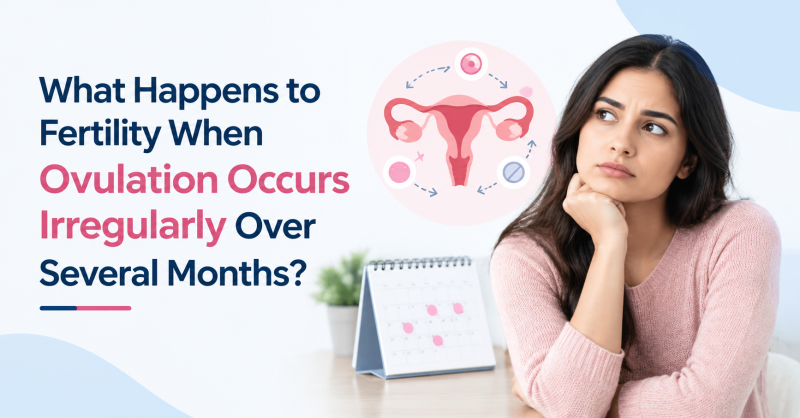
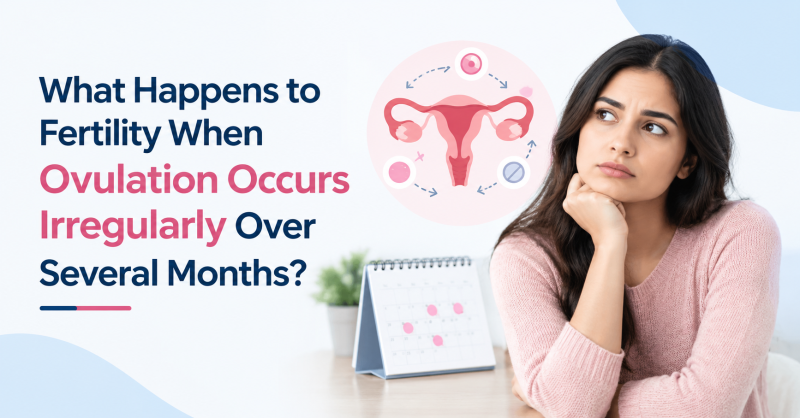
What Happens to Fertility When Ovulation Occurs Irregularly Over Several Months?
 Deepak
Many women notice that their cycles feel unpredictable. One month the period arrives on time, the next it is two weeks late, and a few months later it skips altogether. If you are trying to conceive, this pattern can be worrying.
Irregular ovulation is common, and it is often treatable. Understanding what it does to fertility can help you decide when to wait and when to seek advice. Many women with this pattern look for the Best female fertility in Delhi care so they can get clear answers early.
What Is Irregular Ovulation?
Ovulation is the release of a mature egg from the ovary, usually around the middle of a regular cycle. In irregular ovulation, the egg is released late, unpredictably, or not at all in some cycles.
Doctors use two terms:
- Oligo-ovulation: ovulation happens, but infrequently.
- Anovulation: ovulation does not happen in a given cycle.
Both can lead to cycles that are shorter, longer, or missing. Some women still bleed regularly without ovulating, so a regular-looking period does not always confirm that an egg was released.
How Does Irregular Ovulation Affect Fertility?
Pregnancy can only happen when an egg is released and meets a sperm during the fertile window. If ovulation is irregular, that window is harder to predict, and some cycles have no fertile window at all.
Over several months, this can mean:
- Fewer chances to conceive. A woman who ovulates only a few times a year has fewer opportunities than someone who ovulates monthly.
- Difficulty timing intercourse. Calendar-based tracking becomes unreliable when cycle length keeps changing.
- Longer time to conceive. Pregnancy is still possible, but it may take longer than expected.
Irregular ovulation does not mean you cannot get pregnant. It means the process may need more attention. Many women conceive naturally, while others need medical support.
Common Reasons Ovulation Becomes Irregular
Irregular ovulation is usually a sign that something is influencing the body’s hormonal signals. Possible causes include:
- Polycystic ovary syndrome (PCOS): one of the most common causes of irregular ovulation.
- Thyroid disorders: both an underactive and an overactive thyroid can disturb cycles.
- High prolactin levels: this hormone can suppress ovulation.
- Significant weight change or very low body weight: this can alter hormone balance.
- Chronic stress or intense exercise: these may temporarily affect the brain signals that trigger ovulation.
- Reduced ovarian reserve or perimenopause: cycles can become irregular as egg numbers decline.
- Recent hormonal contraception or breastfeeding: cycles may take time to settle.
An occasional irregular month is usually not a concern. Several months of unpredictability deserve a closer look.
Signs You May Not Be Ovulating Regularly
Look out for patterns such as:
- Cycles shorter than 21 days or longer than 35 days
- Fewer than nine periods in a year
- Very unpredictable cycle lengths
- Absence of periods for three months or more
- No change in cervical mucus around mid-cycle
- Acne, excess facial or body hair, or unexplained weight gain, which can accompany hormonal conditions
These signs do not diagnose a condition on their own. They are reasons to speak to a doctor.
When Should You See a Gynaecologist?
Consider a consultation if:
- Your periods have been irregular or absent for three months or more
- You are under 35 and have been trying to conceive for a year without success
- You are 35 or older and have been trying for six months
- You have symptoms such as pelvic pain, very heavy bleeding, or signs of hormonal imbalance
- You know you have PCOS, thyroid issues, or endometriosis and want to conceive
Seeing the Best Gynaecologist in Delhi for your situation does not mean immediate treatment. Often it begins with a conversation, a physical examination, and a few simple tests.
How Is Irregular Ovulation Evaluated?
A fertility-focused gynaecologist usually starts with your menstrual history, medical background, and lifestyle. Common investigations include:
- Blood tests for thyroid function, prolactin, and reproductive hormones
- Ultrasound to look at the ovaries and uterus, and to track follicle growth
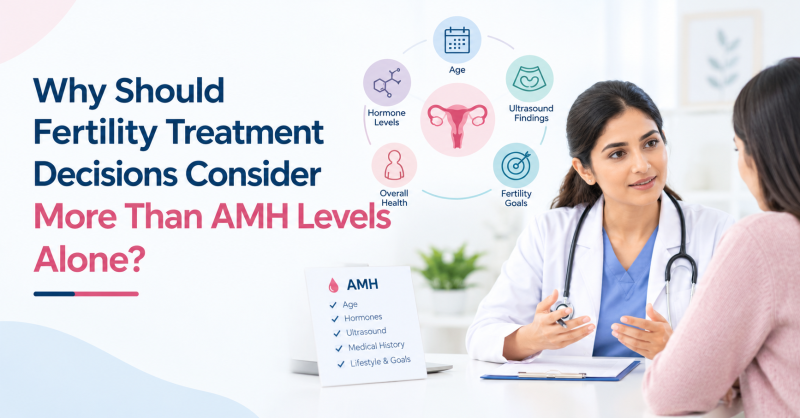
- Ovarian reserve assessment, such as AMH testing, when appropriate
- Ovulation confirmation tests, such as mid-luteal progesterone
- Basic checks of the fallopian tubes and the partner’s semen analysis, since fertility involves both partners
The aim is to find out why ovulation is irregular and whether other factors are also involved.
What Can Help?
Treatment depends on the cause, age, and how long you have been trying. Options may include:
- Lifestyle support: balanced nutrition, healthy weight, regular activity, and better sleep can improve ovulation in many women, particularly with PCOS.
- Treating underlying conditions: managing thyroid or prolactin problems can bring cycles back on track.
- Ovulation induction: medicines prescribed under medical supervision to encourage the ovary to release an egg, with ultrasound monitoring.
- Assisted treatments: such as IUI or IVF, considered when other factors are present or simpler steps have not worked.
Responses vary from woman to woman, and no doctor can promise a particular outcome. A personalised plan is more reliable than general advice or self-medication.
Why Timely Guidance Matters
Waiting can sometimes be reasonable, but long gaps without ovulation may hide a treatable condition. Early evaluation can also protect overall health. For example, prolonged absence of ovulation in conditions like PCOS can affect the uterine lining and long-term metabolic health.
Access to experienced Female fertility in Delhi care means your cycle pattern is read in context: your age, hormones, ovarian health, and your partner’s health. Dr. Poonam Goyal, a gynecologist and fertility specialist, evaluates these factors together so that treatment is based on your own findings rather than assumptions.
Practical Tips While You Wait for Your Appointment
- Track your periods for a few months and note the dates.
- Record symptoms such as acne, hair changes, pain, or breast discharge.
- Bring previous reports, including thyroid and ultrasound results.
- Avoid crash diets or extreme exercise.
- Do not rely on ovulation apps alone if your cycles are irregular.
Final Thoughts
Irregular ovulation over several months can reduce the chances of conceiving each cycle, but it is a common and often manageable cause of delayed pregnancy. The key is to understand the reason behind it. If your cycles have become unpredictable and you are planning a pregnancy, a timely evaluation can bring clarity and direction.
If you want consultation regarding irregular ovulation or fertility concerns, you can visit Dr Poonam Goyal at:
- C-3/63A, 64A, opp. Gokulpuri police station, Block C, Panchsheel Hospital, Yamuna Vihar, Shahdara, Delhi, 110053
- HOD IVF & Infertility, Max Superspeciality Hospital, Vaishali
Frequently Asked Questions
1. Can I get pregnant if I ovulate irregularly?
Yes. Ovulation still happens in some cycles, so natural pregnancy is possible. However, it may take longer, and many women benefit from tracking, evaluation, or treatment.
2. How many months of irregular periods is too many before seeing a doctor?
If your periods have been irregular or missing for about three months, or if you are trying to conceive and cycles are unpredictable, it is sensible to consult a gynaecologist.
3. Does irregular ovulation always mean PCOS?
No. PCOS is a common cause, but thyroid disorders, high prolactin, stress, weight changes, and declining ovarian reserve can also be responsible. Testing helps identify the cause.
4. Can I have regular periods and still not ovulate?
Yes, though it is less common. Some women bleed on a predictable schedule without releasing an egg, which is why ovulation is sometimes confirmed through blood tests or ultrasound.
5. Can irregular ovulation be corrected?
In many cases, yes. Treating the underlying cause, lifestyle changes, or supervised ovulation-inducing medicines can help restore ovulation. The right approach depends on your individual assessment.
Source:
Click for the: Full Story
You might like