Close Menu
 World
World
 Biography
 Health
 Education
 Business
 Lifestyle
 Sports
 Technology
 Animals
 History
 Food
Food
 Religious
 Startups
 Movies
 Politics
 Fashion
 Covid
Covid
 Diet
Diet
 Fitness
 Marketing
 Travel
 Science
 Reviews
 Social media
 Stories
 Facts
Facts
 Art
Art
 Entertainment
Deepak

Health
Can Fallopian Tube Health Affect IUI Treatment?
 Deepak
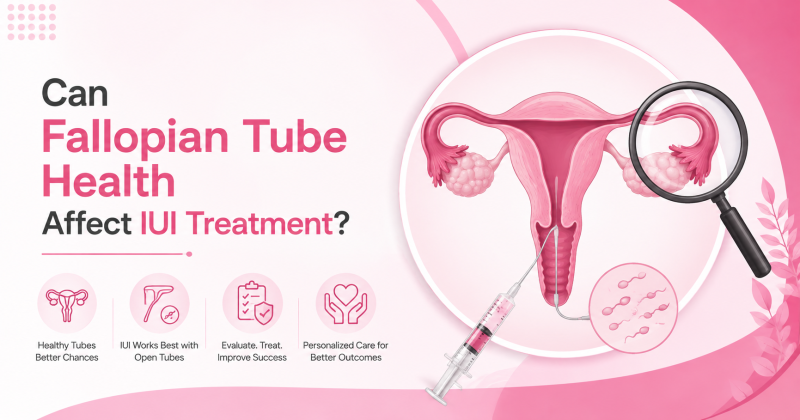
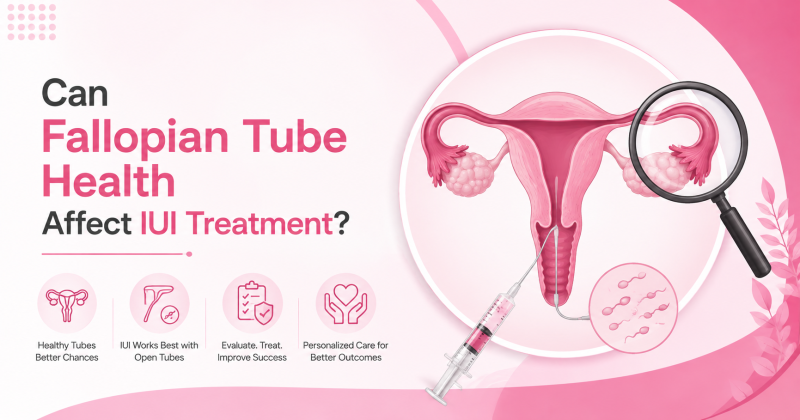
Intrauterine insemination (IUI) is one of the most commonly recommended first-line fertility treatments, largely because it's less invasive and more affordable than procedures like IVF. But IUI isn't suitable for everyone, and one factor that plays a central role in whether it's the right choice is the health of the fallopian tubes.
If you're exploring IUI treatment in Delhi, understanding how tubal health affects the procedure can help you have a more informed conversation with your fertility specialist.
What Is IUI and How Does It Work?
IUI involves placing specially prepared sperm directly into the uterus around the time of ovulation. This shortens the distance sperm needs to travel and increases the concentration of healthy sperm near the egg.
However, IUI does not bypass the fallopian tubes. After insemination, fertilisation still needs to occur naturally inside the fallopian tube, and the fertilised egg must then travel to the uterus for implantation. This is precisely why tubal health matters so much for this particular treatment.
Why Fallopian Tubes Are Central to IUI Success
Unlike IVF, where fertilisation happens outside the body in a lab, IUI relies entirely on the body's natural reproductive process after insemination. This means:
- At least one fallopian tube must be open and functioning
- The tube must be able to pick up the egg after ovulation
- Sperm must be able to travel through the tube to meet the egg
- The fertilised embryo must be able to move through the tube into the uterus
If the tubes are blocked, scarred, or damaged, this natural journey is interrupted, and IUI is unlikely to succeed, regardless of sperm quality or ovulation timing.
Common Fallopian Tube Issues That Affect IUI
1. Tubal Blockage
Blockages can occur due to previous infections (such as pelvic inflammatory disease), sexually transmitted infections, endometriosis, or scar tissue from past surgery. A blocked tube on one side may still allow IUI to work if the other tube is healthy, but bilateral blockage rules out IUI entirely.
2. Hydrosalpinx
This condition occurs when a fallopian tube becomes filled with fluid, usually due to a previous infection or blockage. Hydrosalpinx doesn't just prevent egg transport, the fluid can also leak into the uterus and interfere with embryo implantation, making both IUI and even IVF less likely to succeed until treated.
3. Tubal Scarring or Adhesions
Scar tissue from surgery, endometriosis, or infection can distort the shape of the tube or cause partial obstructions, making egg or sperm passage difficult even if the tube isn't fully blocked.
4. Ectopic Pregnancy History
A previous ectopic pregnancy can sometimes indicate underlying tubal damage, which may affect how a specialist evaluates candidacy for IUI.
How Is Tubal Health Evaluated Before IUI?
Before recommending IUI, a fertility specialist will typically assess tubal patency (whether the tubes are open) using one or more of the following:
- Hysterosalpingography (HSG): An X-ray procedure using contrast dye to check whether the tubes are open
- Sonohysterography (Saline Sonogram): An ultrasound-based method to evaluate the uterine cavity and, in some cases, tubal patency
- Laparoscopy: A minimally invasive surgical procedure used when more detailed evaluation is needed, especially if endometriosis or adhesions are suspected
These tests help determine whether IUI is a viable option or whether an alternative treatment path, such as IVF, may be more appropriate.
Signs That May Prompt a Tubal Health Check
Women considering IUI may be advised to undergo tubal evaluation if they have:
- A history of pelvic infections or sexually transmitted infections
- Previous abdominal or pelvic surgery
- A known or suspected diagnosis of endometriosis
- Unexplained infertility despite normal ovulation and semen analysis
- A previous ectopic pregnancy
What Happens If the Tubes Are Blocked?
If testing reveals blocked or severely damaged tubes, IUI is generally not recommended, since the treatment depends on natural fertilisation within the tube. In such cases, a specialist may suggest:
- IVF, which bypasses the fallopian tubes entirely by fertilising the egg outside the body
- Surgical correction, in select cases where the blockage or hydrosalpinx can be treated, sometimes restoring the possibility of natural conception or improving IVF outcomes
- Further diagnostic evaluation to understand the extent and cause of tubal damage
The right path depends on the individual's specific findings, age, and overall fertility profile, which is why a proper diagnostic workup matters before committing to any treatment.
Choosing the Right Centre for IUI
Because IUI's success depends heavily on accurate diagnosis and correct patient selection, it's worth choosing a centre that takes tubal evaluation seriously rather than proceeding directly to treatment. When looking for a best IUI centre in Delhi, consider:
- Whether comprehensive diagnostic testing is offered before treatment begins
- The clarity with which your specialist explains your specific fertility factors
- Access to both IUI and IVF, so treatment can be adjusted if tubal issues are found
- Transparent communication about realistic expectations, rather than guaranteed outcomes
For women in East Delhi, a best IUI doctor in Yamuna Vihar, Delhi, offering thorough pre-treatment evaluation can make a meaningful difference in ensuring the right treatment is chosen from the start, rather than attempting IUI without confirming tubal health first.
Final Thoughts
Fallopian tube health is one of the most important, and sometimes overlooked, factors in determining whether IUI is the right treatment. Since IUI relies on natural fertilisation and embryo transport, even one healthy, open tube can make a meaningful difference to treatment planning.
If you're considering IUI, a thorough evaluation, including tubal assessment, is a worthwhile first step. Dr. Poonam Goyal emphasises accurate diagnosis before treatment, helping patients understand their specific fertility profile so that the chosen approach, whether IUI, surgical intervention, or IVF, is suited to their individual situation.
Frequently Asked Questions
1. Can IUI work if only one fallopian tube is open?
Yes, in many cases IUI can still be attempted if at least one tube is healthy and functioning, since ovulation typically alternates between ovaries and only one open tube is needed for that cycle.
2. Is a tubal test necessary before every IUI cycle?
It's generally recommended before starting IUI for the first time, particularly if there's a history of infection, surgery, or unexplained infertility, so that treatment isn't attempted without a reasonable chance of success.
3. What is hydrosalpinx, and why does it affect IUI?
Hydrosalpinx is fluid buildup in a fallopian tube, often due to past infection or blockage. It can prevent egg transport and may allow fluid to enter the uterus, interfering with implantation.
4. If my tubes are blocked, does that mean I can never conceive?
Not necessarily. While blocked tubes usually rule out IUI, IVF bypasses the tubes entirely and may still be an effective option, depending on individual circumstances.
5. How long does tubal evaluation take before starting IUI?
Tests like HSG are usually done early in the menstrual cycle and take a short time to complete, though results and further planning may take a few days depending on the clinic's protocol.
Source:
Click for the: Full Story
You might like