Close Menu
 World
 Biography
 Health
 Education
 Business
 Lifestyle
 Sports
 Technology
 Animals
 History
 Food
 Religious
 Startups
 Movies
 Politics
 Fashion
 Covid
 Diet
 Fitness
 Marketing
 Travel
 Science
 Reviews
 Social media
 Stories
 Facts
 Art
 Entertainment
Rimsha Ceo

Health
Children's Dental Care: Building Healthy Smiles for Life
 Rimsha Ceo
Healthy teeth play an important role in a child's overall development. From learning to speak clearly to enjoying a variety of nutritious foods, good oral health supports many aspects of everyday life. Establishing healthy dental habits early can also help children develop a positive attitude toward oral hygiene as they grow. Children's dental care is not simply about keeping teeth clean; it involves prevention, education, regular dental visits, and addressing oral health concerns before they become more complicated.
Parents and caregivers play a central role in helping children maintain healthy smiles. With consistent routines and age-appropriate dental guidance, families can create a strong foundation for lifelong oral health.
Why Children's Dental Care Matters
Baby teeth may eventually fall out, but they serve several important purposes. They help children chew comfortably, support speech development, and maintain the necessary space for permanent teeth to emerge properly. Losing a baby tooth too early because of decay or injury can sometimes affect the positioning of developing adult teeth.
Neglecting oral hygiene during childhood can lead to cavities, toothaches, gum inflammation, and difficulties eating. Dental discomfort may also affect sleep, concentration, and participation in everyday activities.
Consistent children's dental care helps identify potential problems early and encourages children to understand that looking after their teeth is a normal part of staying healthy.
Establishing Healthy Oral Hygiene Habits Early
Good dental routines should begin before a child's first tooth appears. Parents can gently clean an infant's gums with a soft, damp cloth after feeding. Once the first tooth emerges, brushing should become part of the daily routine.
Brushing and Flossing Techniques
Children should brush twice daily using a soft-bristled toothbrush and fluoride toothpaste appropriate for their age. Parents should supervise brushing to ensure that every tooth surface receives attention.
A small amount of toothpaste is sufficient for young children. A rice-sized smear is generally recommended for children under three, while children aged three to six can use a pea-sized amount. They should be encouraged to spit out toothpaste rather than swallow it.
Flossing becomes important when two teeth touch because a toothbrush cannot effectively clean the spaces between them. Parents may need to help younger children floss until they develop the coordination to do it independently.
Making Dental Hygiene Enjoyable
Children are more likely to maintain healthy habits when brushing feels enjoyable rather than like a daily chore. Parents can introduce colorful toothbrushes, songs, brushing charts, or simple reward systems to make oral hygiene engaging.
Demonstrating proper brushing techniques can also encourage children to follow the same routine.
Understanding Nutrition and Its Impact on Children's Teeth
Diet has a significant influence on dental health. Frequent consumption of sugary snacks and drinks can increase the risk of tooth decay because oral bacteria use sugars to produce acids that weaken tooth enamel.
Parents can support healthier teeth by offering balanced meals and nutritious snacks. Fresh vegetables, fruits, cheese, plain yogurt, and other nutrient-rich foods can contribute to a balanced diet.
Water is generally a better everyday beverage choice than sugary juices, soft drinks, or sweetened beverages. Limiting frequent snacking also gives teeth more opportunities to recover between meals.
Parents should pay attention to hidden sugars in packaged foods, flavored drinks, and snacks marketed specifically for children. Reading food labels can help families make more informed choices.
The Importance of Regular Pediatric Dental Visits
Professional dental examinations are an essential part of maintaining children's oral health. The American Academy of Pediatric Dentistry recommends establishing a dental home by the child's first birthday or within six months after the first tooth appears.
Regular visits allow dental professionals to monitor tooth development, evaluate gum health, identify early signs of cavities, and provide guidance tailored to a child's needs.
Preventive treatments may also be recommended depending on the child's age and individual risk factors.
Preventive Treatments That Support Healthy Smiles
Some children may benefit from professional fluoride treatments, which help strengthen tooth enamel and reduce the risk of cavities. Dental sealants may also be recommended to protect the grooves of back teeth where food particles and bacteria can collect.
These preventive options are particularly useful when combined with consistent brushing, flossing, and healthy dietary habits.
Helping Children Feel Comfortable at the Dentist
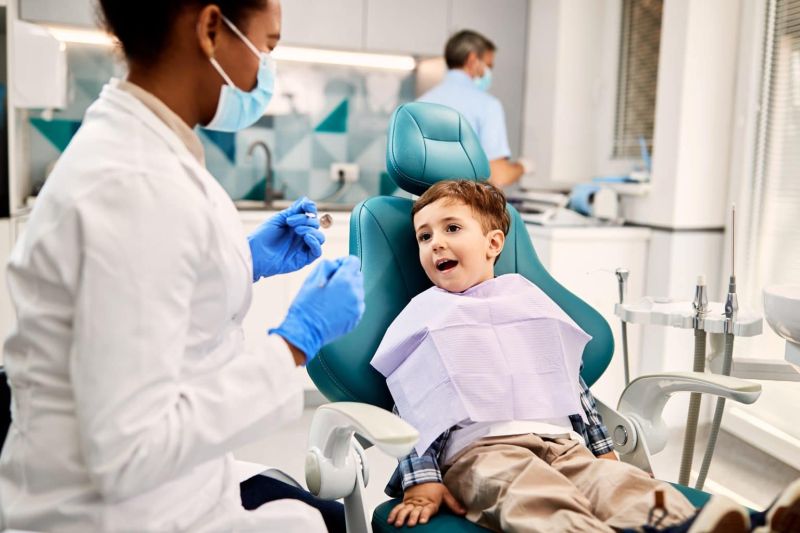
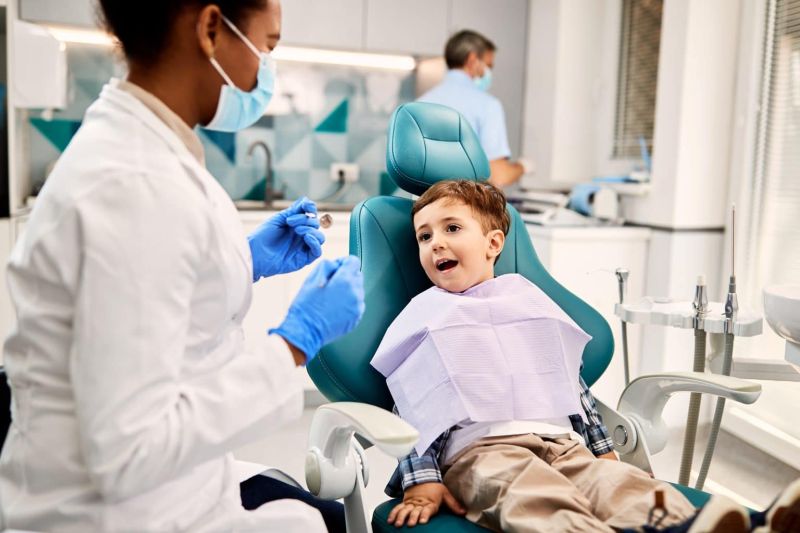
Dental anxiety can make appointments challenging, especially for children experiencing their first dental examination. A supportive and patient approach can make these visits more comfortable.
Parents can prepare children by explaining what will happen using simple, positive language. Reading children's books about dental visits or playing pretend dentist at home can also help reduce uncertainty.
Choosing a dental practice that understands children's emotional and developmental needs can make a meaningful difference.
For families looking for guidance on age-appropriate dental services, Woodbridge Dental Arts provides information about its children's dental care services and the importance of maintaining healthy smiles during childhood.
Recognizing Common Childhood Dental Problems
Understanding common dental concerns helps parents know when professional attention may be necessary.
Some issues to watch for include:
- Tooth decay: White spots, dark areas, sensitivity, or visible cavities may indicate developing decay.
- Gum inflammation: Redness, swelling, or bleeding during brushing can signal irritation or gum problems.
- Tooth sensitivity: Discomfort when eating cold, hot, or sweet foods may require dental evaluation.
- Dental injuries: Chipped, cracked, or displaced teeth should be assessed promptly by a dental professional.
Parents should not ignore persistent tooth pain or changes in a child's eating habits. Early assessment can help prevent minor concerns from becoming more serious.
Building a Lifetime of Healthy Smiles
Strong oral health habits developed during childhood can influence dental wellness throughout adulthood. Regular brushing, flossing, balanced nutrition, preventive dental visits, and positive parental encouragement all contribute to healthier teeth and gums.
Children's dental care works best when prevention and professional guidance become consistent parts of a child's routine. By making oral hygiene a priority from an early age, parents can help children build confidence, protect their developing teeth, and enjoy healthier smiles for years to come.
Source:
Click for the: Full Story
You might like