Close Menu
 World
World
 Biography
 Health
 Education
 Business
 Lifestyle
 Sports
 Technology
 Animals
 History
 Food
Food
 Religious
 Startups
 Movies
 Politics
 Fashion
 Covid
Covid
 Diet
Diet
 Fitness
 Marketing
 Travel
 Science
 Reviews
 Social media
 Stories
 Facts
Facts
 Art
Art
 Entertainment
Rajan

Health
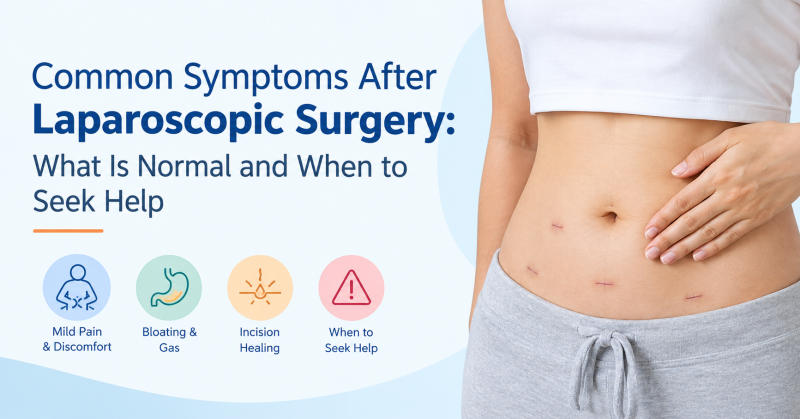
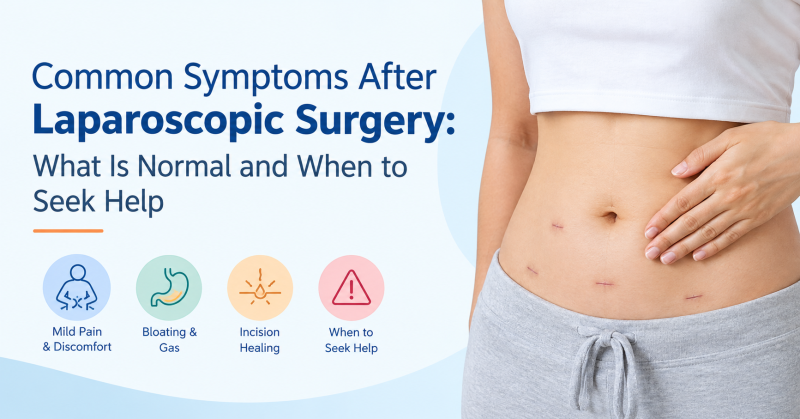
Common Symptoms After Laparoscopic Surgery: What Is Normal and When to Seek Help
 Rajan
Rajan
Laparoscopic, or “keyhole,” surgery uses tiny incisions and a camera, so recovery is usually faster and less painful than after open surgery. Even so, your body has still been through an operation, and it’s normal to feel some unfamiliar sensations in the first days and weeks.
The hard part is knowing which symptoms are part of healing and which need a doctor’s attention. Many patients in Delhi NCR who search for the best laparoscopic surgeon in Sir Ganga Ram Hospital are also looking for reassurance about recovery. This guide explains what to expect, what to watch for, and how to recover well.
Symptoms That Are Usually Normal
1. Pain or soreness around the incisions
Mild to moderate pain at the small cuts is expected for several days. It should improve steadily and respond to the pain relief your surgeon prescribed.
2. Shoulder-tip pain
This surprises many people. During surgery, carbon dioxide gas is used to inflate the abdomen so the surgeon can see clearly. Some of this gas can irritate the diaphragm, and the discomfort is felt in the shoulder. It typically fades within 24 to 72 hours. Walking gently and changing position can help.
3. Bloating and gas
A swollen, gassy abdomen is common because of residual gas and slower bowel activity after anaesthesia and pain medication. It usually settles within a few days.
4. Nausea
Mild nausea can follow anaesthesia or pain medicines. Light meals, small sips of water, and anti-nausea medication, if prescribed, usually help.
5. Sore throat or hoarseness
If a breathing tube was used during general anaesthesia, your throat may feel scratchy for a day or two.
6. Fatigue
Feeling tired or low on energy for one to two weeks is common. Your body is repairing itself, so rest matters.
7. Bruising and mild swelling at the incision sites
Small bruises, slight swelling, or a firm ridge along the incision line are common and fade over time.
8. Changes in bowel habits
Constipation is frequent after surgery, often because of pain medicines, reduced activity, and diet changes. Fluids, fibre, and walking help. Some people also have looser stools for a few days, especially after gallbladder removal.
Warning Signs: When to Seek Help
Most recoveries are smooth, but complications can happen. Contact your surgeon or go to the nearest emergency department if you notice any of the following:
- Fever above 38°C (100.4°F) or chills
- Severe or worsening abdominal pain that does not respond to prescribed medication
- Persistent vomiting or inability to keep fluids down
- Redness, warmth, increasing swelling, or pus at an incision site
- Bleeding that soaks through dressings, or wounds that open
- Yellowing of the skin or eyes, or very dark urine
- Swollen, painful, or warm calf, which can signal a blood clot
- Chest pain or shortness of breath, which needs emergency care immediately
- No passing of stool or gas for several days, with a hard, distended abdomen
- Little or no urine for many hours
A useful rule of thumb: normal symptoms gradually get better each day, while warning signs stay the same, worsen, or appear suddenly after you had started feeling better. If something feels wrong, call. Doctors would much rather hear from you early.
How to Support a Smooth Recovery
Good habits at home make a real difference.
- Walk early and often. Short, regular walks reduce gas, prevent clots, and speed recovery.
- Follow your medication schedule. Take pain relief on time rather than waiting for pain to become severe, and complete any antibiotics if prescribed.
- Eat light and stay hydrated. Start with easily digestible food and add fibre gradually.
- Care for your wounds. Keep dressings clean and dry, and follow instructions about bathing.
- Avoid heavy lifting. Most surgeons advise against lifting heavy weights for a few weeks, but the exact period depends on the procedure.
- Don’t skip follow-up visits. These appointments let your doctor check healing and review any reports.
Why Your Surgeon and Hospital Matter for Recovery
Recovery doesn’t begin after discharge. It begins with how carefully the operation is planned and performed, how clearly you’re counselled beforehand, and how accessible your team is afterwards.
When people search for the best laparoscopic surgeon in Sir Ganga Ram Hospital, they are usually looking for a few practical things:
- Extensive hands-on experience in minimally invasive procedures
- Clear explanation of risks, expected symptoms, and recovery timelines
- A hospital with strong ICU, emergency, and nursing support
- Easy access to the surgeon for post-operative questions
Patients across central Delhi also look for the best laparoscopic surgery in Rajinder Nagar and nearby areas because proximity matters. Being close to your surgical team makes follow-ups easier and gives peace of mind if a concern arises at night. Surgeons such as Dr. Tarun Mittal, a laparoscopic and general surgeon in Delhi, work with patients on conditions like gallstones, hernias, and appendicitis, which are among the most common reasons for keyhole procedures. Whichever surgeon you choose, ask about their experience with your specific condition and what the post-operative plan looks like.
Conclusion
Soreness, shoulder pain, bloating, and tiredness are all common after laparoscopic surgery, and they usually improve within days. What matters is knowing the difference between healing and a problem. High fever, worsening pain, persistent vomiting, wound changes, or breathing difficulty always deserve prompt medical attention.
Choosing an experienced surgeon and a well-equipped hospital is one of the best ways to support a safe recovery, which is why many patients look for the best laparoscopic surgeon in Sir Ganga Ram Hospital before deciding. Whatever you choose, follow your discharge instructions, keep moving, and never hesitate to call your care team when something doesn’t feel right.
Visit Dr. Tarun Mittal
If you would like to discuss about laparoscopic procedures or your recovery in person, you can consult Dr. Tarun Mittal at:
Sir Ganga Ram Hospital, Old Rajendra Nagar, New Delhi-110060
Please book an appointment in advance and carry your previous scans, blood reports, and prescriptions to make the consultation more useful.
Disclaimer: This article is for general information only and is not a substitute for personal medical advice. Always follow the guidance of your treating surgeon.
Frequently Asked Questions
1. How long does pain last after laparoscopic surgery?
Incision pain generally eases within a few days to a week, and shoulder pain usually resolves in two to three days. Pain that worsens instead of improving should be checked.
2. Is bloating normal after laparoscopic surgery?
Yes. Residual gas and slowed digestion commonly cause bloating for several days. If it comes with severe pain, vomiting, or no passage of gas or stool, contact your doctor.
3. When can I return to work and normal activities?
Many people return to desk work within one to two weeks, depending on the procedure and how they feel. Strenuous activity and heavy lifting usually need a longer wait. Follow your surgeon’s specific advice.
4. Can I have a bath or shower after laparoscopic surgery?
Most patients can shower within a day or two, as advised by their surgeon. Gently pat the incisions dry and avoid soaking in a tub or swimming until the wounds have healed.
5. What should I do if an incision looks red or is leaking fluid?
Don’t ignore it. Mild pinkness around the edges can be normal, but spreading redness, warmth, pus, or foul-smelling discharge may signal infection. Contact your surgeon promptly.
Source:
Click for the: Full Story
You might like