Close Menu
 World
World
 Biography
 Health
 Education
 Business
 Lifestyle
 Sports
 Technology
 Animals
 History
 Food
Food
 Religious
 Startups
 Movies
 Politics
 Fashion
 Covid
Covid
 Diet
Diet
 Fitness
 Marketing
 Travel
 Science
 Reviews
 Social media
 Stories
 Facts
Facts
 Art
Art
 Entertainment
Deepak

Health
What Can Previous Embryo Development Reports Reveal About the Next IVF Cycle?
 Deepak
If an IVF cycle did not end the way you hoped, the embryology report can feel like a confusing page of numbers and grades. Yet this document holds useful information. Read carefully with your doctor, it can help shape a more thoughtful plan for the next attempt.
This guide explains what embryo development reports contain, what they can and cannot tell you, and how an experienced IVF doctor in Delhi may use them when planning another cycle.
What Is an Embryo Development Report?
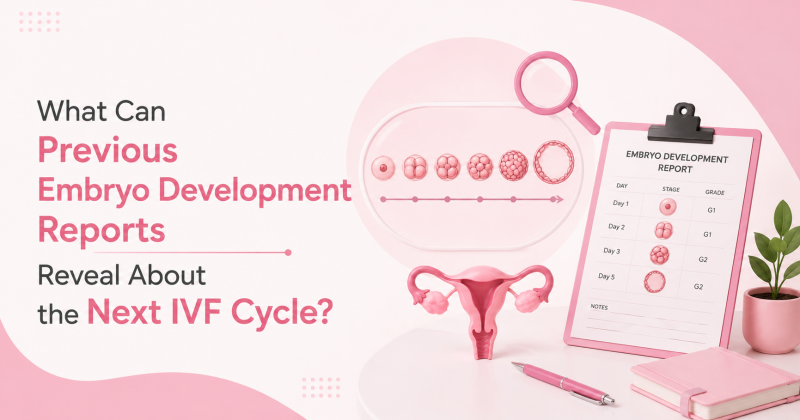
An embryo development report is a record from the embryology laboratory that tracks what happened to your eggs and embryos from retrieval onward. Depending on the clinic, it may include:
- The number of eggs retrieved and how many were mature
- How many eggs fertilised (normally or abnormally)
- Daily embryo progress, such as cell division on Day 2 and Day 3
- Blastocyst formation by Day 5 or Day 6
- Embryo grading
- How many embryos were transferred, frozen or discarded
Together, these details form a picture of how your eggs, sperm and embryos behaved in that particular cycle.
What Previous Reports Can Reveal
Egg Maturity and Response to Stimulation
If many retrieved eggs were immature, your doctor may look again at the medication protocol, the dose, or the timing of the trigger injection. A different approach may be considered next time.
Fertilisation Patterns
Low or failed fertilisation can raise questions about sperm quality, egg quality, or the method used. In some cases, a doctor may discuss ICSI, where a single sperm is injected into an egg, or further sperm tests, depending on the earlier cycle.
Embryo Development Speed
Embryos that slow down or stop dividing give clues about where the difficulty may lie. Sometimes the cause relates to egg quality, sperm factors, or laboratory conditions, and sometimes it cannot be pinpointed. Your doctor can interpret the pattern against your age and history.
Blastocyst Formation
Whether embryos reached the blastocyst stage, and how many did, helps guide decisions about transfer timing and the number of embryos to culture.
Embryo Grading
Grading describes how an embryo looks under the microscope, including cell number, symmetry and the appearance of its inner and outer layers. It is a helpful guide, but it has limits.
What Reports Cannot Tell You
It is equally important to understand the limits. An embryo report:
- Cannot guarantee implantation. A high-grade embryo may not implant, and a lower-grade one can occasionally result in a healthy pregnancy.
- Cannot confirm chromosomal health on its own. Appearance does not always reflect genetic makeup.
- Cannot predict the next cycle exactly. Each cycle can behave differently, even in the same woman.
Good doctors treat the report as one piece of evidence rather than a final verdict.
How Your Doctor May Use the Report to Plan the Next Cycle
After reviewing the earlier results alongside your medical history, a specialist may consider changes such as:
- Adjusting the stimulation protocol or medication doses
- Changing the trigger timing to improve egg maturity
- Reconsidering the fertilisation method, such as conventional IVF versus ICSI
- Extending embryo culture to blastocyst stage where appropriate
- Discussing genetic testing of embryos, if suitable
- Investigating other factors, such as the uterine lining, thyroid levels, sperm DNA integrity or immune and clotting concerns, if indicated
- Planning a frozen embryo transfer if the uterine environment needs better preparation
Not every couple needs every change. Sometimes the best decision is to repeat a similar plan, especially when the earlier cycle was reasonable and the outcome was simply unlucky.
Questions Worth Asking at Your Review Visit
Bring your reports and ask openly. Useful questions include:
- What do these numbers suggest about egg and sperm quality?
- Was anything unexpected in this cycle?
- What changes, if any, do you recommend next time, and why?
- Do I need additional tests before another attempt?
- What are realistic expectations given my age and history?
A good consultation should leave you with clear answers, not more confusion.
Choosing the Right Care for Your Next Step
Reports are only helpful when interpreted well. Many couples look for the best IVF doctor in Delhi when planning a second opinion or a repeat cycle, and what often matters most is clear communication, honest counselling and a plan built around your results rather than a standard template.
It also helps to consider the laboratory and team behind the treatment. Couples comparing the best IVF centre in Delhi may want to ask about embryology standards, how reports are explained, and how care is coordinated from stimulation through to transfer. Success rates should always be discussed realistically, since outcomes depend on individual factors and cannot be promised.
Guidance from Dr. Poonam Goyal
Dr. Poonam Goyal is a Gynecologist and Fertility Specialist in Delhi who guides couples through assessment and fertility treatment with careful explanation at each step. Her approach emphasises reviewing earlier results thoroughly, discussing options openly and tailoring decisions to the individual couple.
If you have embryo reports from a previous cycle and are unsure what they mean, a consultation can help you understand them and weigh your next options at your own pace.
Key Takeaway
Previous embryo development reports offer valuable clues about egg response, fertilisation and embryo growth. They do not predict the future, but they help a specialist refine the next plan. If you are considering another cycle, bring your records to an experienced IVF doctor who can explain them in plain language and discuss what may be worth changing.
This article is for general education and does not replace personal medical advice.
Frequently Asked Questions
1. Can an embryo report tell me whether my next IVF cycle will work?
No. It offers useful clues about egg response, fertilisation and embryo development, but it cannot predict the outcome of a future cycle. Each cycle can differ, even for the same person.
2. What does embryo grading mean?
Grading is a way for embryologists to describe how an embryo looks, including its cell number, symmetry and structure. It helps in choosing which embryo to transfer first, but it does not confirm chromosomal normality or guarantee implantation.
3. If my embryos developed poorly, does that mean IVF will not work for me?
Not necessarily. Poor development in one cycle may relate to the protocol, egg or sperm factors, or chance. A doctor can review the pattern and suggest whether adjustments or further tests may help.
4. Should I change my IVF doctor after an unsuccessful cycle?
Not always. It can help to first have a detailed review of your reports. If you still have unanswered questions, a second opinion from another specialist is a reasonable step.
5. What should I bring to a review visit before my next cycle?
Bring your embryology report, stimulation chart, medication details, transfer records, and any test results from the previous cycle, so your doctor can review the full picture.
Source:
Click for the: Full Story
You might like