Close Menu
 World
World
 Biography
 Health
 Education
 Business
 Lifestyle
 Sports
 Technology
 Animals
 History
 Food
Food
 Religious
 Startups
 Movies
 Politics
 Fashion
 Covid
Covid
 Diet
Diet
 Fitness
 Marketing
 Travel
 Science
 Reviews
 Social media
 Stories
 Facts
Facts
 Art
Art
 Entertainment
Deepak

Health
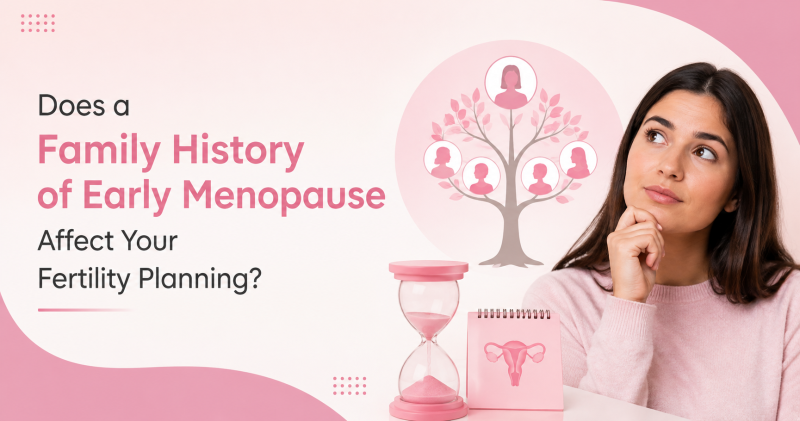
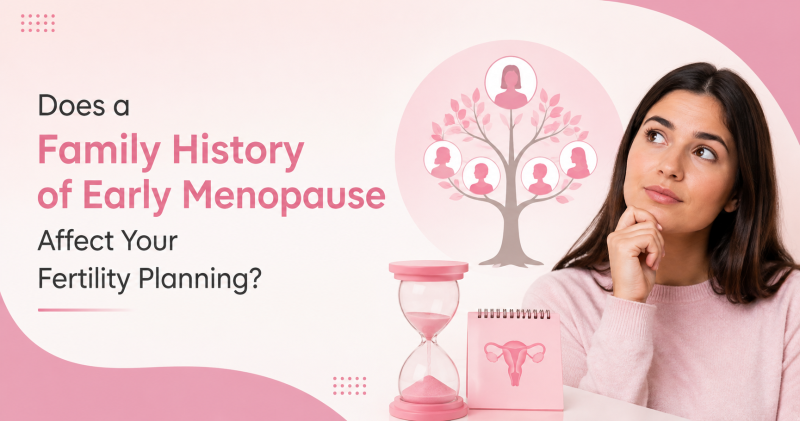
Does a Family History of Early Menopause Affect Your Fertility Planning?
 Deepak
Many women think about pregnancy only when they feel ready. But if your mother, sister or another close relative went through menopause much earlier than usual, you may wonder whether your own fertility window could be shorter. It is a fair question, and one worth asking early rather than late.
This guide explains what early menopause means, how family history can matter, and when to seek guidance. If you are searching for the best female fertility in Delhi, understanding your own risk factors is a good place to begin.
What Counts as Early Menopause?
Menopause is confirmed after 12 consecutive months without a period. In India, women commonly reach it in their late 40s. When it happens before 45, it is generally called early menopause. When it happens before 40, it is called premature ovarian insufficiency (POI), sometimes referred to as premature menopause.
In both cases, the ovaries run low on eggs or stop releasing them regularly earlier than expected. Because eggs are needed for conception, this can shorten the natural fertility window.
Can Family History Really Influence Your Own Timeline?
Yes, it can play a role, though it is not a prediction. Age at menopause tends to run in families, and genetics are one of several contributing factors. A mother or sister with early menopause may raise the likelihood that you could experience something similar.
Still, it is not a certainty. Many women with this history have a typical reproductive span, while others with no family history face early changes. Lifestyle, medical history and other health conditions also contribute.
So the most useful way to see family history is as a signal to be informed and proactive, not as a verdict.
How Early Menopause Can Affect Female Fertility in Delhi and Beyond
The ovaries hold a limited number of eggs, known as the ovarian reserve. Both the number and quality of eggs decline with age. If menopause tends to come earlier in your family, the reserve may decline sooner than average.
For women planning pregnancy, concerns about female fertility in Delhi often involve timing, since city careers and later marriages can push pregnancy plans into the 30s. Early menopause in the family can affect planning in a few ways:
- Less time to wait. Delaying pregnancy may narrow your options.
- Cycle changes may appear earlier. A change in period pattern can sometimes be the first hint.
- Conception may take longer. A lower reserve can make natural conception harder.
- Treatment decisions may need to be considered sooner. Some women benefit from timely evaluation or assisted options.
None of this means pregnancy is impossible. It means the timing of decisions matters more.
Signs That Deserve Attention
Whether or not you have a family history, speak with a gynecologist if you notice:
- Periods becoming noticeably shorter, lighter, heavier or irregular
- Missed periods without pregnancy
- Hot flushes, night sweats or unusual sleep disturbance at a young age
- Difficulty conceiving after 6–12 months of trying, depending on your age
- A history of ovarian surgery, endometriosis or an autoimmune condition
Many of these have other treatable causes, so evaluation helps separate what is concerning from what is not.
What Does a Fertility Assessment Usually Involve?
A doctor typically begins with a conversation about your menstrual history, family history and health background. Depending on your situation, the evaluation may include:
- Hormone tests, such as AMH (anti-Müllerian hormone), FSH and estradiol, which help estimate ovarian reserve
- An ultrasound scan to count the small antral follicles in the ovaries and examine the uterus
- Thyroid and other hormone checks, since these can influence cycles
- Further tests if a related condition is suspected
AMH and similar markers estimate reserve; they do not predict exactly when you will conceive or when menopause will arrive. A good clinician interprets results alongside your age, symptoms and goals instead of relying on a single number.
Practical Steps If Early Menopause Runs in Your Family
- Learn your relatives’ history. Ask at what age they stopped having periods, and whether a cause such as surgery or chemotherapy was involved. Menopause caused by surgery or treatment differs from natural early menopause.
- Track your cycles. A simple record of period dates can reveal changes early.
- Consider an early consultation. A baseline assessment in your late 20s or early 30s gives you information to plan around.
- Share your timeline. Tell your doctor when you hope to have children so guidance can match your goals.
- Ask about fertility preservation. For some women, options such as egg freezing may be worth discussing.
- Support your general health. Avoiding smoking, maintaining a healthy weight and managing stress and thyroid conditions help overall reproductive health, though they cannot cancel a genetic tendency.
When to See a Specialist
Consider consulting a gynecologist or fertility specialist if:
- A close relative had menopause before 45 and you plan pregnancy in the coming years
- Your cycles have changed significantly
- You have been trying to conceive for 12 months (or six months if you are over 35)
- You want clarity before making long-term decisions
Choosing the right doctor matters. Look for someone who listens carefully, explains results in plain language and offers options without pressure. Many women searching for the best gynaecologist in Delhi are really looking for exactly this: clear, honest guidance.
Guidance from Dr. Poonam Goyal
Dr. Poonam Goyal is a Gynecologist and Fertility Specialist in Delhi who helps women understand their reproductive health at different stages of life. Her approach focuses on careful evaluation, patient education and individualised plans, whether a woman is trying to conceive now or wants to understand her options for the future.
If early menopause runs in your family, a consultation can help you understand your ovarian reserve, answer your questions and plan next steps at your own pace. Women seeking the best female fertility in Delhi often find that an early conversation brings reassurance or, at the least, the time to act.
Key Takeaway
A family history of early menopause does not guarantee fertility challenges, but it is a good reason to be informed. Knowing your ovarian reserve and discussing your timeline early gives you more choices later. If this concern applies to you, speaking with an experienced gynecologist is a sensible and empowering step.
This article is for general education and does not replace personal medical advice.
Frequently Asked Questions
1. If my mother had early menopause, will I also have it?
Not necessarily. Family history can raise the likelihood, but it does not determine your outcome. Many women with this history reach menopause at a typical age. A fertility assessment can help you understand your own situation.
2. Can I still get pregnant naturally if early menopause runs in my family?
Yes, many women do. However, if ovarian reserve declines earlier, conception may take longer or the fertile window may be shorter, so timely planning and evaluation are helpful.
3. At what age should I get my ovarian reserve checked?
There is no single age for everyone. If close relatives had early menopause, many doctors suggest discussing a baseline assessment in your late 20s or early 30s, or sooner if your cycles are irregular or you are planning pregnancy.
4. Does an AMH test tell me exactly when I will reach menopause?
No. AMH gives an estimate of ovarian reserve, but it cannot predict the exact timing of menopause or guarantee conception. Doctors interpret it together with your age, ultrasound findings and health history.
5. Can lifestyle changes prevent early menopause?
Healthy habits support overall health, but they cannot fully override genetic influence. Avoiding smoking and managing conditions like thyroid problems can help protect reproductive health.
Source:
Click for the: Full Story
You might like