Close Menu
 World
World
 Biography
 Health
 Education
 Business
 Lifestyle
 Sports
 Technology
 Animals
 History
 Food
Food
 Religious
 Startups
 Movies
 Politics
 Fashion
 Covid
Covid
 Diet
Diet
 Fitness
 Marketing
 Travel
 Science
 Reviews
 Social media
 Stories
 Facts
Facts
 Art
Art
 Entertainment
Rajan

Health
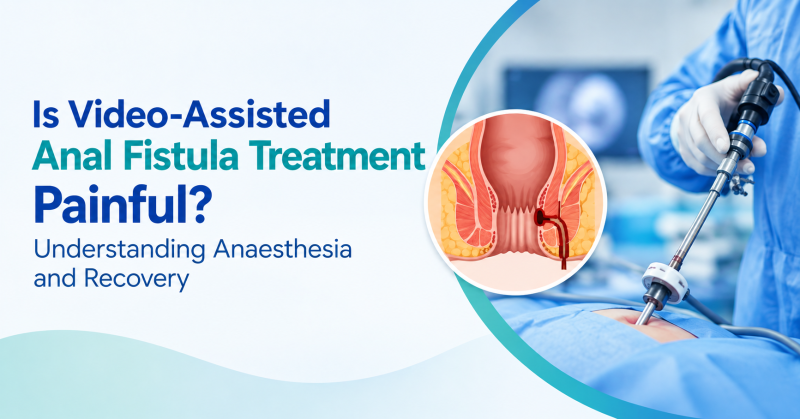
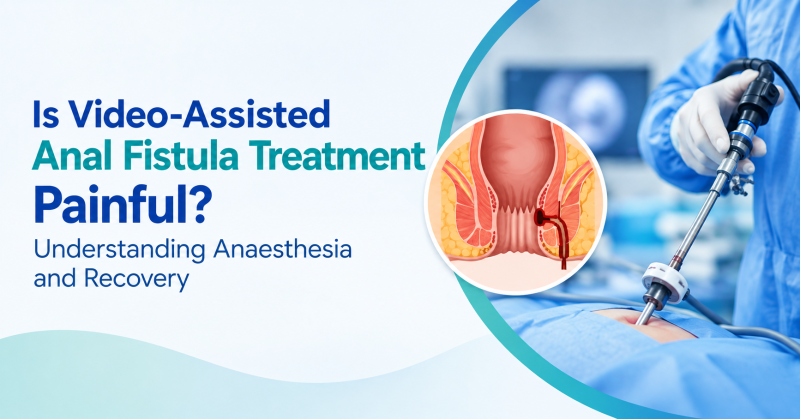
Is Video-Assisted Anal Fistula Treatment Painful? Understanding Anaesthesia and Recovery
 Rajan
Rajan
Few people look forward to anal fistula surgery, and the most common worry is pain. Traditional fistula operations have a reputation for a slow, uncomfortable recovery, which is why many patients now ask about newer options. Video-assisted anal fistula treatment (VAAFT) is one such technique, and people exploring video-assisted anal fistula treatment in Rajinder Nagar often want a straight answer: how much will it hurt, and how long until life returns to normal?
This guide explains what the procedure involves, how pain is controlled, and what recovery realistically looks like.
What Is an Anal Fistula?
An anal fistula is a small tunnel that forms between the inside of the anal canal and the skin near the anus. It usually develops after an anal abscess that does not heal completely. Typical symptoms include:
- Persistent or recurring pus or blood-stained discharge
- Pain or swelling around the anus, especially when sitting
- Skin irritation and itching
- Repeated abscesses
- Occasionally, fever
Fistulas do not heal on their own, and medicines alone cannot close them, so treatment is usually surgical.
What Is Video-Assisted Anal Fistula Treatment (VAAFT)?
VAAFT is a minimally invasive technique. The surgeon inserts a thin, rigid scope called a fistuloscope into the fistula tract. The camera shows the inside of the tract on a screen, which allows the surgeon to:
- Identify the exact path of the tract, including hidden branches
- Locate the internal opening
- Destroy the lining of the tract using a small electrode
- Clean out debris and infected tissue
- Close the internal opening, often with a stapler or sutures
Because the surgeon works from inside the tract, the muscle that controls continence (the sphincter) is not cut in the way it can be in traditional fistulotomy. This is the main reason VAAFT is considered gentler.
Is VAAFT Painful?
For most patients, the discomfort is considerably less than after conventional open fistula surgery. The procedure itself is painless because it is done under anaesthesia. Afterwards, you can expect mild to moderate soreness for a few days, usually manageable with ordinary painkillers.
The reasons pain tends to be lower include:
- No large open wound, since there is no wide cutting of tissue
- Minimal handling of the sphincter muscle
- Smaller external wounds, which heal faster
- Less need for daily, painful wound packing
That said, pain is subjective. Complex fistulas with multiple tracts, or those with an active infection, may cause more discomfort during recovery.
Understanding Anaesthesia for VAAFT
You will not feel the procedure. The anaesthesia options generally include:
- Spinal anaesthesia: The lower body is numbed while you remain awake or lightly sedated. This is the most common choice.
- General anaesthesia: You are fully asleep. This may be preferred for anxious patients or more complex cases.
- Local anaesthesia with sedation: Occasionally used for simple cases.
The anaesthetist will recommend the safest option after reviewing your health, medicines, and any previous reactions. Many patients have the procedure as a day-care case and go home the same day or the next morning.
What Recovery Looks Like
Recovery varies, but a typical timeline is:
- First 24 to 48 hours: Mild soreness and a little discharge. Rest and take prescribed medicines.
- Days 3 to 7: Discomfort settles. Many people return to desk work within a few days.
- Weeks 2 to 4: Small wounds heal. Occasional discharge may continue briefly.
- Around 4 to 6 weeks: Most people feel back to normal, and strenuous activity can resume as advised.
Practical Tips for a Smoother Recovery
- Take warm sitz baths a few times a day, especially after bowel movements
- Eat a high-fibre diet and drink plenty of water to keep stools soft
- Use stool softeners if prescribed, and avoid straining
- Keep the area clean and dry
- Avoid prolonged sitting on hard surfaces in the first week
- Follow up as scheduled so healing can be monitored
Benefits and Limitations of VAAFT
Potential benefits:
- Lower risk of damaging the sphincter, so a lower risk of incontinence
- Smaller wounds and less pain
- Shorter hospital stay and faster return to routine
- Better visualisation of hidden tracts
Limitations to understand:
- Recurrence is possible, as with any fistula treatment
- Not every fistula is suitable, and some very complex or Crohn’s-related fistulas need a different approach
- The equipment and training required mean it is not available everywhere
An honest discussion of success rates and recurrence should be part of any consultation.
Choosing Where to Get Treated
Because results depend on correctly mapping the fistula, surgeon experience matters. Look for a colorectal or general surgeon who offers multiple fistula techniques rather than only one, so the treatment is matched to your anatomy and not the other way around. Check whether the hospital provides MRI or endoscopic ultrasound to assess complex tracts.
Many patients prefer to travel little, which is why searches for video-assisted anal fistula treatment in Delhi often narrow down to neighbourhoods such as Rajinder Nagar, close to major hospitals. Specialists such as Dr. Tarun Mittal, who performs advanced minimally invasive procedures for fistula and other anorectal conditions, are among those patients consult, although the best option for you depends on your fistula type and a personal examination.
Conclusion
Video-assisted anal fistula treatment is designed to be gentler than traditional surgery, with no pain during the procedure and mostly mild discomfort afterwards. Understanding the anaesthesia, recovery timeline, and limitations helps you approach treatment with confidence rather than fear. If you are considering video-assisted anal fistula treatment in Rajinder Nagar or elsewhere in Delhi, book a proper evaluation, ask about suitability and recurrence, and do not delay, since an untreated fistula can lead to repeated infections.
Visit Dr. Tarun Mittal
If you would like to discuss fistula treatment options in person, you can consult Dr. Tarun Mittal at:
Sir Ganga Ram Hospital, Old Rajendra Nagar, New Delhi-110060
Please book an appointment in advance and carry your previous reports, scans, and current medicine list to make the consultation more useful.
Disclaimer: This article is for general information only and is not a substitute for personal medical advice. Individual experiences vary. Please consult a qualified surgeon before making any treatment decision.
Frequently Asked Questions
1. Is VAAFT less painful than traditional fistula surgery?
Generally yes. Because the sphincter is largely preserved and the wounds are smaller, most patients report less pain and quicker recovery.
2. Will I be awake during the procedure?
It depends on the anaesthesia chosen. With spinal anaesthesia you may be awake but feel nothing below the waist, and sedation can make you drowsy. General anaesthesia keeps you fully asleep.
3. How long before I can return to work?
Many people resume light work within three to seven days. Jobs involving heavy lifting or long travel may need a longer break.
4. Can a fistula come back after VAAFT?
Recurrence is possible, and rates vary with the complexity of the fistula and the technique. Follow-up and good bowel habits help reduce the risk.
5. Is VAAFT suitable for everyone?
No. It works best for certain types of fistula. Your surgeon will decide after examination and imaging.
Source:
Click for the: Full Story
You might like