Close Menu
 World
 Biography
 Health
 Education
 Business
 Lifestyle
 Sports
 Technology
 Animals
 History
 Food
 Religious
 Startups
 Movies
 Politics
 Fashion
 Covid
 Diet
 Fitness
 Marketing
 Travel
 Science
 Reviews
 Social media
 Stories
 Facts
 Art
 Entertainment
Dantaa Dental Clinic

Health
How to Adjust to New Dentures: Practical Tips for Everyday Comfort
 Dantaa Dental Clinic
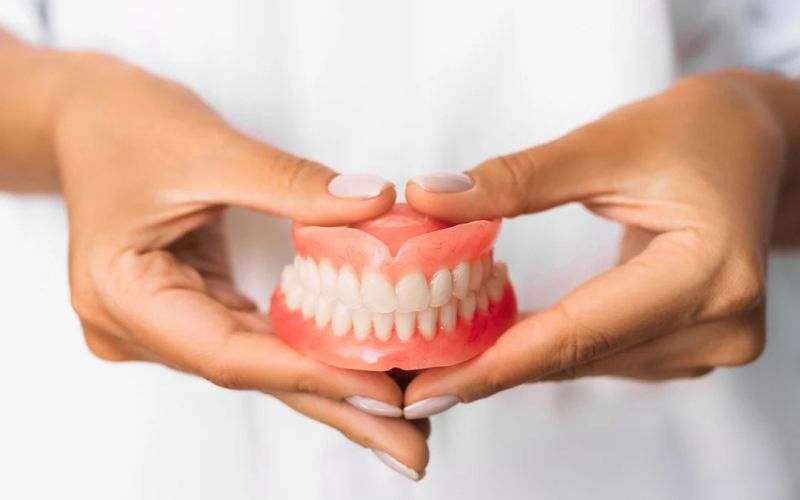
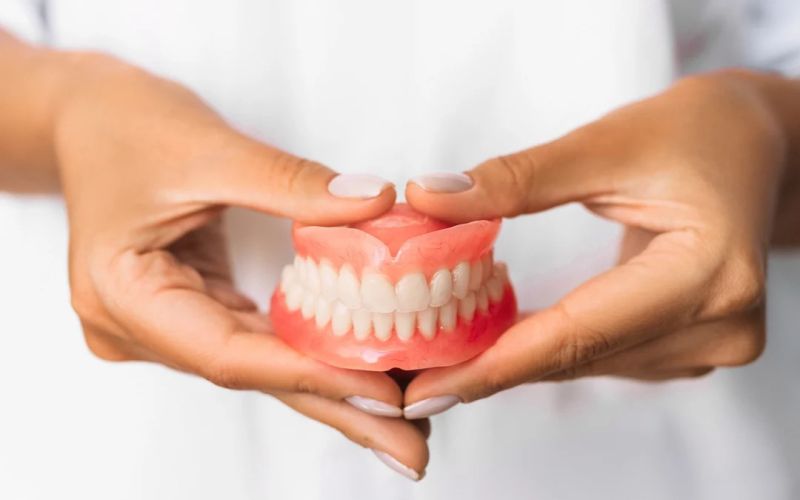
Getting new dentures can restore your ability to chew, speak, and smile with greater confidence, but adjusting to them can take some time. A Dentist in Sec 15 Chandigarh can guide you through the fitting process and help address common concerns during the adjustment period. Whether you are receiving partial or complete dentures, knowing what to expect and following practical care tips can make the transition more comfortable. Dentures in Chandigarh can provide an effective tooth replacement option for people who have lost several or all of their natural teeth, but getting used to a new appliance is an important part of the process.
New dentures may initially feel unusual because your mouth needs to adapt to their shape and presence. You may notice increased saliva, mild gum soreness, difficulty pronouncing certain words, or a feeling that the dentures are different when you chew. These experiences are often part of the adjustment process and generally improve as you become more familiar with your dentures.
However, persistent pain, severe irritation, or a denture that repeatedly slips should not simply be accepted. These issues may indicate that an adjustment is needed.
What to Expect When You First Get Dentures
The first few days with new dentures can feel different from what you expected. Your tongue, cheeks, gums, and jaw muscles need time to adapt.
You may initially experience:
- Mild gum tenderness
- Increased saliva production
- A feeling of fullness in the mouth
- Difficulty pronouncing certain sounds
- Slight difficulty chewing
- Awareness of the denture while speaking
These sensations usually become less noticeable as your mouth adapts.
If discomfort remains significant or gets worse, contact your dental professional rather than trying to adjust the denture yourself.
1. Start With Soft Foods
One of the easiest ways to make the adjustment period more comfortable is to begin with soft foods.
Good choices may include:
- Soft-cooked vegetables
- Eggs
- Yogurt
- Mashed foods
- Soft rice
- Pasta
- Tender fish
- Soft fruits
Cut food into small pieces and chew slowly. As your confidence improves, gradually introduce firmer foods.
Avoid starting with very hard, sticky, or chewy foods because they can make eating more difficult while you are still learning how to control your dentures.
2. Chew Slowly and Use Both Sides
New denture wearers often find that chewing feels different from chewing with natural teeth.
Try placing small portions of food in your mouth and chewing slowly. Using both sides of the mouth can help distribute pressure more evenly and may improve denture stability.
Avoid taking very large bites until you become comfortable with your new dentures.
With time and practice, your chewing technique will generally become more natural.
3. Practise Speaking at Home
Speaking with new dentures may initially feel unusual. Certain sounds can be more difficult to pronounce while your tongue adapts to the appliance.
You can improve your speech by:
- Reading aloud
- Speaking slowly
- Practising difficult words
- Talking with family members
- Repeating words that feel difficult to pronounce
Some people find that their speech becomes more natural after regular practice.
If your dentures repeatedly click, move, or interfere with speaking, speak to your dentist. The fit may need to be assessed.
4. Give Your Mouth Time to Adapt
It is normal to be very aware of your dentures at first. You may constantly notice their presence, particularly during speaking or eating.
Avoid becoming discouraged during the early days. Your mouth needs time to develop coordination with the new appliance.
Follow your dentist's instructions about how long to wear the dentures each day. If your dentist recommends removing them at night, follow those instructions to allow your oral tissues to rest.
5. Maintain Excellent Oral Hygiene
Even though dentures are artificial teeth, your mouth still needs daily cleaning.
Clean your dentures according to your dental professional's instructions and continue cleaning your gums, tongue, and any remaining natural teeth.
If you have partial dentures, cleaning the remaining natural teeth is especially important because they provide support for the appliance.
Good hygiene can help reduce:
- Plaque buildup
- Bad breath
- Gum irritation
- Staining
- Oral infections
6. Clean Your Dentures Carefully
Remove and clean removable dentures as recommended.
When handling them, do so carefully over a soft surface or a basin of water to reduce the risk of damage if they are accidentally dropped.
Avoid using very hot water because excessive heat may affect the shape of some denture materials.
Your dentist can recommend suitable cleaning methods and products for your particular type of denture.
7. Keep Your Dentures Moist When They Are Removed
Some removable dentures need to remain moist when they are not being worn. Follow the storage instructions provided by your dental professional.
Do not leave dentures exposed to extreme heat or in inappropriate cleaning solutions.
Proper storage helps maintain their shape and condition.
8. Do Not Try to Adjust Your Dentures Yourself
If your new dentures feel uncomfortable, you may be tempted to file, bend, or modify them yourself.
Avoid doing this.
Even a small change can affect the fit and may damage the appliance. If your dentures feel loose, cause persistent soreness, or create pressure in one area, have them professionally assessed.
A Dentist in Sec 15 Chandigarh can identify pressure points and make appropriate adjustments when necessary.
9. Pay Attention to Sore Spots
Some mild tenderness can occur when you first start wearing dentures. However, persistent or severe sore spots may indicate that the denture is putting excessive pressure on a particular area.
You should contact your dentist if you notice:
- Persistent gum pain
- Significant redness
- Open sores
- Bleeding
- Swelling
- Severe irritation
A professional adjustment may improve comfort and help the denture fit more effectively.
10. Understand Denture Adhesives
Some denture wearers use adhesives to improve stability. However, adhesives should not be used as a substitute for a poorly fitting denture.
If your dentures consistently move or fall out while speaking or eating, the underlying fit should be assessed.
Your dentist can advise whether an adhesive is appropriate and explain how to use it correctly.
11. Attend Follow-Up Appointments
Follow-up visits are an important part of adapting to new dentures.
Your dentist can assess:
- Fit
- Comfort
- Gum condition
- Bite
- Denture stability
- Speech-related concerns
If necessary, adjustments can be made to improve comfort.
This is particularly important during the early stages because your mouth may change as tissues adapt to the appliance.
12. Understand That Dentures May Need Adjustments
Even a well-made denture may require adjustments.
The gums and underlying tissues can change over time, and the fit may gradually become less secure. This can happen because of natural changes in the jawbone and oral tissues.
If your denture becomes loose after you have been using it comfortably for some time, schedule a dental evaluation.
Do not assume that you simply need more adhesive.
13. Eat Carefully During the Adjustment Period
Certain foods can be challenging for new denture wearers.
Initially, be cautious with:
- Sticky foods
- Hard nuts
- Very tough meats
- Hard raw vegetables
- Chewy sweets
- Foods with small seeds
Gradually introduce different textures as your chewing confidence improves.
If you experience repeated difficulty with particular foods, discuss the issue with your dentist.
14. Stay Hydrated
Drinking enough water can help keep your mouth comfortable. Some people experience changes in saliva production when they first start wearing dentures.
Water can also help maintain general oral comfort.
If you experience persistent dry mouth, discuss it with your dental professional because reduced saliva can affect oral comfort and denture use.
What If Your Dentures Feel Loose?
Loose dentures can make eating and speaking difficult. They may move when you chew or laugh, or you may feel that they are slipping out of position.
Possible reasons include:
- Initial fitting issues
- Changes in oral tissues
- Jawbone changes
- Wear over time
- Changes in the denture itself
Dentures in Chandigarh should be professionally fitted and reviewed when necessary to ensure that they continue to function comfortably.
If your dentures repeatedly move, schedule an appointment rather than trying to fix the problem yourself.
What If You Experience Pain?
Persistent pain is not something you should simply tolerate.
Mild tenderness during the initial adjustment period may occur, but significant or worsening pain should be assessed.
Contact your dentist if you experience:
- Severe gum pain
- Persistent ulcers
- Swelling
- Bleeding
- Difficulty eating
- Significant denture movement
Your dentist can determine whether an adjustment or another solution is required.
Long-Term Denture Care
Once you have adapted to your dentures, continue caring for them consistently.
A good long-term routine includes:
- Cleaning dentures daily
- Cleaning your gums and tongue
- Brushing remaining natural teeth
- Storing dentures correctly
- Attending regular dental check-ups
- Replacing or adjusting dentures when recommended
Regular professional assessments can help identify changes in fit before they become uncomfortable.
Can You Sleep With Dentures?
Whether you should sleep with dentures depends on your individual circumstances and your dentist's instructions. Many removable denture wearers are advised to remove them at night to give the oral tissues time to rest.
If your dentist recommends removing them while sleeping, clean and store them correctly overnight.
Always follow the specific instructions provided for your denture.
Final Thoughts
Adjusting to new dentures takes patience, practice, and proper care. Mild changes in speech, chewing, saliva production, and mouth awareness are common during the early adjustment period. Starting with soft foods, practising speaking, cleaning your dentures properly, and attending follow-up appointments can make the transition easier.
Dentures in Chandigarh can help restore chewing ability, speech, appearance, and confidence for people who have lost multiple or all natural teeth. However, comfort depends greatly on proper fitting, regular maintenance, and professional follow-up.
At Dantaa Dental Clinic, patients can receive guidance on denture care, adjustment, and long-term oral health. If your new dentures feel painful, loose, or uncomfortable, consulting a Dentist in Sec 15 Chandigarh can help identify the problem and improve your comfort.
FAQs
1. How long does it take to get used to new dentures?
The adjustment period varies from person to person. Many people gradually become more comfortable with eating and speaking as they practise and their mouth adapts. Persistent discomfort should be discussed with your dentist.
2. Why do my new dentures hurt?
Some mild soreness can occur during the initial adjustment period, but persistent or severe pain may indicate that the denture is putting pressure on certain areas. A Dentist in Sec 15 Chandigarh can examine the fit and make appropriate adjustments.
3. Can I eat normally with dentures?
You can gradually return to a wider range of foods as you become comfortable. Start with soft foods, cut food into small pieces, chew slowly, and introduce harder or chewier foods gradually.
4. Should I remove my dentures at night?
Many removable denture wearers are advised to remove their dentures at night so the oral tissues can rest. However, follow the specific instructions provided by your dental professional.
5. How should I clean my dentures?
Clean removable dentures daily according to your dentist's instructions. You should also clean your gums, tongue, and remaining natural teeth. Avoid very hot water and handle dentures carefully to prevent damage.
Source:
Click for the: Full Story
You might like