Close Menu
 World
 Biography
 Health
 Education
 Business
 Lifestyle
 Sports
 Technology
 Animals
 History
 Food
 Religious
 Startups
 Movies
 Politics
 Fashion
 Covid
 Diet
 Fitness
 Marketing
 Travel
 Science
 Reviews
 Social media
 Stories
 Facts
 Art
 Entertainment
Rajan

Health
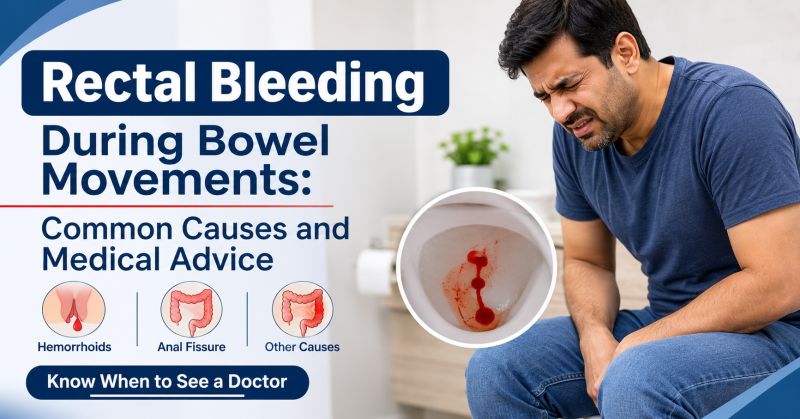
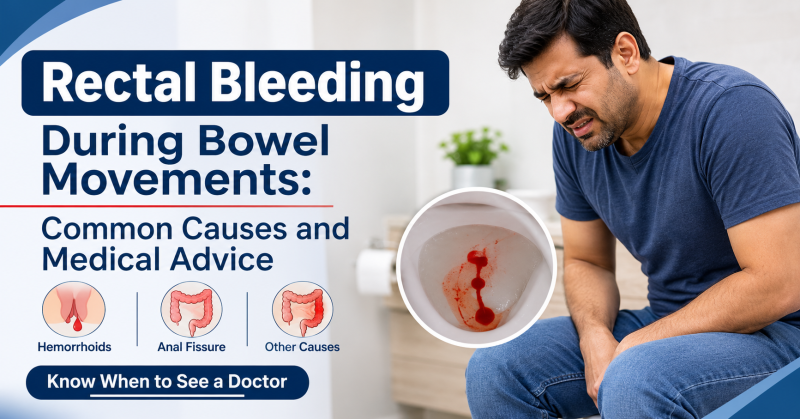
Rectal Bleeding During Bowel Movements: Common Causes and Medical Advice
 Rajan
Seeing blood in the toilet bowl or on the tissue is alarming, and many people respond by ignoring it or by assuming the worst. Rectal bleeding has several possible causes. Many are harmless and easy to treat, but a few need prompt attention.
This guide explains why bleeding happens, how to tell the likely causes apart, and when to see a doctor. It also covers what to look for if you are searching for the best piles treatment in Central Delhi.
What Does Rectal Bleeding Look Like?
The colour of the blood often hints at where it is coming from:
- Bright red blood on tissue, in the toilet water, or coating the stool usually comes from the lower digestive tract, near the rectum or anus.
- Dark red or maroon blood may come from higher up in the colon.
- Black, tarry stools often point to bleeding in the upper digestive tract, such as the stomach, and need urgent evaluation.
Colour is only a clue, not a diagnosis. Only a proper examination can confirm the source.
Common Causes of Rectal Bleeding
1. Haemorrhoids (Piles)
Piles are the most frequent cause of painless, bright red bleeding during bowel movements. They are swollen blood vessels in or around the anus and rectum. Internal piles sit inside the rectum and may bleed without much pain. External piles sit under the skin around the anus and can cause itching, swelling, and discomfort.
Common triggers include:
- Chronic constipation or straining
- Sitting for long periods, especially on the toilet
- Low-fibre diets
- Pregnancy and childbirth
- Obesity
- Heavy lifting
2. Anal Fissures
An anal fissure is a small tear in the lining of the anus, often caused by passing hard stools. It typically causes sharp, burning pain during and after a bowel movement, along with a small amount of bright red blood. Fissures are easy to confuse with piles because the bleeding looks similar, but the pain pattern usually differs.
3. Anal Fistula or Abscess
An infected gland near the anus can form an abscess. If it drains, it can leave a tunnel-like opening called a fistula. Symptoms include pain, swelling, pus discharge, and sometimes blood. These conditions seldom resolve on their own and usually need specialist care.
4. Inflammatory Bowel Disease
Ulcerative colitis and Crohn’s disease can cause bloody stools along with diarrhoea, abdominal cramps, weight loss, and fatigue.
5. Polyps and Colorectal Cancer
Polyps are growths in the colon lining. Most are benign, but some can turn cancerous over time. Colorectal cancer can also cause rectal bleeding. Warning signs include a persistent change in bowel habits, unexplained weight loss, ongoing tiredness, and a feeling that the bowel never empties fully.
This is why bleeding should never be assumed to be “just piles”, even if you have had piles before.
When Should You See a Doctor?
Book an appointment if you notice blood in your stool even once, particularly if it:
- Lasts more than a few days
- Keeps coming back
- Comes with pain, a lump, or discharge
- Appears alongside constipation or diarrhoea that won’t settle
- Comes with weight loss or fatigue
Seek emergency care if you have heavy bleeding, dizziness, fainting, a rapid heartbeat, severe abdominal pain, or black stools.
People over 45, and those with a family history of bowel cancer or inflammatory bowel disease, should be especially careful about getting bleeding checked.
How Doctors Diagnose the Cause
A specialist will usually begin with your medical history and a physical examination. Depending on the findings, further tests may include:
- Digital rectal examination to check for lumps, tenderness, or abnormalities
- Proctoscopy or anoscopy to look directly at the anal canal and lower rectum
- Colonoscopy to examine the entire colon, often recommended for adults with persistent bleeding or risk factors
- Blood tests to check for anaemia caused by ongoing blood loss
Treatment Options for Piles
If piles are confirmed, treatment depends on the grade and severity.
Lifestyle and home care (early-stage piles):
- Eat more fibre through vegetables, fruits, oats, and whole grains
- Drink plenty of water
- Avoid straining and limit toilet time to a few minutes
- Take warm sitz baths to ease discomfort
- Stay physically active
Medical treatment: Stool softeners and topical creams can help manage symptoms.
Minimally invasive procedures: Rubber band ligation, sclerotherapy, and infrared coagulation can treat small to moderate piles in a clinic setting, usually with quick recovery.
Surgical options: Advanced or recurring piles may need laparoscopic or stapler-based procedures, or a conventional haemorrhoidectomy.
Choosing the Best Piles Treatment in Central Delhi
Many people hesitate to seek help for anorectal problems because of embarrassment, which often lets a simple condition worsen. When looking for the best piles treatment in Central Delhi, focus on the following rather than on marketing claims:
- Proper diagnosis first. A good specialist rules out other causes of bleeding before starting treatment.
- Qualified surgical expertise. Look for a general or laparoscopic surgeon with experience in anorectal conditions.
- Range of options. The doctor should explain both non-surgical and surgical choices and recommend the least invasive one that suits you.
- Clear communication. You should understand your diagnosis, the risks, and the recovery process.
- Follow-up care. Piles can recur without diet and habit changes, so ongoing guidance matters.
Patients searching for the best piles treatment in Delhi can find experienced surgeons across the city. One such specialist is Dr. Tarun Mittal, a surgeon who treats piles, fissures, and fistulas and can be consulted for a complete evaluation of rectal bleeding. Address: Sir Ganga Ram Hospital, Old Rajendra Nagar, New Delhi-110060
Preventing Rectal Bleeding
Most bleeding caused by piles and fissures can be reduced with simple habits:
- Aim for 25–30 grams of fibre daily
- Respond to the urge to pass stool without delay
- Avoid scrolling on your phone while on the toilet
- Maintain a healthy weight
- Exercise regularly
- Avoid heavy straining during lifting
Conclusion
Rectal bleeding during bowel movements is common, and in most cases the cause is treatable. But it should never be ignored, because the same symptom can signal conditions that need early attention. Understanding the likely causes, recognising warning signs, and seeking timely evaluation are the most important steps you can take.
If you are looking for the best piles treatment in Central Delhi, prioritise accurate diagnosis, experienced care, and a treatment plan suited to your condition. Early consultation leads to simpler treatment, faster recovery, and peace of mind.
Disclaimer: This article is for general information only and is not a substitute for professional medical advice, diagnosis, or treatment.
Frequently Asked Questions
1. Is rectal bleeding always caused by piles?No. Piles are the most common cause, but fissures, infections, inflammatory bowel disease, polyps, and colorectal cancer can also cause bleeding. A medical examination is the only reliable way to know.
2. Can piles go away without treatment?Mild piles often improve with dietary changes, hydration, and better toilet habits. Persistent or recurring piles should be assessed by a doctor.
3. Is piles surgery painful?Modern techniques have made recovery much more comfortable. Pain levels vary by procedure, and your surgeon can explain what to expect and how it will be managed.
4. How do I know if my bleeding is serious?Heavy bleeding, dizziness, black stools, weight loss, or changes in bowel habits are warning signs. Any bleeding that lasts more than a few days also warrants a check-up.
5. What should I look for in the best piles treatment in Central Delhi?Look for a qualified specialist who diagnoses before treating, offers multiple treatment options, explains risks clearly, and provides follow-up care.
Source:
Click for the: Full Story
You might like