


 Close Menu
 World
 Biography
 Health
 Education
 Business
 Lifestyle
 Sports
 Technology
 Animals
 History
 Food
 Religious
 Startups
 Movies
 Politics
 Fashion
 Covid
 Diet
 Fitness
 Marketing
 Travel
 Science
 Reviews
 Social media
 Stories
 Facts
 Art
 Entertainment
Rajan

Health
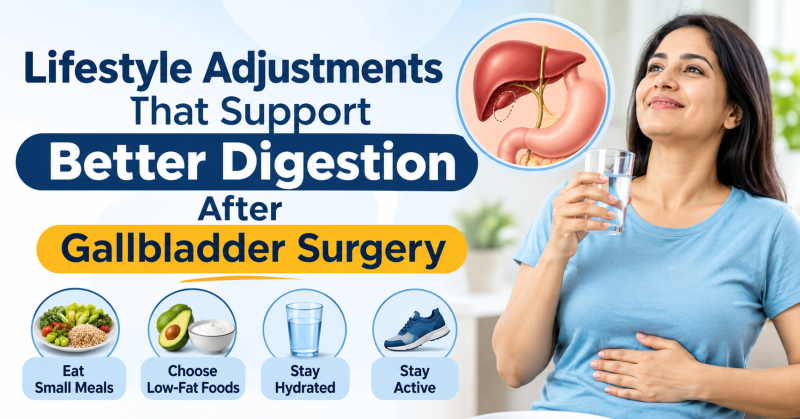
Lifestyle Adjustments That Support Better Digestion After Gallbladder Surgery
 Rajan
Many patients who undergo gallbladder removal surgery in Central Delhi go home within a day or two and are surprised that digestion doesn’t return to normal right away. Gas, loose stools, bloating, or discomfort after a heavy meal are common in the first few weeks. They usually settle as the body adapts.
This guide explains why digestion changes after surgery and which everyday habits help. It also covers how to choose a surgeon and which symptoms need medical attention.
Why Digestion Changes After Gallbladder Removal
The liver makes bile, and the gallbladder stores it and releases a concentrated amount when you eat fat. Without a gallbladder, bile drips steadily into the small intestine instead. Small, balanced meals are handled well. Large, greasy ones can overwhelm the system and cause:
- Loose or urgent stools
- Gas and bloating
- Mild cramping after meals
- Nausea after oily food
For most people these symptoms are temporary, and the habits below make the adjustment smoother.
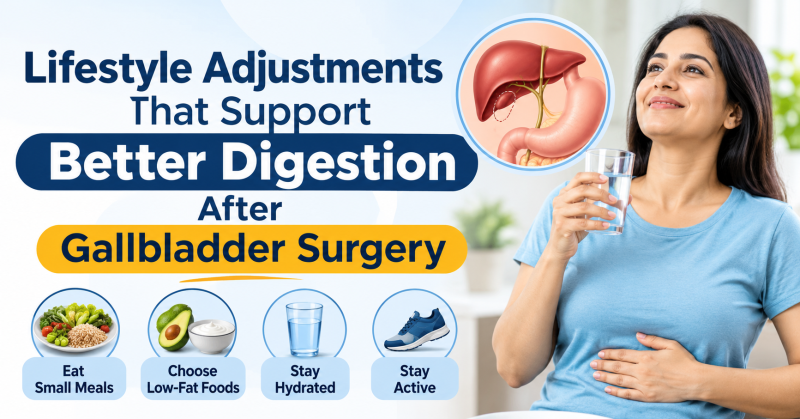
1. Eat Smaller, More Frequent Meals
Large meals need a lot of bile at once. Five or six small meals are easier on the gut than three big ones.
- Keep portions modest for the first few weeks
- Avoid long gaps between meals
- Stop eating when you feel comfortably full
- Avoid heavy meals close to bedtime
2. Reintroduce Fats Gradually
Fat isn’t forbidden after surgery, but most surgeons recommend starting low-fat and building up slowly.
Gentler choices:
- Dal, khichdi, and well-cooked vegetables
- Steamed or grilled fish and skinless chicken
- Low-fat curd or buttermilk
- Small amounts of nuts, seeds, or olive oil
Limit at first:
- Deep-fried snacks like samosas, pakoras, and puris
- Cream or butter-heavy gravies
- Rich mithai and full-fat desserts
- Packaged fast food
Add one new food at a time. If something causes discomfort, wait a week or two before trying it again.
3. Build Fiber Slowly
Soluble fiber can firm up loose stools, but too much too fast causes gas.
- Begin with oats, bananas, apples, and cooked vegetables
- Add whole grains, salads, and legumes over two to three weeks
- Increase water intake as fiber goes up
4. Stay Hydrated
Water supports digestion and helps prevent the constipation that can follow surgery, especially if you are taking painkillers. Sip fluids through the day. Coconut water, clear soups, and herbal teas are gentle choices. Go easy on fizzy drinks, which add to bloating.
5. Watch Common Triggers
During recovery, some items can irritate the gut and worsen loose stools:
- Strong tea and coffee
- Alcohol
- Very spicy food
- Sugar-free products containing sorbitol
You don’t need to give these up forever. Reintroduce them cautiously and note how you feel.
6. Keep a Simple Food Diary
Everyone tolerates food differently. A short daily note of what you ate and how you felt afterward quickly shows patterns, and it gives your doctor useful information if symptoms continue.
7. Eat Slowly and Chew Well
Eating quickly makes you swallow air, which adds to gas and bloating. Sit down for meals, put the phone away, and chew thoroughly.
8. Move Gently Every Day
Light activity helps the gut move and relieves trapped gas.
- Take a 10 to 15 minute walk after meals
- Build up gradually as your energy returns
- Avoid heavy lifting and strenuous workouts until your surgeon clears you
9. Manage Stress and Sleep
The gut and brain are closely linked. Poor sleep and stress can worsen bloating and irregular bowel habits. Aim for seven to eight hours of sleep, and try deep breathing or gentle stretching.
Choosing the Right Surgeon and Follow-Up Care
Recovery depends partly on how the operation is done and how well you are guided afterward. Most gallbladder removals are now laparoscopic, which means small incisions, less pain, and a quicker return to routine. When comparing options for the best gallbladder removal surgery in Delhi, look at the surgeon’s laparoscopic experience, how clearly they explain recovery, and whether diet guidance is part of follow-up.
Many patients from the surrounding areas specifically search for the best gallbladder removal surgery in Rajinder Nagar because several established hospitals are concentrated there. One option is Dr. Tarun Mittal, a senior consultant in laparoscopic and general surgery at Sir Ganga Ram Hospital, Sir Ganga Ram Hospital Marg, Old Rajinder Nagar, New Delhi – 110060. Whichever surgeon you choose, ask about expected recovery time, diet advice, and which symptoms should prompt a call.
When to See a Doctor
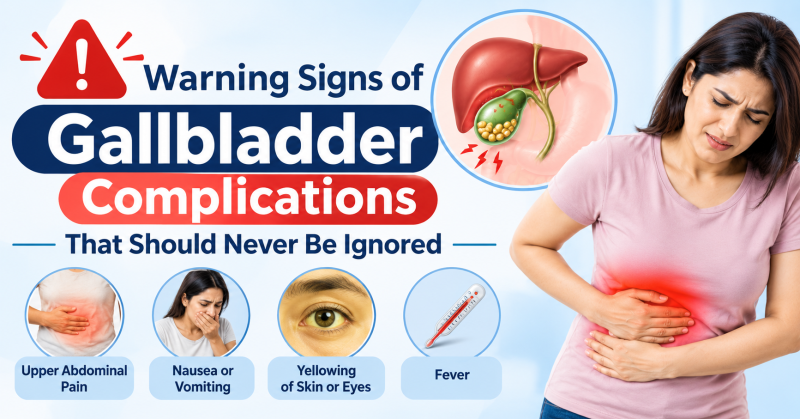
Mild digestive changes are normal. Contact your surgeon promptly if you notice:
- Severe or persistent abdominal pain
- Fever or chills
- Yellowing of the skin or eyes
- Repeated vomiting
- Diarrhea lasting several weeks or getting worse
- Dark urine or pale stools
Conclusion
Digestion after gallbladder surgery improves when you give it time and support. Whether you have had gallbladder removal surgery in Central Delhi or elsewhere, the basics are the same: eat small meals, reintroduce fats gradually, add fiber slowly, stay hydrated, move daily, and track which foods suit you. Most people return to a comfortable, varied diet. If symptoms are severe or last longer than expected, seek medical advice rather than waiting.
This article is for general education and is not a substitute for personal medical advice.
Frequently Asked Questions
1. How long does digestion take to settle after gallbladder surgery?
Most people feel better within a few weeks. Some need two to three months to fully adjust, and gradual diet changes make the process easier.
2. Can I eat normal food after gallbladder removal surgery in Central Delhi or anywhere else?
In most cases, yes. Start with low-fat, easily digestible meals and bring back regular foods slowly, watching how your body responds.
3. Why do I have loose stools after the operation?
Bile now flows continuously into the intestine, which can speed up bowel movements. Smaller meals, moderate fat intake, and soluble fiber usually help. If it persists, see your doctor, as medication may be needed.
4. Do I need probiotics or digestive supplements?
Not always. Some people benefit, but it is best to discuss it with your doctor rather than self-prescribe.
5. When can I return to exercise?
Light walking is encouraged within days. Strenuous exercise usually resumes after your surgeon confirms healing, often within two to six weeks.
Source:
Click for the: Full Story
You might like

You Might Like this