


 Close Menu
 World
 Biography
 Health
 Education
 Business
 Lifestyle
 Sports
 Technology
 Animals
 History
 Food
 Religious
 Startups
 Movies
 Politics
 Fashion
 Covid
 Diet
 Fitness
 Marketing
 Travel
 Science
 Reviews
 Social media
 Stories
 Facts
 Art
 Entertainment
soumya hospital

Health
Obstetrics and Gynaecology in Hyderabad: Everything You Need to Know About Women's Healthcare and Maternity Care
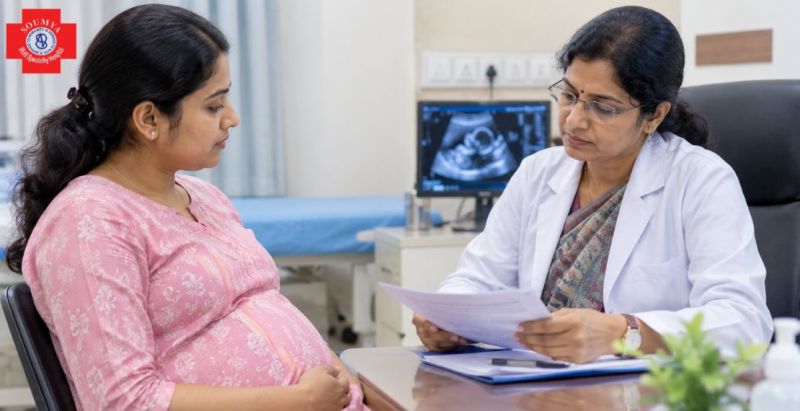 soumya hospital
A woman's body calls for health care at every stage of their life from the teenage period and pregnancy to menopause and beyond. Regular health screening can help avoid health issues, detect health problems early and ensure that it is better treated. Right Obstetrics and Gynaecology in Hyderabad, you can have the right treatments for pregnancy, menstrual problems, hormonal problems and other women's health issues.
There are two major women's health specialties obstetrics and gynaecology. It's important to understand both types of services, so that women know when to see a gynaecologist or an obstetrician, and when to take time to get medical advice.
What Is Obstetrics and Gynaecology?
Obstetrics and gynaecology a commentary Obstetrics and gynaecology are very similar and very related medical disciplines concerned with pregnancy, midwifery, and the health of the female reproductive organs.
What Is Obstetrics?
Women's health / Obstetrics Maternal women's health; gender-related problems of women. Ob-gyns (short for obstetricians and gynecologists) specialize in women's health. They deal with the health of their patients during pregnancy and after delivery.
Common obstetric services include:
Regular pregnancy checkups
Antenatal care and monitoring
High-risk pregnancy management
Labour and delivery care
Normal delivery and Caesarean section
Postnatal care after childbirth
The doctor's examination during each visit also aids the doctor in tracking the development of the pregnancy, screening for any complications.
What Is Gynaecology?
Gynaecology is the medical and surgical health of the female reproductive system. A gynaecologist is a doctor who specialise in this.
Common gynaecological concerns include:
Irregular or painful periods
Polycystic Ovary Syndrome (PCOS)
Uterine fibroids
Ovarian cysts
Endometriosis
Menopause-related symptoms
Reproductive health concerns
If they notice unusual symptoms or have concerns about their reproductive system, gynaecology doctors advise women to see a gynaecologist.
What Services Are Offered by Obstetrics and Gynaecology Specialists in Hyderabad?
A perfect women's healthcare center will provide various services for women according to her age and health status and need.
1. Pregnancy and Antenatal Care
Antenatal care Pregnancy is an ongoing process and each period needs attending to by keeping a close eye on the welfare of the mother-to-be and her offspring. Antenatal care involves: regular evaluations, prescribed blood tests, scans, and medical advice.
During pregnancy, there are also other advice such as on food and nutrition exercise lifestyle factors and supplements. The doctor's visits help to identify any issues early.
2. High-Risk Pregnancy Management
Some pregnancies need extra care during pregnancy because of previous health problems or complications of pregnancy.
High-risk pregnancy may involve:
Gestational diabetes
High blood pressure during pregnancy
Multiple pregnancies
Previous pregnancy complications
Certain thyroid or heart conditions
Your obstetrician may also order extra tests and have you visit the doctor more often to make sure everything is OK with you and the baby.
3. Normal Delivery and Caesarean Section
The baby can come out either by vaginal or Caesarean delivery; it depends on the state of health of the mother or that of the child.
Most babies are born by vaginal delivery, but in some medical situations, C-section is the safer choice.
The doctor will assess each pregnancy on its own and consult with the mother about the best choice of delivery.
4. Treatment for Menstrual and Hormonal Problems
Changes in hormones and periods can impact a woman's physical and mental well-being.
Popular ones are PCOS, painful periods, heavy periods, and irregular periods.
Based on the cause of irregular periods, your doctor may prescribe medicines, blood test, ultrasound, or lifestyle modification.
5. Treatment for Uterine and Ovarian Conditions
Conditions of the uterus and ovaries can cause pain in the pelvis, bleeding, and other symptoms.
Some common conditions include:
Uterine fibroids: Benign tumors that form in or around the uterine wall.
Ovarian cysts: Fluid-filled sacs, which form in the ovaries, or on the surface of the ovaries.
Endometriosis: the growth of tissue that resembles the lining of the uterus occurs outside of the uterus.
Uterine prolapse: the prolapse of the uterine fundus into the vagina.
How is it treated? Treatment depends on the condition, its severity and the general health of the patient.
6. Menopause and Women's Health After 40
a physical and hormonal transition in women when the regularity of a woman's menstrual cycles end permanently. Menopause typically occurs between the ages of 45 and 55.
Women have hot flashes, sleeping problems, mood changes, vaginal dryness, and more.
Your gynaecologist can provide treatment for any of these symptoms and advice on tests and lifestyle changes.
When Should You Visit an Obstetrician or Gynaecologist?
Women should always pay attention to any abnormal changes that may occur with their reproductive health. If caught early, knowing the cause and treatment option would be easier.
Schedule an appointment if you have:
Irregular or missed periods
Heavy menstrual bleeding
Pain in the pelvis or lower abdomen that continues for a period of time.
Unusual vaginal discharge
Difficulty becoming pregnant
Pregnancy-related concerns
Menopause-related discomfort
Intense belly pain, heavy bleeding when pregnant, or other major symptoms should be taken to the doctor immediately.
Important Tests and Screenings in Women's Healthcare
There are different tests a doctor will order according to your age, pregnancy, and symptoms, and any past pregnancy history.
Some commonly recommended investigations include:
Ultrasound: assists in checking the baby, uterus, and ovaries during pregnancy.
Pregnancy tests: used to confirm pregnancy, and in some cases, to reveal certain health conditions.
Pap smear: Detects changes to abnormal cervical cells.
HPV test: Identifies the types of the human papillomavirus that can cause cervical cancer.
Mammography: An imaging study of the breast, when done for breast cancer screening.
Blood tests for hormones: might be used to evaluate irregular periods and hormonal issues.
not every woman needs every test. A doctor can recommend the right screenings for you.
How to Choose the Right Obstetrics and Gynaecology Hospital in Hyderabad?
Picking a hospital for your pregnancy or your women's healthcare needs is a vital decision. This list will guide you in choosing a healthcare provider.
1. Check the Doctor's Qualifications and Experience
Seek out professionals, like friendly obstetricians and gynaecologists with the longevity to address health issues you face.
2. Understand the Available Medical Services
Ensure the hospital has the pregnancy care, gynaecology consultations, diagnostics, and treatment options that you need.
3. Consider Diagnostic and Emergency Support
Access to suitable diagnostic equipment and emergency medical care may be essential, for example in pregnancy and during childbirth.
4. Look for Clear Communication
Ask for the care of a doctor who recognizes you as a person, pays attention to your preferences and explains what he or she is doing.
Obstetrics and Gynaecology Care at Soumya Multi Speciality Hospital.
Hospital Soumya Multi Speciality Hospital/ Gynaecology Kharkhana, Secunderabad Soumya Multi Speciality Hospital Kharkhana is a private hospital with Medical Gynaecology as a specialisation.
Gynaecology in the hospital is part of the womans gynaecology and its related concerns. Hospital Gynaecology Services Dr. Nirmala Rao has work experience in womans health.
The women interested in the medical treatment in the hospital can check out the list of the gynaecology treatments and visit the hospital to find out what all type of treatment is meant for you.
Read more information on Soumya Multi Speciality Hospital and Gynaecology Services.
Conclusion
Women's health needs ongoing care, early detection and proper treatment. The range of health issues faced by women and gynaecologists and obstetricians is broad, from pregnancy and delivery to menstrual disorder, hormones, and menopausal care.
Consider choose the right doctor and hospital for all the related gynaecological problems that are endured during pregnancy. Check out the practitioners and their experience, outcomes as well as diagnostic tools and diagnostics, which they can provide a good patient care. With the right advice and regular medication, a woman can take better life decisions.
Frequently Asked Questions
1. What is the difference between obstetrics and gynaecology?
Obstetrics is the study of pregnancy contraception confinement and puerperium. Gynaecology is the study of the female reproductive system and various disorders affecting women's reproductive health.
2. When should I visit a gynaecologist?
When to see a gynaecologist you should see a gynaecologist if you have irregular periods, pelvic pain, abnormal bleeding, hormonal imbalance, infertility, or other issues related to the reproductive organs.
3. What conditions does a gynaecologist treat?
A gynaecologist can diagnose, treat, or manage a range of conditions including PCOS, ovarian cysts, uterine fibroids, endometriosis, and menstrual conditions.
4. How often should women visit a gynaecologist?
Number of times the required number varies by age, disease, and individual health profile. For routine checkups and checkups on recommended screening tests, women should adhere to the instructions of your doctor.
Source:
Click for the: Full Story
You might like









You Might Like this