


 Close Menu
 World
 Biography
 Health
 Education
 Business
 Lifestyle
 Sports
 Technology
 Animals
 History
 Food
 Religious
 Startups
 Movies
 Politics
 Fashion
 Covid
 Diet
 Fitness
 Marketing
 Travel
 Science
 Reviews
 Social media
 Stories
 Facts
 Art
 Entertainment
Rajan

Health
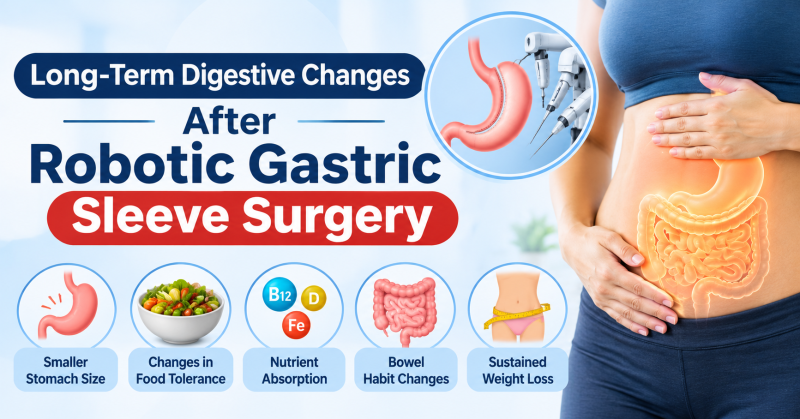
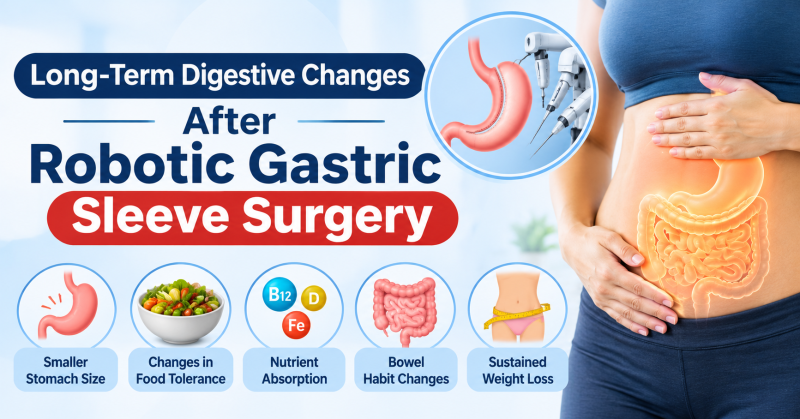
Long-Term Digestive Changes After Robotic Gastric Sleeve Surgery
 Rajan
Most people considering a sleeve gastrectomy focus on the weight-loss numbers. Far fewer ask what digestion will feel like five or ten years later. That is an important question, because the operation permanently changes the stomach, and the changes go beyond eating less.
This guide explains the long-term digestive effects, how to manage them, and what to look for when searching for the best robotic sleeve surgeon in Delhi.
What Happens to the Stomach During a Sleeve Gastrectomy
In a gastric sleeve, the surgeon removes roughly 75 to 80 percent of the stomach, leaving a narrow, banana-shaped tube. A robotic approach uses a console-controlled system with magnified 3D vision and precise instruments, which can help with accurate stapling and suturing. The permanent anatomy is the same whether the operation is done robotically or laparoscopically.
Two changes drive most long-term digestive effects:
- Smaller capacity. The stomach holds only a fraction of its former volume.
- Hormonal shift. The portion removed produces much of the hunger hormone ghrelin, so appetite drops.
Common Long-Term Digestive Changes
1. Acid Reflux and HeartburnReflux is the most discussed long-term effect. The sleeve is a higher-pressure tube, and the valve at the lower end of the food pipe can be affected. Some people develop new reflux, and some find existing reflux worsens.
- Symptoms include burning in the chest, sour taste, or regurgitation
- Most cases respond to dietary changes and acid-reducing medicines
- Persistent symptoms need review, sometimes with an endoscopy, because long-standing reflux can affect the lining of the food pipe
Feeling full after a few spoonfuls is normal and is the intended effect. Over time, many people can eat somewhat larger portions, but the stomach never returns to its original size.
3. Nausea, Vomiting, and Food IntoleranceEating too fast, taking big bites, or not chewing well can cause pain, nausea, or vomiting. Some people find certain foods hard to tolerate, commonly dry chicken, red meat, doughy bread, and rice. Tolerance is individual and often improves with time.
4. Changes in Bowel HabitsConstipation is common, usually because of lower food and fluid intake. Others develop looser stools or new lactose intolerance. Adequate water and gradually introduced fiber help most people.
5. Nutrient DeficienciesBecause you eat much less, and because stomach acid and intrinsic factor are reduced, nutrient gaps can appear over the years. These are the ones to watch:
- Vitamin B12
- Iron
- Calcium and vitamin D
- Folate
- Protein
Lifelong supplements and yearly blood tests are standard advice, and they matter more than many patients realize. Deficiencies develop slowly and can cause fatigue, hair thinning, or anemia before anyone connects them to the surgery.
6. GallstonesRapid weight loss raises the risk of gallstones in the first one to two years. Some bariatric teams discuss preventive medication or monitor symptoms closely. If stones cause trouble, the gallbladder can be removed laparoscopically.
Habits That Protect Digestion Long-Term
- Eat slowly. Take small bites and chew each one thoroughly. Meals should take 20 to 30 minutes.
- Prioritize protein. Eat protein first, then vegetables, then carbohydrates.
- Separate food and fluids. Avoid drinking with meals and wait about 30 minutes before and after.
- Limit fizzy drinks, alcohol, and very greasy or spicy food, which can trigger reflux and discomfort.
- Take supplements as prescribed and keep up with annual blood tests.
- Stay active. Regular exercise helps bowel regularity and weight maintenance.
- Attend every follow-up. Weight regain, reflux, or new symptoms are easier to manage when caught early.
Weight Regain and the Stomach Pouch
Some patients notice weight creeping back after several years. Frequent grazing, high-calorie liquids, and large portions can gradually stretch the sleeve and blunt its effect. Early support from a dietitian and surgeon usually helps, and in selected cases a revision procedure may be discussed.
Choosing the Right Surgeon Matters
Long-term outcomes depend on technical precision and on years of follow-up care. When researching the best robotic sleeve surgeon in Delhi, look beyond marketing claims:
- Experience with a large number of bariatric procedures, not just robotic cases
- Whether a dietitian, physician, and psychologist are part of the team
- Transparency about complications, reflux risk, and revision options
- A structured follow-up plan that extends beyond the first year
Patients across the Delhi region often search for the best robotic surgeon in Delhi NCR, and those living in the central and western parts of the city frequently look for the best robotic surgeon in Rajinder Nagar because of its cluster of tertiary hospitals. One option for a consultation is Dr. Tarun Mittal, a senior consultant in laparoscopic and general surgery with a bariatric practice at Sir Ganga Ram Hospital, Sir Ganga Ram Hospital Marg, Old Rajinder Nagar, New Delhi – 110060. Whichever surgeon you consult, ask about the technique used, how reflux is assessed before surgery, and how long they follow patients afterward.
When to Contact Your Bariatric Team
Mild digestive changes are expected. Seek advice promptly if you have:
- Persistent vomiting or inability to keep fluids down
- Severe or worsening heartburn, or difficulty swallowing
- Ongoing abdominal pain
- Black stools or vomiting blood
- Extreme fatigue, hair loss, or numbness and tingling, which may suggest a deficiency
Conclusion
A sleeve gastrectomy changes digestion for life, and understanding that upfront makes the journey smoother. Reflux, smaller meals, food intolerances, bowel changes, and nutrient gaps are all manageable with the right habits and regular monitoring. Choosing the best robotic sleeve surgeon in Delhi is about finding someone who combines surgical skill with honest counseling and long-term follow-up, not just the latest technology. Ask questions, attend every check-up, and report new symptoms early.
This article is for general education and is not a substitute for personal medical advice.
Frequently Asked Questions
1. Does a sleeve gastrectomy cause permanent acid reflux?
Not in everyone. Some people develop new or worse reflux, while others improve as they lose weight. Medication and diet usually control it, and persistent cases need evaluation.
2. Is robotic sleeve surgery better for long-term digestion than laparoscopic surgery?
The final anatomy is the same, so long-term digestive effects are similar. The main differences are in how the surgeon operates, and outcomes depend heavily on the surgeon’s experience and your follow-up care.
3. Will I need supplements for life?
Yes, in most cases. A daily multivitamin, calcium, vitamin D, and B12 are commonly recommended, with additional iron or folate if tests show a need.
4. Can I eat normally years after a sleeve?
You can eat a varied diet, but in much smaller portions. Quality matters more than quantity, with protein first and slow eating.
5. How do I choose the best robotic sleeve surgeon in Delhi for me?
Compare experience, team support, follow-up programs, hospital facilities, and how clearly the surgeon discusses risks. A second opinion is reasonable for any major surgery.
Source:
Click for the: Full Story
You might like



You Might Like this