


 Close Menu
 World
 Biography
 Health
 Education
 Business
 Lifestyle
 Sports
 Technology
 Animals
 History
 Food
 Religious
 Startups
 Movies
 Politics
 Fashion
 Covid
 Diet
 Fitness
 Marketing
 Travel
 Science
 Reviews
 Social media
 Stories
 Facts
 Art
 Entertainment
Rajan

Health
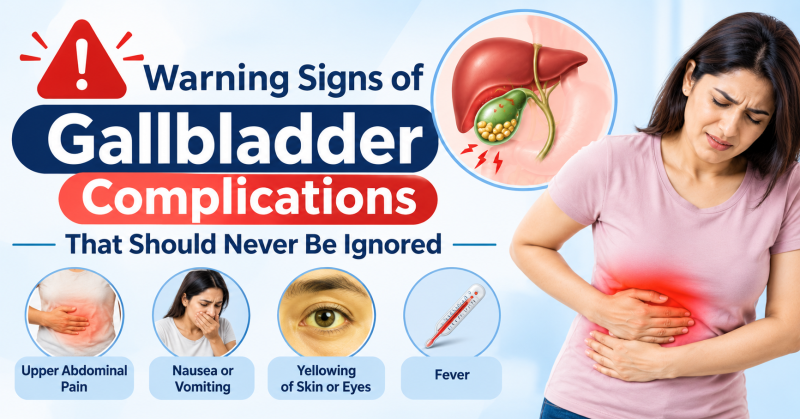
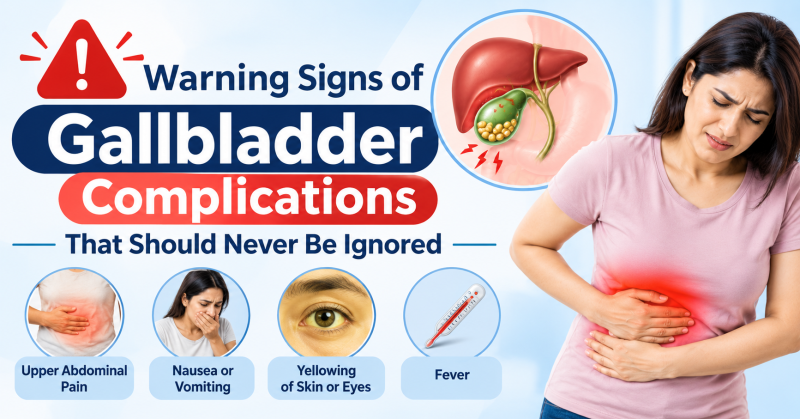
Warning Signs of Gallbladder Complications That Should Never Be Ignored
 Rajan
Gallbladder problems often start quietly. A bit of discomfort after a heavy meal, some bloating, or a dull ache under the ribs is easy to blame on acidity. Gallstones, however, can stay silent for years and then suddenly cause serious complications. Knowing which symptoms are routine and which are red flags can prevent an emergency, and in many cases it explains why doctors recommend gallbladder removal surgery in Central Delhi and elsewhere before a minor problem turns into a major one.
This guide explains the warning signs, what causes them, and what to do next.
What the Gallbladder Does and How Problems Begin
The gallbladder is a small pouch under the liver that stores bile, which helps digest fat. Most gallbladder trouble starts with gallstones, hard deposits formed from cholesterol or bilirubin. Stones can block the ducts that carry bile, causing pain, infection, or inflammation of nearby organs.
Risk factors include being over 40, being female, obesity, rapid weight loss, pregnancy, diabetes, a family history of gallstones, and a diet high in fatty, processed food.
Early Symptoms: Mild but Worth Noting
Not every symptom is an emergency, but these early signs deserve a medical check-up if they keep recurring:
- Bloating or gas after fatty meals
- Indigestion or a feeling of heaviness in the upper abdomen
- Mild nausea after eating
- Occasional pain in the upper right abdomen that settles within an hour or two
These can be signs of gallstones that are not yet causing a blockage. An ultrasound is a simple, painless way to confirm.
Biliary Colic: The Classic Gallstone Attack
When a stone briefly blocks the bile duct, it can cause biliary colic. It usually shows up as:
- Sudden, intense pain in the upper right or middle upper abdomen
- Pain that spreads to the back or the right shoulder blade
- Pain lasting 30 minutes to several hours, often starting after a meal or at night
- Nausea or vomiting
Biliary colic is a signal that the problem is active. Repeat attacks are common, and each one raises the chance of a complication.
Red-Flag Symptoms That Need Urgent Care
Seek medical help the same day if you notice any of these:
- Pain lasting more than five hours, or pain so severe you cannot sit still
- Fever or chills with abdominal pain, which may indicate infection or acute cholecystitis
- Yellowing of the skin or eyes (jaundice), suggesting a stone blocking the common bile duct
- Dark urine and pale or clay-colored stools, another sign of bile flow obstruction
- Persistent vomiting that stops you from keeping fluids down
- Severe pain radiating to the back with vomiting, which may point to gallstone pancreatitis
- Rapid heartbeat, confusion, or extreme weakness, which can signal a serious infection
Do not wait for these to pass on their own or rely on painkillers alone.
Common Gallbladder Complications Explained
Acute cholecystitis is inflammation of the gallbladder, usually caused by a stone blocking the cystic duct. It causes constant pain, tenderness, and fever.
Choledocholithiasis means a stone has moved into the common bile duct, which can cause jaundice and infection.
Cholangitis is an infection of the bile ducts and is a medical emergency.
Gallstone pancreatitis occurs when a stone blocks the pancreatic duct, causing severe pain and vomiting.
Gangrene or perforation can occur if inflammation is left untreated, leading to life-threatening infection.
How Doctors Diagnose the Problem
Diagnosis usually involves a physical exam, blood tests (including liver function and infection markers), and an abdominal ultrasound. In some cases, additional imaging such as CT, MRCP, or HIDA scanning is used to look at the bile ducts more closely.
When Is Surgery Recommended?
If gallstones are causing symptoms or complications, removing the gallbladder is the standard long-term solution, because stones tend to return when the organ remains. Most operations today are laparoscopic (keyhole), which involves small incisions, less pain, a short hospital stay, and a quicker return to daily life. People can live normally without a gallbladder, with some dietary adjustment during recovery.
Symptom-free stones found incidentally often need only monitoring. Your surgeon will weigh your symptoms, test results, and overall health before advising.
Choosing a Surgeon for Gallbladder Surgery
The surgeon’s experience and the quality of post-operative guidance matter. When researching the best gallbladder removal surgery in Delhi, look at laparoscopic experience, how clearly the surgeon explains the options, hospital facilities, and what follow-up care is included.
Many patients in West and Central Delhi specifically look for the best gallbladder removal surgery in Rajinder Nagar because multiple established hospitals are located there. One option is Dr. Tarun Mittal, a senior consultant in laparoscopic and general surgery at Sir Ganga Ram Hospital, Sir Ganga Ram Hospital Marg, Old Rajinder Nagar, New Delhi – 110060. Whoever you consult, ask about the surgical approach, expected recovery, and what symptoms should prompt an urgent call afterward.
Practical Steps If You Suspect a Gallbladder Problem
- Note when symptoms occur and what you ate beforehand
- Avoid very fatty or fried meals until you are evaluated
- Get an ultrasound if you have repeated upper abdominal pain
- Do not ignore fever, jaundice, or severe pain
- Go to the emergency department if red-flag symptoms appear
Conclusion
Gallbladder complications rarely appear without warning. Recurrent upper abdominal pain, fatty-meal intolerance, fever, jaundice, or dark urine are signals to act rather than wait. Early evaluation and timely gallbladder removal surgery in Central Delhi, performed by an experienced laparoscopic surgeon, can prevent emergencies and restore comfortable digestion. If something feels wrong, get it checked sooner rather than later.
This article is for general education and is not a substitute for personal medical advice.
Frequently Asked Questions
1. Can gallstones go away on their own?
Stones may pass in some cases, but they commonly recur. Medicines that dissolve stones are slow and not reliable for most people, which is why surgery is the usual solution for symptomatic stones.
2. Is gallbladder pain different from acidity?
Gallbladder pain tends to be sharper, located in the upper right abdomen, and often triggered by fatty meals. It can radiate to the back or shoulder. Acidity is typically a burning sensation higher in the chest or upper stomach.
3. How urgent is gallbladder removal surgery in Central Delhi if I have repeated attacks?
Repeated attacks raise the risk of complications such as infection or pancreatitis, so most surgeons advise planned surgery rather than waiting. If you have fever, jaundice, or severe pain, seek care immediately.
4. How long is recovery after laparoscopic gallbladder surgery?
Most people go home within a day or two and return to light work in about one to two weeks, though this varies with individual health and the complexity of the case.
5. Can I live a normal life without a gallbladder?
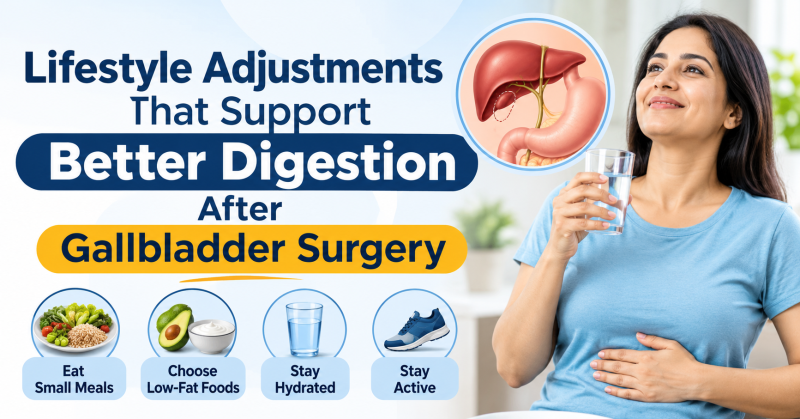
Yes. The liver continues to produce bile. Some people have loose stools or bloating for a few weeks, which usually settles with small, low-fat meals.
Source:
Click for the: Full Story
You might like






You Might Like this