Close Menu
 World
 Biography
 Health
 Education
 Business
 Lifestyle
 Sports
 Technology
 Animals
 History
 Food
 Religious
 Startups
 Movies
 Politics
 Fashion
 Covid
 Diet
 Fitness
 Marketing
 Travel
 Science
 Reviews
 Social media
 Stories
 Facts
 Art
 Entertainment
Mia

Health
Understanding the Benefits of Professional Earwax Care in Toronto
 Mia
Earwax is a natural part of ear health. It helps protect the ear canal by trapping dust, debris, and other small particles. Usually, the ears manage wax naturally without requiring special cleaning. However, when too much wax accumulates, it may become impacted and cause uncomfortable symptoms.
Understanding when professional earwax care is appropriate can help protect your ears and avoid unnecessary problems. For people experiencing blocked ears or muffled hearing, learning about professional earwax removal in Toronto can be a useful first step.
Why Does Earwax Build Up?
Earwax is produced by glands in the ear canal. It helps lubricate the skin and protect the ear from unwanted particles.
In normal circumstances, wax gradually moves towards the outer ear and falls away naturally. However, some people produce more wax than others, or their ear canals may make natural removal less effective.
Other factors that may contribute to buildup include:
- Narrow or curved ear canals
- Naturally harder or drier earwax
- Frequent use of earplugs
- Hearing aid use
- Inserting cotton swabs into the ear canal
- Certain skin conditions affecting the ear
Not every person with earwax buildup experiences symptoms. Professional examination can help determine whether removal is necessary.
Signs of Impacted Earwax
When wax blocks the ear canal, it may affect hearing and cause discomfort.
Some possible symptoms include:
Blocked sensation: The ear may feel full or plugged.
Muffled hearing: Sounds may seem quieter or less clear than usual.
Ear discomfort: Some people experience pressure or irritation.
Ringing sounds: Tinnitus may occur or become more noticeable.
Itching: Wax buildup or irritation may cause itching inside the ear.
These symptoms are not exclusive to earwax. Ear infections and other conditions can produce similar experiences, so proper assessment is important.
Why Avoid Removing Earwax Yourself?
Many people use cotton swabs to clean their ears, but inserting them into the ear canal can push wax deeper. This may increase the risk of blockage and irritation.
Other household tools can scratch the ear canal or damage the eardrum.
Ear candles are also not a recommended method of earwax removal because they can cause burns and other injuries without reliably removing wax.
For routine cleaning, gently wiping the outer ear is generally sufficient.
What Happens During Professional Earwax Removal?
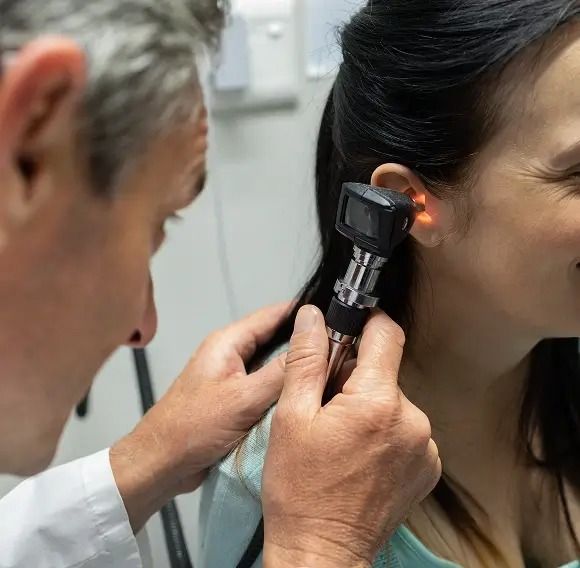
Professional earwax care begins with an examination to understand the condition of the ear canal.
The professional may ask about symptoms, previous ear problems, and any history of ear surgery or eardrum issues.
If impacted wax is identified, an appropriate removal method may be considered. The method depends on the person's ear health and the findings of the examination.
Not every person is suitable for every technique. If there are signs of infection, injury, or another medical concern, further medical evaluation may be recommended.
How Earwax Removal Can Support Hearing
When impacted wax is responsible for blocked or muffled hearing, appropriate removal may improve sound transmission through the ear canal.
However, it is important to understand that earwax removal does not treat all forms of hearing loss. If hearing remains reduced after wax has been addressed, a hearing assessment may be needed to investigate other possible causes.
This is why combining appropriate ear examination with hearing care guidance can be helpful.
Who Should Consider Professional Earwax Care?
People who experience recurring blocked ears may benefit from professional advice. Hearing aid users, individuals with narrow ear canals, and those who frequently use earplugs may also experience recurring wax buildup.
People with a history of ear surgery, eardrum perforation, or chronic ear conditions should seek professional guidance before using ear drops or attempting removal.
When to Seek Medical Attention
Some symptoms require prompt medical assessment rather than routine wax removal.
Seek medical attention for sudden hearing loss, severe pain, discharge, bleeding, significant dizziness, or symptoms following an ear injury.
Do not attempt home removal if these symptoms are present.
Take a Safer Approach to Ear Health
Earwax serves an important protective purpose, so removing it is not always necessary. When buildup causes symptoms, professional assessment can help determine whether treatment is appropriate.
Learn More about earwax removal services in Toronto and explore suitable support for maintaining comfortable, healthy ears.
Source:
Click for the: Full Story
You might like