Close Menu
 World
 Biography
 Health
 Education
 Business
 Lifestyle
 Sports
 Technology
 Animals
 History
 Food
 Religious
 Startups
 Movies
 Politics
 Fashion
 Covid
 Diet
 Fitness
 Marketing
 Travel
 Science
 Reviews
 Social media
 Stories
 Facts
 Art
 Entertainment
Rajan

Health
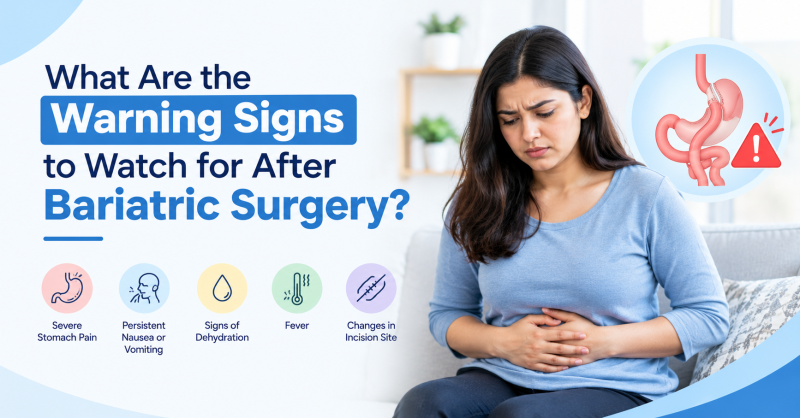
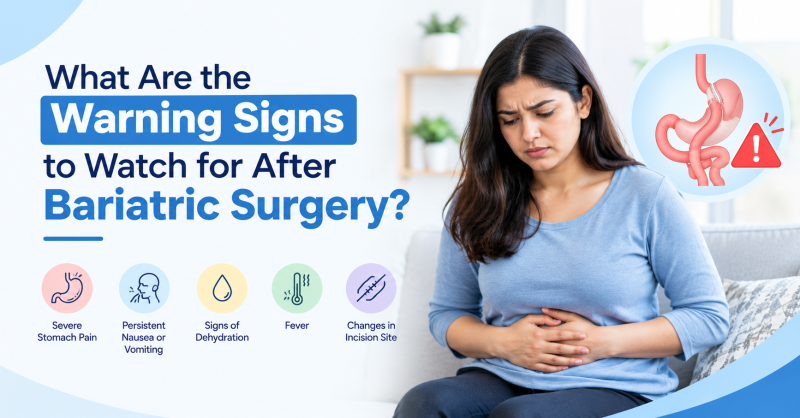
What Are the Warning Signs to Watch for After Bariatric Surgery?
 Rajan
Bariatric surgery is generally safe, and most patients recover without serious problems. But like any major operation, it carries risks, and catching a complication early can make a big difference. If you’re researching the best bariatric surgeon in Delhi, one thing to ask about is how clearly the team explains post-operative warning signs and who you should contact in an emergency.
This guide explains which symptoms are normal, which ones need attention, and which need urgent care, so you can recover with confidence.
What Is Normal After Bariatric Surgery?
Not every discomfort signals a problem. In the first few weeks, it’s common to experience:
- Mild to moderate soreness around the incisions
- Shoulder pain from the gas used during laparoscopic or robotic surgery
- Tiredness and low energy
- Reduced appetite and early fullness
- Mild nausea when you eat too quickly
- Temporary hair thinning, usually after two to four months
These symptoms should improve steadily. Pain, fatigue, or nausea that gets worse instead of better is the cue to call your doctor.
Emergency Warning Signs: Seek Help Immediately
Some symptoms may point to a serious complication and should never be ignored. Contact your surgeon or go to the nearest emergency department if you have any of the following.
Signs of a Leak or Serious Infection
A staple-line or connection leak is uncommon but serious, and it usually appears within the first week or two. Watch for:
- Fast heartbeat (often above 120 beats per minute)
- Fever above 38°C (100.4°F) or chills
- Severe or worsening abdominal pain
- Shortness of breath or a feeling of anxiety or impending doom
- Pain that spreads to the left shoulder or back
Signs of a Blood Clot
Surgery and reduced movement raise the risk of clots in the legs or lungs. Look for:
- Swelling, warmth, redness, or tenderness in one leg
- Sudden chest pain
- Sudden breathlessness or coughing up blood
Signs of Bleeding
- Black, tarry, or bloody stools
- Vomiting blood
- Dizziness, fainting, or a pale, clammy appearance
Warning Signs That Need a Call to Your Surgeon Within 24 Hours
These are less dramatic but still need prompt attention.
- Persistent vomiting. Vomiting that lasts more than a day or stops you keeping fluids down can lead to dehydration.
- Signs of dehydration. These include dark urine, dry mouth, dizziness, extreme tiredness, and passing little urine. Dehydration is one of the most common reasons patients return to hospital.
- Wound problems. Look out for redness, swelling, warmth, or pus around the incisions, or a wound that opens.
- Difficulty swallowing. Food getting stuck, pain on swallowing, or constant regurgitation may suggest swelling or narrowing (stricture).
- Severe constipation or diarrhoea. Either can point to dietary issues or, rarely, an obstruction.
Warning Signs That Can Appear Weeks, Months, or Years Later
Complications don’t always happen right after surgery. Stay alert for these longer-term issues.
- Dumping syndrome: Sweating, palpitations, cramps, or diarrhoea after sugary or fatty meals, more common after gastric bypass.
- Gallstones: Pain in the upper right abdomen, especially after meals, often linked to rapid weight loss.
- Nutritional deficiencies: Hair loss, brittle nails, tingling hands or feet, constant fatigue, pale skin, or poor night vision.
- Acid reflux: Persistent heartburn or chest discomfort, more common after sleeve gastrectomy.
- Internal hernia or bowel obstruction: Sudden, crampy abdominal pain with vomiting, particularly after significant weight loss.
- Marginal ulcers: Burning upper abdominal pain, sometimes linked to smoking or anti-inflammatory painkillers.
- Low blood sugar after meals: Shakiness, sweating, or confusion a few hours after eating.
- Mood changes: Persistent low mood, anxiety, or unhealthy eating patterns, which deserve support just like physical symptoms.
How to Reduce Your Risk of Complications
Most problems can be prevented or caught early with simple habits.
- Follow your dietitian’s stage-by-stage diet exactly.
- Sip fluids throughout the day, and avoid gulping or using straws.
- Take your prescribed vitamins and supplements for life.
- Walk daily to lower clot risk and support recovery.
- Avoid smoking, alcohol, and anti-inflammatory painkillers unless your surgeon approves them.
- Attend every follow-up visit and blood test, even if you feel fine.
Choosing a Surgeon Who Prioritises Aftercare
Surgical skill matters, but so does what happens afterwards. When comparing the best bariatric surgeon in Delhi options, look at the whole care pathway:
- Experience with different procedures and their complications
- Access to a multidisciplinary team, including dietitians and physicians
- A clear emergency plan and 24-hour contact route
- A hospital with proper ICU and emergency backup
Dr. Tarun Mittal is a laparoscopic, bariatric and robotic surgeon at Sir Ganga Ram Hospital, Sir Ganga Ram Hospital Marg, Old Rajinder Nagar, New Delhi, 110060. Patients who want to know how an [experienced bariatric surgeon monitors recovery and manages complications can book a consultation for individual guidance.
Conclusion
Most patients recover smoothly, but knowing the warning signs helps you act early. Severe pain, a fast heartbeat, fever, breathlessness, leg swelling, or bleeding need emergency care, while persistent vomiting, dehydration, and wound changes need a prompt call to your surgeon.
If you’re searching for the best bariatric surgeon in Delhi, choose a team that treats aftercare as seriously as the operation. When you know what to watch for and who to call, you can focus on healing and enjoy the long-term benefits of surgery.
FAQs
1. How soon after bariatric surgery do complications usually appear?
Leaks and bleeding typically occur within the first one to two weeks. Others, such as deficiencies, gallstones, or hernias, can appear months or even years later.
2. Is vomiting normal after bariatric surgery?
Occasional vomiting can happen if you eat too fast or too much. Repeated vomiting, or inability to keep liquids down, needs medical advice.
3. How do I choose the best bariatric surgeon in Central Delhi?
Check the surgeon’s bariatric training, case volume, hospital facilities, and aftercare system. Ask how complications are managed and how easily you can reach the team, and consider meeting more than one surgeon.
4. Can I treat mild symptoms at home?
Mild soreness, fatigue, and occasional nausea often settle with rest and hydration. Anything severe, worsening, or lasting longer than expected should be checked by your doctor.
5. What should I do if I can’t reach my surgeon?
Go to the nearest emergency department and tell them you’ve had bariatric surgery, including the type of procedure and the date.
Source:
Click for the: Full Story
You might like