Close Menu
 World
 Biography
 Health
 Education
 Business
 Lifestyle
 Sports
 Technology
 Animals
 History
 Food
 Religious
 Startups
 Movies
 Politics
 Fashion
 Covid
 Diet
 Fitness
 Marketing
 Travel
 Science
 Reviews
 Social media
 Stories
 Facts
 Art
 Entertainment
Rajan

Health
What Long-Term Lifestyle Changes Are Needed After Gastric Bypass Surgery?
 Rajan
Gastric bypass is not an endpoint. It is a powerful tool that changes how your stomach and intestine work, and what you do with that tool over the following years decides your results. If you’re researching the best robotic bypass surgeon in Delhi, it helps to know that the quality of your surgery matters, but so does the lifestyle you build afterwards.
Most patients lose a large share of their excess weight in the first 12 to 18 months. Keeping that weight off, and staying healthy, depends on permanent changes in eating, movement, supplements, and follow-up care. This guide explains what those changes are and why they matter.
Why Lifestyle Matters After Bypass Surgery
Gastric bypass reduces the size of your stomach and reroutes part of the small intestine. This limits how much you can eat and changes gut hormones that control hunger and blood sugar. It also reduces how well your body absorbs some nutrients.
That combination is why patients need lifelong habits. Without them, there is a risk of:
- Weight regain
- Nutritional deficiencies
- Dumping syndrome (nausea, sweating, and palpitations after sugary meals)
- Loss of muscle along with fat
1. Eat Smaller, Protein-First Meals
Your new stomach pouch holds only a small amount of food, so every bite should count.
- Prioritise protein. Most programmes advise roughly 60 to 80 grams a day, but your dietitian will set your exact target. Good sources are eggs, dal, paneer, fish, chicken, curd, and protein supplements if needed.
- Eat slowly and chew thoroughly. Meals should take 20 to 30 minutes. Eating fast can cause pain, vomiting, or blockage.
- Stop at the first sign of fullness. Overeating stretches the pouch over time.
- Plan three small meals and one or two planned snacks. Avoid constant grazing, which is a common cause of weight regain.
2. Drink Fluids the Right Way
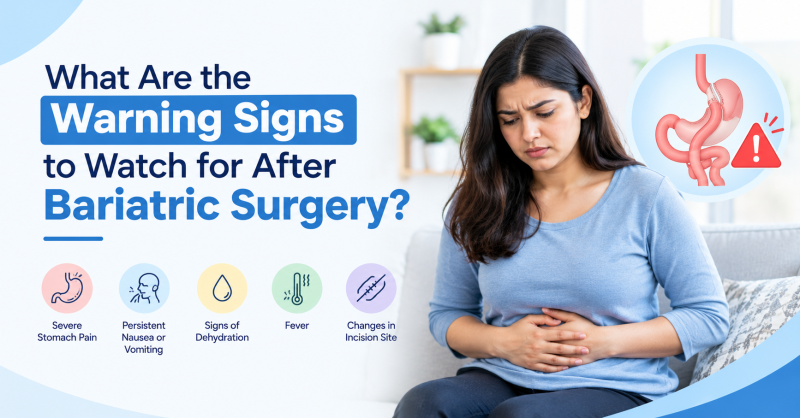
Dehydration is one of the most common problems after bypass.
- Aim for about 1.5 to 2 litres of fluid daily, sipped steadily.
- Avoid drinking with meals. Stop 30 minutes before eating and wait 30 minutes after.
- Skip carbonated and sugary drinks, which cause discomfort and add empty calories.
3. Take Supplements for Life
Because bypass reduces absorption, vitamin and mineral supplements are not optional. Typical recommendations include:
- A daily multivitamin with minerals
- Vitamin B12
- Calcium citrate with vitamin D
- Iron, especially for women who menstruate
Deficiencies can develop slowly and quietly, causing hair loss, fatigue, anaemia, or weak bones. Regular blood tests help catch them early.
4. Build Physical Activity Into Your Routine
Exercise protects muscle, supports weight maintenance, and improves mood and heart health.
- Start with walking within days of surgery.
- Work towards at least 150 minutes of moderate activity a week once your surgeon approves.
- Add resistance training two or three times weekly to preserve muscle.
- Find something enjoyable, such as swimming, cycling, yoga, or a sport, so you stick with it.
5. Be Careful With Alcohol, Smoking, and Medicines
- Alcohol is absorbed faster after bypass, and the effects are stronger. Many programmes advise avoiding it or keeping it minimal.
- Smoking raises the risk of ulcers at the surgical connection and should be stopped completely.
- Painkillers like ibuprofen and diclofenac can cause ulcers in the bypassed stomach. Always check with your doctor before taking them.
6. Look After Your Mental Health
Rapid weight loss can bring unexpected emotions. Some people feel anxious about body image or miss using food for comfort. Others experience a shift in relationships or social habits.
Helpful steps include:
- Joining a bariatric support group
- Seeing a counsellor if you notice emotional eating
- Keeping realistic expectations about loose skin and plateaus
7. Keep Up With Follow-Up Visits
Regular follow-up is one of the strongest predictors of long-term success. A common schedule is visits at 1, 3, 6, and 12 months, then yearly for life. Each visit usually includes weight checks, blood tests, and diet review.
Women planning pregnancy are generally advised to wait 12 to 18 months after surgery so that weight loss stabilises and nutrition is adequate.
How to Choose a Surgeon Who Supports Long-Term Success
Good bariatric care does not end when you leave the operating theatre. When comparing the best robotic bypass surgeon in Delhi options, look beyond technique. Ask about:
- Experience in robotic bariatric procedures and outcomes
- Access to dietitians, physicians, and psychologists
- A structured, long-term follow-up plan
- Hospital infrastructure and emergency backup
Dr. Tarun Mittal is a laparoscopic, bariatric and robotic surgeon at Sir Ganga Ram Hospital, Sir Ganga Ram Hospital Marg, Old Rajinder Nagar, New Delhi, 110060. Patients who want to understand how a [robotic bariatric surgeon approaches both the operation and lifelong follow-up can request a consultation for personalised guidance.
Conclusion
Gastric bypass can transform your health, but lasting results come from lasting habits: protein-rich small meals, proper hydration, lifelong supplements, regular exercise, careful medication use, emotional support, and consistent follow-up.
If you’re searching for the best robotic bypass surgeon in Delhi, choose a team that supports you well beyond the day of surgery. The operation gives you a strong start, and the choices you make every day decide how long the benefits last.
FAQs
1. Do I have to follow a special diet for life after gastric bypass?
You won’t stay on liquids or purees forever, but healthy habits stay for life. These include protein-first meals, small portions, limited sugar, and mindful eating.
2. Can I regain weight after gastric bypass?
Yes. Some regain is common after the first two years, especially with grazing, sugary drinks, or low activity. Regular follow-up and consistent habits help prevent it.
3. How do I find the best gastric bypass surgeon in Sir Ganga Ram Hospital?
Check the surgeon’s bariatric training, volume of cases, and aftercare process. Ask how they manage complications and long-term follow-up, and consider meeting more than one surgeon before deciding.
4. Which supplements are needed after gastric bypass?
Most patients need a multivitamin, vitamin B12, calcium with vitamin D, and often iron. Your doctor will adjust these based on blood tests.
5. When can I start exercising after surgery?
Walking begins almost immediately. Structured exercise, including strength training, usually starts after a few weeks once your surgeon clears you.
Source:
Click for the: Full Story
You might like