Close Menu
 World
 Biography
 Health
 Education
 Business
 Lifestyle
 Sports
 Technology
 Animals
 History
 Food
 Religious
 Startups
 Movies
 Politics
 Fashion
 Covid
 Diet
 Fitness
 Marketing
 Travel
 Science
 Reviews
 Social media
 Stories
 Facts
 Art
 Entertainment
Rajan

Health
When Can You Return to Work After Robotic Gastric Bypass Surgery?
 Rajan
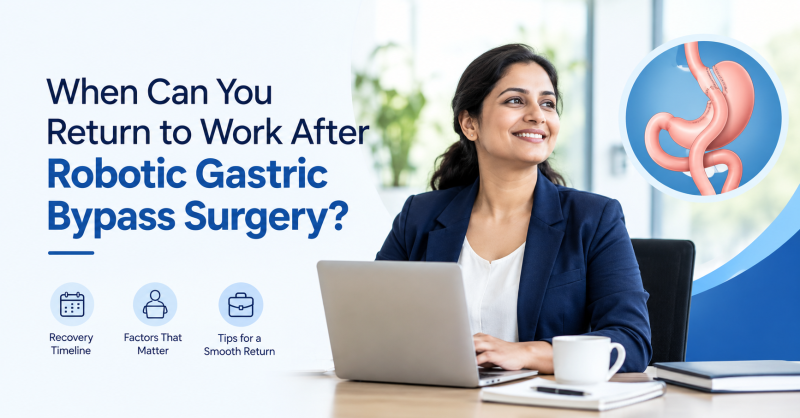
Once surgery is fixed, one practical question follows: how soon can I get back to my job? If you’re researching the best robotic bypass surgeon in Delhi, you’ve probably noticed that recovery time is one of the biggest concerns for working patients.
Robotic gastric bypass uses small incisions and precise instruments, which generally means less pain and a quicker return to routine than open surgery. Still, every patient heals differently. A safe return depends on your job, your health, and how your body responds.
This guide covers typical timelines, what affects them, and how to ease back into work without setbacks.
Why Recovery Is Often Faster With Robotic Surgery
In robotic gastric bypass, the surgeon operates through a few small keyhole incisions. A robotic system provides a magnified 3D view and highly precise instrument movement. Compared with open surgery, this approach is generally associated with:
- Smaller scars and less post-operative pain
- A shorter hospital stay, often 2 to 3 days
- Lower risk of wound complications
- Earlier walking and resumption of daily activities
Faster does not mean instant. Your body still needs time to heal internally, and your new digestive anatomy needs time to settle.
Typical Timeline for Returning to Work
These are general ranges. Your surgeon’s advice for your case always comes first.
Desk or Remote Work: 1 to 2 Weeks
Most people with sedentary jobs return within one to two weeks. Many start with remote work or reduced hours. Fatigue is common in the first week because you’re eating very little and your body is healing.
Moderately Active Jobs: 2 to 4 Weeks
If you’re on your feet, travel often, or have long workdays, such as teaching, retail, or sales, plan for two to four weeks. Short, frequent breaks help during the early days.
Physically Demanding Jobs: 4 to 6 Weeks or More
Jobs involving heavy lifting or prolonged strenuous activity usually need four to six weeks, sometimes longer. Surgeons commonly advise against lifting heavy weights for about four to six weeks so the abdominal wall can heal properly.
Factors That Affect Your Return Date
Two people with the same job can return at different times. Key factors include:
- Overall health: Diabetes, heart or lung conditions, and sleep apnoea can slow recovery.
- Pre-operative fitness: Better fitness often supports smoother healing.
- Complications: Infection, dehydration, or persistent nausea can delay your return.
- Job demands: Lifting, travelling, and long hours all matter.
- Nutrition and hydration: Under-eating or poor fluid intake can leave you drained.
What to Expect During the First Weeks
Week 1: Rest, short walks, and a liquid diet. Tiredness, mild soreness, and shoulder pain from the gas used during surgery are common.
Weeks 2 to 3: Energy improves gradually. Most patients move to pureed foods and feel ready for light work.
Weeks 4 to 6: Soft foods are introduced, and most restrictions ease. Many people feel close to their normal routine by now.
Tips for a Smooth Return to Work
- Start gradually. Consider half days or a hybrid schedule for the first week.
- Carry water at all times. Dehydration is a common reason patients feel unwell after bypass. Sip small amounts throughout the day.
- Pack your meals. Bring small, protein-rich portions so you don’t skip meals.
- Take supplements on schedule. Vitamins and minerals are essential after gastric bypass.
- Plan short walking breaks. They help circulation and energy.
- Talk to your employer. You may need flexibility for meals, hydration, and follow-up visits.
- Avoid heavy lifting until your surgeon clears you.
Warning Signs: When to Pause and Call Your Surgeon
Don’t push through these symptoms:
- Fever or chills
- Severe or worsening abdominal pain
- Persistent vomiting or inability to keep fluids down
- Redness, swelling, or discharge from incisions
- Shortness of breath, chest pain, or a fast heartbeat
- Swelling or pain in one leg
How to Choose the Best Robotic Bypass Surgeon in Delhi for a Smooth Recovery
Your recovery experience depends heavily on surgical skill and the quality of follow-up care. When comparing the best robotic bypass surgeon in Delhi options, look at these factors:
- Experience with robotic bariatric procedures and documented outcomes
- Hospital infrastructure, ICU backup, and a multidisciplinary team including dietitians
- Clear guidance on diet, activity, and return to work
- A structured follow-up schedule
Dr. Tarun Mittal is a laparoscopic, bariatric and robotic surgeon at Sir Ganga Ram Hospital, Sir Ganga Ram Hospital Marg, Old Rajinder Nagar, New Delhi, 110060. Patients who want to understand how a robotic bariatric surgeon plans the procedure and recovery can book a consultation for a personalised timeline.
Conclusion
Most people return to desk work within one to two weeks after robotic gastric bypass. Active jobs may take two to four weeks, and heavy physical work four to six weeks or more. The right timeline depends on your health, your job, and how well you follow your post-operative plan.
A gradual return keeps recovery on track, while rushing back can cause setbacks. If you’re searching for the best robotic bypass surgeon in Delhi, choose a team that explains recovery clearly and supports you after you leave the hospital. Plan your leave, prepare your workplace, and follow medical advice for a smoother return.
FAQs
1. Can I go back to work one week after robotic gastric bypass?
If you have a desk job and feel well, yes, often in a reduced or remote capacity. Fatigue is common, so don’t expect full productivity yet.
2. When can I drive after the surgery?
Most patients can drive once they’re off prescription painkillers and can brake and turn comfortably, usually within one to two weeks. Confirm with your surgeon.
3. How long should I avoid lifting after robotic gastric bypass?
Surgeons usually recommend avoiding heavy lifting for about four to six weeks. Your exact restriction depends on your recovery and job.
4. How do I find the best gastric bypass surgeon in Sir Ganga Ram Hospital?
Check the surgeon’s bariatric training, volume of robotic cases, and post-operative care process. Ask how they handle complications and how they guide return to work. Reading patient experiences and meeting more than one surgeon can also help.
5. Will I feel tired when I return to work?
Yes, many people do for the first few weeks. Reduced calorie intake, healing, and adjusting to new eating habits all play a part. Rest, hydration, and protein help.
Source:
Click for the: Full Story
You might like