Close Menu
 World
 Biography
 Health
 Education
 Business
 Lifestyle
 Sports
 Technology
 Animals
 History
 Food
 Religious
 Startups
 Movies
 Politics
 Fashion
 Covid
 Diet
 Fitness
 Marketing
 Travel
 Science
 Reviews
 Social media
 Stories
 Facts
 Art
 Entertainment
Rimsha Ceo

Health
Best Oral Exams in Sherwood Park: Protect Your Smile
 Rimsha Ceo
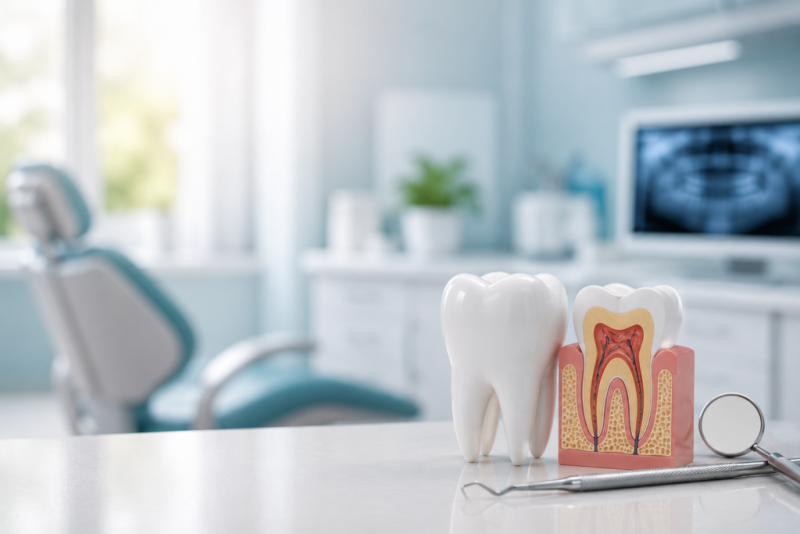
Good oral health involves more than brushing and flossing every day. Even people who maintain consistent dental hygiene can develop cavities, gum inflammation, enamel damage, or other dental concerns without noticing immediate symptoms. Regular oral examinations help identify these issues early and support healthier teeth and gums over time.
Finding the Best Oral Exams in Sherwood Park means understanding what a comprehensive dental examination should include, how frequently checkups are needed, and why preventive dental care matters. Knowing what happens during an appointment can also make routine visits more comfortable and help patients take an active role in maintaining their oral health.
What Is a Comprehensive Oral Examination?
An oral examination is a professional assessment of the teeth, gums, and other structures inside the mouth. Its purpose is to evaluate overall oral health, identify potential problems, and determine whether additional preventive or restorative treatment is necessary.
Unlike simply checking for cavities, a comprehensive dental exam considers several aspects of oral health.
These may include:
- Teeth and enamel: Checking for cavities, cracks, worn surfaces, and damaged restorations.
- Gum health: Looking for inflammation, bleeding, recession, and signs of periodontal disease.
- Bite alignment: Evaluating how the upper and lower teeth come together.
- Soft tissues: Examining the tongue, cheeks, lips, and other oral tissues for unusual changes.
- Existing dental work: Assessing fillings, crowns, bridges, and other restorations for signs of damage or wear.
Depending on the patient's dental history and individual needs, the dentist may also recommend dental X-rays to examine areas that cannot be assessed through a visual examination alone.
Why Are Regular Oral Exams Important?
Many dental conditions develop gradually. A small cavity, for example, may not cause discomfort during its early stages. Similarly, gum disease can progress without obvious symptoms.
Regular dental examinations provide an opportunity to identify these concerns before they become more complicated.
1. Early Detection of Tooth Decay
Cavities develop when bacteria produce acids that gradually weaken tooth enamel. During an examination, the dentist checks for early signs of decay and recommends appropriate treatment.
Identifying dental cavities early may help prevent more extensive damage and reduce the need for complicated restorative procedures.
2. Monitoring Gum Health
Healthy gums are essential for supporting natural teeth. Gum inflammation, persistent bleeding, and recession may indicate developing periodontal problems.
An oral examination helps evaluate gum condition and identify whether professional cleaning or additional periodontal care is needed.
3. Identifying Oral Health Changes
Dentists also examine soft tissues to identify unusual sores, patches, lumps, or other changes. Some abnormalities may be harmless, while others require further investigation.
Routine examinations help ensure that concerning changes receive appropriate attention.
4. Protecting Existing Dental Work
Fillings, crowns, and other restorations can wear down or become damaged over time. Regular assessments help determine whether existing dental work remains in good condition or needs attention.
What Happens During a Professional Dental Exam?
Understanding the examination process can help patients feel more prepared for their appointments. Although the exact steps vary, a typical oral health assessment includes several important stages.
Reviewing Medical and Dental History
The dentist may ask about previous dental procedures, current medications, medical conditions, and any recent changes in oral health.
This information helps create an appropriate examination and preventive care plan.
Examining Teeth and Gums
The dentist checks individual teeth for cavities, fractures, enamel erosion, and other concerns. The gums are also assessed for inflammation, bleeding, and signs of periodontal disease.
Checking the Bite and Jaw
Bite alignment and jaw movement may be evaluated to identify potential concerns such as uneven tooth contact, discomfort, or signs of teeth grinding.
Dental Imaging When Necessary
X-rays may be recommended when additional information is needed. They can help reveal hidden cavities, bone changes, impacted teeth, and problems around existing restorations.
Not every patient requires X-rays at every visit. Their use should depend on individual clinical needs.
Discussing Recommendations
After the examination, the dentist explains any findings and discusses suitable treatment or preventive measures. Patients can also ask questions about brushing techniques, flossing, dietary habits, and other aspects of daily oral hygiene.
How Often Should You Schedule an Oral Examination?
The ideal frequency of dental examinations depends on individual oral health needs. Many people benefit from checkups every six months, but this is not a universal requirement.
Patients with a history of gum disease, frequent cavities, certain medical conditions, or other dental concerns may need more frequent monitoring.
On the other hand, individuals with consistently healthy teeth and gums may be advised to follow a different schedule.
Your dentist can recommend an appropriate examination frequency based on your dental history, current condition, and risk factors.
What to Look for When Choosing a Dental Examination Service
Choosing the right dental provider involves more than scheduling the earliest available appointment. A good oral examination should be thorough, clearly explained, and focused on the patient's individual needs.
Consider the following factors when evaluating dental care:
Comprehensive Assessments: Look for examinations that evaluate teeth, gums, bite alignment, and oral tissues rather than focusing only on cavities.
Clear Communication: Dental professionals should explain their findings in understandable language and discuss treatment recommendations without unnecessary pressure.
Preventive Approach: A strong preventive care plan should include practical guidance on oral hygiene, regular monitoring, and ways to reduce dental risks.
Personalized Recommendations: Dental needs differ from person to person, so examination schedules and treatment plans should reflect individual circumstances.
Comfortable Experience: A welcoming environment and opportunities to ask questions can make routine dental visits less stressful.
The Sherwood Park Dental Care Centre provides information about preventive dental services, including professional oral examinations. Patients can explore its oral examination and preventive care information to understand what a dental assessment may involve.
Simple Habits That Support Better Oral Health
Professional dental examinations work best when combined with consistent daily habits.
Brush twice daily using fluoride toothpaste and a soft-bristled toothbrush. Clean between your teeth every day with dental floss or another suitable interdental cleaning tool.
Limit frequent consumption of sugary foods and drinks, drink water regularly, and avoid tobacco products. These habits can help reduce the risk of tooth decay and gum disease.
It is equally important to pay attention to changes such as persistent bad breath, bleeding gums, tooth sensitivity, or unexplained discomfort. These symptoms should be discussed with a dental professional rather than ignored until the next routine appointment.
Conclusion
Regular oral examinations are an essential part of maintaining healthy teeth, gums, and overall oral well-being. They help identify potential dental problems, monitor existing conditions, and provide personalized guidance for better preventive care.
When considering the Best Oral Exams in Sherwood Park, focus on comprehensive assessments, clear communication, and recommendations that address individual dental needs. Combining professional examinations with consistent home care can help protect your smile and support long-term oral health.
Source:
Click for the: Full Story
You might like