Close Menu
 World
 Biography
 Health
 Education
 Business
 Lifestyle
 Sports
 Technology
 Animals
 History
 Food
 Religious
 Startups
 Movies
 Politics
 Fashion
 Covid
 Diet
 Fitness
 Marketing
 Travel
 Science
 Reviews
 Social media
 Stories
 Facts
 Art
 Entertainment
Rimsha Ceo

Health
Gum Disease and Bad Breath: Causes, Care and Treatment
 Rimsha Ceo
Bad breath is more than an occasional inconvenience. When unpleasant mouth odour continues despite regular brushing, it may indicate an underlying oral health problem. One common cause is gum disease, a condition that develops when bacteria accumulate around the teeth and irritate the surrounding gum tissue.
Finding reliable Gum Disease and Bad Breath Treatment Near Me in SE Calgary starts with understanding why these problems occur and how they are connected. Although mouthwash and breath fresheners may temporarily mask unpleasant odours, addressing the underlying cause is essential for maintaining healthy gums and fresh breath.
Understanding the Connection Between Gum Disease and Bad Breath
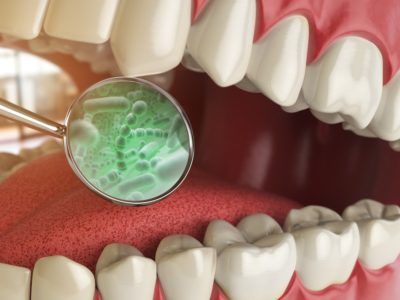
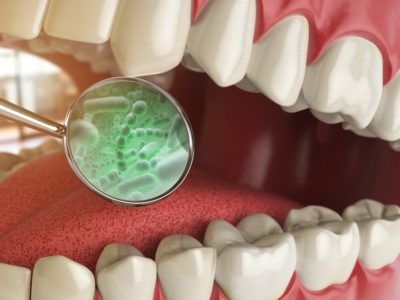
Gum disease, also known as periodontal disease, develops when plaque accumulates along the gumline. Plaque is a sticky film containing bacteria that forms naturally on teeth throughout the day.
When plaque is not removed effectively, it can harden into tartar, which cannot be eliminated through ordinary brushing and flossing. The bacteria associated with plaque and tartar can irritate the gums, leading to inflammation and infection.
These bacteria may also release unpleasant-smelling compounds that contribute to persistent bad breath, medically known as halitosis.
Gum disease generally progresses through different stages:
- Gingivitis: The earliest stage, characterized by red, swollen, or bleeding gums. It is generally reversible with appropriate professional care and improved oral hygiene.
- Periodontitis: An advanced condition in which inflammation damages the tissues and bone supporting the teeth. It requires professional periodontal treatment and ongoing maintenance.
Recognizing these stages can help people understand why early intervention matters.
Common Signs of Gum Disease
Bad breath is not the only symptom associated with unhealthy gums. Several warning signs may indicate that bacteria are affecting the tissues surrounding the teeth.
1. Persistent Bad Breath
If unpleasant breath continues even after brushing, flossing, and cleaning the tongue, bacteria may be accumulating in areas that regular oral hygiene cannot adequately reach.
2. Bleeding Gums
Healthy gums generally should not bleed during normal brushing or flossing. Frequent bleeding may indicate inflammation caused by plaque buildup.
3. Redness and Swelling
Gums affected by gingivitis may appear darker, redder, or more swollen than usual. They may also feel tender when touched.
4. Gum Recession
When periodontal disease progresses, gum tissue may gradually pull away from the teeth, making them appear longer and exposing sensitive root surfaces.
5. Loose Teeth or Changes in Bite
Advanced periodontal disease can damage the supporting structures around teeth. This may result in tooth mobility, changes in how teeth fit together, or discomfort while chewing.
Anyone experiencing these symptoms should arrange a dental examination rather than relying solely on home remedies.
What Causes Persistent Bad Breath?
Although gum disease is a common contributor, it is not the only possible cause of halitosis.
Other factors include:
- Inadequate brushing and flossing.
- Bacteria accumulating on the tongue.
- Food particles trapped between teeth.
- Dry mouth caused by reduced saliva production.
- Smoking or tobacco use.
- Certain foods and beverages.
- Poorly maintained dental appliances.
- Some medical conditions affecting the mouth, nose, throat, or digestive system.
Saliva plays an important role in controlling oral bacteria and washing away food particles. When the mouth becomes dry, odour-producing bacteria can accumulate more easily.
Identifying the specific cause is important because effective treatment depends on the underlying problem.
Effective Gum Disease and Bad Breath Treatment Options
The appropriate treatment depends on the severity of gum disease and the factors contributing to unpleasant breath.
Professional Dental Cleaning
For patients with plaque and tartar accumulation, professional dental cleaning is an important starting point. A dental hygienist removes deposits from tooth surfaces and around the gumline that regular brushing cannot eliminate.
Scaling and Root Planing
When periodontal disease has progressed beyond gingivitis, deeper cleaning may be necessary.
Scaling removes plaque and tartar from below the gumline, while root planing smooths the root surfaces to help gum tissue heal and reattach where possible.
Periodontal Maintenance
Patients with a history of gum disease may require more frequent professional maintenance appointments. These visits help monitor gum health and manage bacterial buildup.
Treating Dry Mouth and Other Causes
If reduced saliva production contributes to bad breath, a dental professional may recommend appropriate hydration habits, saliva-supporting products, or an assessment of possible contributing medications and conditions.
Treating the actual cause is more effective than repeatedly masking unpleasant odours with breath mints or mouthwash.
Daily Habits That Support Healthy Gums and Fresh Breath
Professional treatment works best when supported by consistent oral hygiene habits.
Consider incorporating these practices into your daily routine:
Brush Twice Daily: Use a soft-bristled toothbrush and fluoride toothpaste. Pay attention to the gumline, where plaque commonly accumulates.
Floss Every Day: Cleaning between teeth removes food particles and plaque from areas that toothbrush bristles cannot easily reach.
Clean Your Tongue: Bacteria can accumulate on the tongue's surface and contribute to unpleasant breath. Use a tongue scraper or toothbrush gently.
Drink Enough Water: Staying hydrated supports saliva production and helps maintain a healthier oral environment.
Avoid Tobacco Products: Smoking and tobacco use can contribute to gum problems and persistent bad breath.
Schedule Regular Dental Checkups: Professional examinations help identify early signs of gum inflammation before more extensive damage develops.
Consistency is more important than relying on occasional intensive cleaning or temporary breath-freshening products.
Choosing Professional Care for Gum Health
Persistent bad breath should not automatically be treated as a hygiene problem. When it is associated with bleeding gums, swelling, or gum recession, professional evaluation becomes particularly important.
Calgary South Dental provides information about dental care for gum disease and bad breath, including approaches to identifying and managing underlying periodontal concerns. Patients can explore its gum health and bad breath treatment information to better understand available care options.
A dental professional can assess gum health, identify contributing factors, and recommend a treatment plan based on individual needs.
Conclusion
Gum disease and persistent bad breath are often connected through bacterial buildup and inflammation around the teeth. While everyday oral hygiene plays an essential role in prevention, established periodontal problems may require professional cleaning and specialized treatment.
Anyone researching Gum Disease and Bad Breath Treatment Near Me in SE Calgary should focus on identifying the underlying cause rather than simply masking unpleasant odours. With timely dental care, consistent oral hygiene, and appropriate periodontal maintenance, it is possible to support healthier gums and fresher breath over the long term.
Source:
Click for the: Full Story
You might like