Close Menu
 World
 Biography
 Health
 Education
 Business
 Lifestyle
 Sports
 Technology
 Animals
 History
 Food
 Religious
 Startups
 Movies
 Politics
 Fashion
 Covid
 Diet
 Fitness
 Marketing
 Travel
 Science
 Reviews
 Social media
 Stories
 Facts
 Art
 Entertainment
Deepak

Health
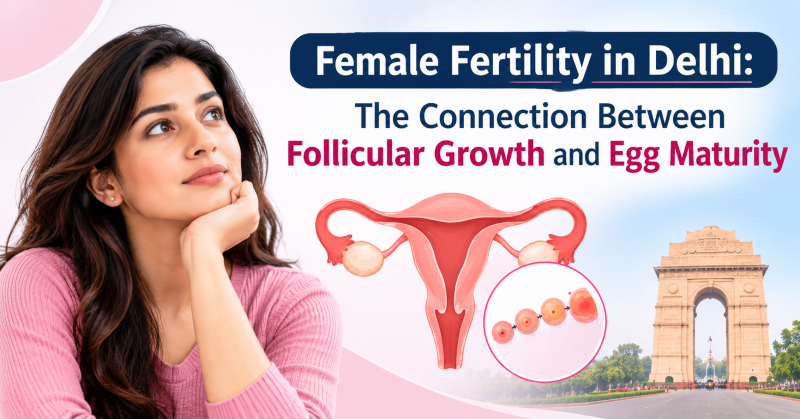
Female Fertility in Delhi: The Connection Between Follicular Growth and Egg Maturity
 Deepak
If you have ever had a follicle scan during a fertility check-up, you may have heard your doctor say, “The follicle is growing well” or “It is not yet mature.” These phrases can be confusing. Many women ask whether a growing follicle automatically means a healthy, mature egg, and what it means for their chances of conceiving.
Understanding this connection is a useful starting point for anyone exploring female fertility in Delhi, because it explains why monitoring ovulation is more than just counting days on a calendar.
What Is a Follicle?
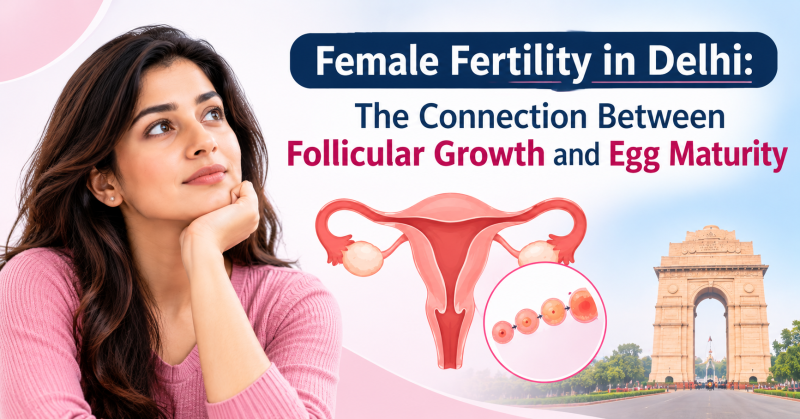
A follicle is a small, fluid-filled sac inside the ovary that houses an immature egg (oocyte). A woman is born with a finite number of these. Each month, a group of follicles starts to develop, but usually only one becomes dominant and releases an egg at ovulation.
Think of the follicle as a protective nursery. It supplies the egg with hormones and nutrients as it develops, which is why the two are closely linked.
How Follicular Growth Works
Follicular development happens in the first half of the menstrual cycle, known as the follicular phase. The process is guided by hormones:
- FSH (follicle-stimulating hormone) from the brain encourages several follicles to begin growing.
- Estradiol, produced by the growing follicles, rises as they develop and thickens the uterine lining.
- LH (luteinising hormone) surges at mid-cycle, triggering the dominant follicle to release its egg.
On ultrasound, a dominant follicle typically grows around 1 to 2 mm a day and is often about 18 to 24 mm when ready to release an egg. These figures are general guides, and individual patterns vary.
Follicle Size vs. Egg Maturity: Are They the Same?
Not exactly. This is one of the most misunderstood points in fertility care.
Follicle size is a visible, measurable sign of development. Egg maturity, however, is a microscopic process that happens inside the egg. For an egg to be considered mature, it must complete a key stage of cell division so that it holds the correct number of chromosomes and can be fertilised.
A follicle of good size usually suggests the egg inside is close to maturity, but it does not confirm it. Ultrasound shows the follicle, not the egg itself. Occasionally, a follicle may reach an expected size and not release an egg, or an egg may not be fully mature or of optimal quality.
This is why doctors interpret follicle scans together with hormone levels, cycle history and, where relevant, other tests.
Why Egg Maturity Matters for Conception
Only a mature egg can be fertilised and develop into an embryo. Even when ovulation occurs on time, the quality of that egg influences fertilisation, early embryo development and implantation.
Egg quality is shaped mainly by age, with genetic and metabolic factors also playing a part. Lifestyle, smoking, certain medical conditions and ovarian health can contribute too. No supplement or routine can reliably “create” mature eggs, but addressing underlying issues can support a healthier environment for ovulation.
Common Problems That Affect Follicular Growth
Several conditions can interfere with how follicles develop:
- PCOS: Many small follicles may develop without one becoming dominant, leading to irregular or absent ovulation.
- Low ovarian reserve: Fewer follicles are available, and the response to hormones may be reduced.
- Thyroid disorders and raised prolactin: These can disturb the hormonal signals that guide follicle growth.
- Unruptured follicle problems: Occasionally, a follicle grows but does not release the egg.
- Significant stress, weight change or intense exercise: These can alter hormone signalling and delay ovulation.
Regular periods do not always guarantee that a mature egg is being released, which is why some women benefit from a closer look.
How Follicular Monitoring Is Done
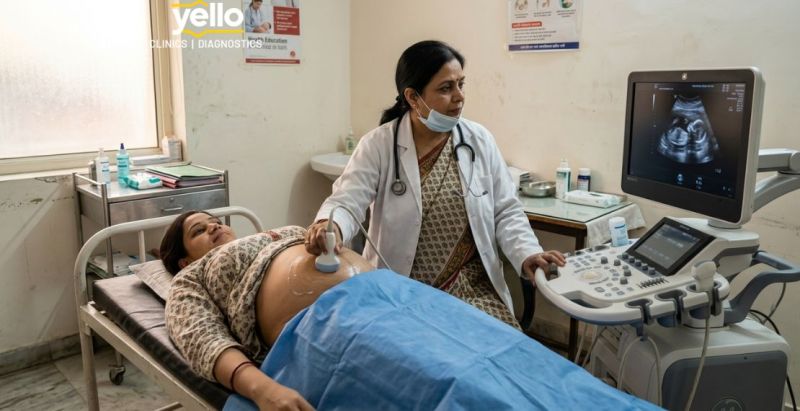
Follicular study, also called a folliculometry or follicle tracking scan, is a simple and painless procedure. A transvaginal ultrasound is performed over several days of the cycle, often starting around day 8 to 10, to track:
- The number of developing follicles
- The size of the leading follicle
- The thickness and pattern of the uterine lining
- Whether the follicle has ruptured after ovulation
Your doctor may combine this with blood tests for hormones. For women who are not ovulating well, gentle ovulation-inducing medication may be considered, with scans to guide timing and reduce the risk of overstimulation. Treatment is always individualised, and results cannot be guaranteed.
When Should You Seek Medical Advice?
Consider consulting a doctor if:
- You are under 35 and have been trying for 12 months without success
- You are 35 or older and have been trying for 6 months
- Your cycles are irregular, very short, very long or absent
- You have PCOS, endometriosis, thyroid disease or a history of ovarian surgery
- You have had earlier cycles where ovulation could not be confirmed
Early assessment often gives clarity, and for many women the cause turns out to be treatable.
Finding the Right Guidance in Delhi
When women search for the best female fertility in Delhi, the most valuable qualities are honest counselling, careful evaluation and a plan matched to the individual, not guarantees. Many start with a consultation with the Best Gynaecologist in Delhi, who can assess the cycle, order the right tests and advise whether further fertility care is needed.
Dr. Poonam Goyal, Gynecologist and Fertility Specialist in Delhi, supports women through ovulation tracking, hormonal assessment and personalised treatment planning, explaining each finding in plain language so that every decision feels informed.
Key Takeaways
- Follicles house the egg and support its development.
- Follicle size is a helpful clue, but it does not confirm egg maturity on its own.
- Hormones guide follicular growth, and imbalances can disrupt it.
- Follicle tracking is a simple, painless way to understand ovulation.
- Timely evaluation helps identify treatable causes of delayed conception.
If you want consultation regarding female fertility concerns, you can visit Dr Poonam Goyal at:
- C-3/63A, 64A, opp. Gokulpuri Police Station, Block C, Panchsheel Hospital, Yamuna Vihar, Shahdara, Delhi, 110053
- HOD IVF & Infertility, Max Superspeciality Hospital, Vaishali
This article is for general education and does not replace personal medical advice. Please consult a qualified doctor for guidance specific to your health.
Frequently Asked Questions
1. What is the ideal follicle size for ovulation?
A dominant follicle is generally around 18 to 24 mm before it releases an egg, though this varies between women and cycles. Your doctor interprets size alongside hormone levels and the uterine lining.
2. Does a good-sized follicle always mean the egg is mature?
No. Follicle size is a useful indicator, but egg maturity is a microscopic process that an ultrasound cannot directly confirm. That is why scans are interpreted along with other clinical information.
3. Can I have regular periods but still have problems with follicular growth?
Yes. Regular bleeding does not always mean ovulation is occurring properly. Some women have cycles in which a follicle grows but does not release an egg, which a follicle tracking scan can help identify.
4. When should a follicular study be done?
It usually begins around day 8 to 10 of the cycle and continues every few days until ovulation is confirmed. Your doctor will adjust the timing to your cycle length and history.
5. Can follicle growth be improved?
It depends on the cause. Treating underlying conditions such as thyroid imbalance or PCOS, maintaining a healthy lifestyle, and, where appropriate, using ovulation-inducing medication under medical supervision can support follicular development. Outcomes vary from person to person.
Source:
Click for the: Full Story
You might like