Close Menu
 World
 Biography
 Health
 Education
 Business
 Lifestyle
 Sports
 Technology
 Animals
 History
 Food
 Religious
 Startups
 Movies
 Politics
 Fashion
 Covid
 Diet
 Fitness
 Marketing
 Travel
 Science
 Reviews
 Social media
 Stories
 Facts
 Art
 Entertainment
Rajan

Health
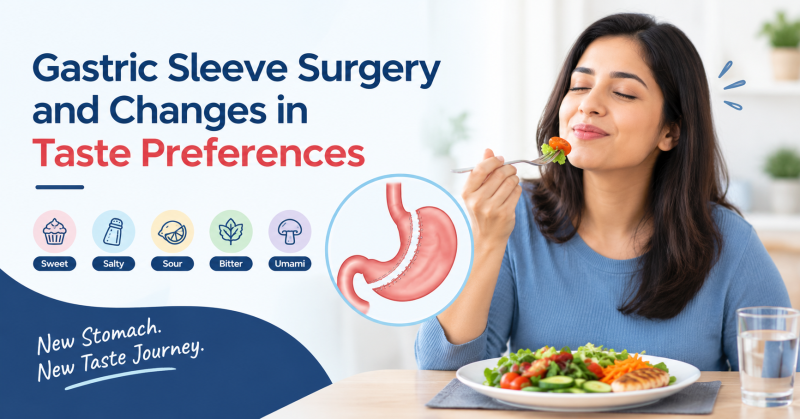
Gastric Sleeve Surgery and Changes in Taste Preferences
 Rajan
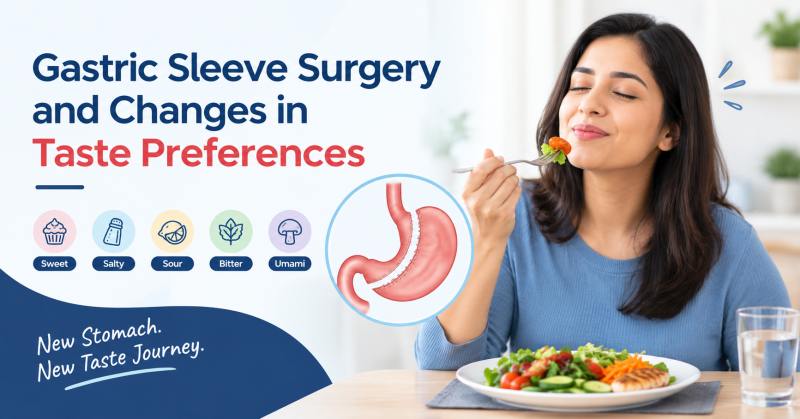
“Nothing tastes the way it used to.” It is one of the most common things patients say in the months after weight loss surgery. Sweets that once felt irresistible may seem too sugary, and a favourite curry may suddenly feel too heavy or too spicy.
These changes are real, well documented, and usually temporary or manageable. Knowing what to expect helps you stay nourished and confident during recovery. It also helps when researching gastric sleeve surgery in Sir Ganga Ram Hospital, because good surgical care includes preparing you for these everyday changes, not just the operation itself.
What Is Gastric Sleeve Surgery?
Sleeve gastrectomy removes about 75 to 80 percent of the stomach, leaving a narrow, banana-shaped “sleeve.” This restricts how much you can eat and also changes the gut hormones that control hunger, fullness, and cravings. These hormonal shifts are a major reason taste preferences change.
Why Do Taste Preferences Change After Gastric Sleeve Surgery?
Researchers believe several factors work together:
- Hormonal changes: The removed portion of the stomach produces ghrelin, the “hunger hormone.” Lower ghrelin levels reduce appetite and may weaken cravings for rich, high-calorie foods.
- Gut-brain signalling: Hormones such as GLP-1 and PYY rise after surgery, influencing how the brain responds to food rewards.
- Altered taste perception: Some patients report that sweet, salty, or bitter tastes feel different, either stronger or duller.
- Smaller portions and slower eating: You notice flavours more when you eat carefully, which can change what you enjoy.
- Medications and supplements: Vitamin and mineral supplements can leave a metallic or unusual aftertaste.
- Temporary recovery effects: Dehydration, reduced intake, and dental or oral changes can dull or distort taste early on.
Common Taste Changes Patients Notice
Every person responds differently, but these patterns are frequently reported:
- Less craving for sweets: Desserts and sugary drinks may feel overly sweet or cause discomfort.
- Aversion to fatty or fried foods: Greasy meals may feel heavy and trigger nausea.
- Dislike of red meat: Many patients find meat dry or hard to chew and shift towards fish, eggs, or dairy.
- Change in spice tolerance: Spicy food may cause reflux or burning, so a once-loved level of heat may feel too strong.
- Coffee and tea differences: Some people find them bitter or acidic.
- Greater enjoyment of simple foods: Fresh fruit, soups, and lightly seasoned dishes often become more appealing.
Are These Changes Permanent?
Not always. Many patients see the strongest shifts in the first six to twelve months, after which tastes tend to settle. Some foods that you disliked early on may become acceptable again, while others may stay off the menu. Taste changes are also not a guarantee. A few people notice very little difference, which is equally normal.
Challenges Taste Changes Can Create
While reduced cravings can support weight loss, taste changes can sometimes cause problems:
- Protein shortfall: If meat, dal, or eggs become unappealing, protein intake may drop.
- Nutritional deficiencies: Avoiding entire food groups can lead to low iron, vitamin B12, calcium, or vitamin D.
- Unhealthy substitutions: Some people lean on soft, processed, or high-sugar foods because they are easier to tolerate.
- Emotional strain: Losing the enjoyment of familiar foods can feel frustrating, especially around festivals and family meals.
Practical Tips to Manage Taste Changes
- Try new textures and cooking styles. If grilled chicken feels dry, try moist preparations such as stews, minced dishes, or paneer.
- Prioritise protein. Use eggs, fish, yoghurt, tofu, lentils, or protein supplements if meat is unappealing.
- Season gently. Herbs and mild spices can add flavour without irritating the pouch.
- Rinse your mouth. Water or a sugar-free mint can help with a metallic taste.
- Stay hydrated. Sip fluids throughout the day, but not during meals.
- Retest foods periodically. Reintroduce a disliked food in a small quantity every few weeks.
- Work with a dietitian. Personalised guidance helps you cover nutritional gaps.
What to Look For in Gastric Sleeve Surgery in Sir Ganga Ram Hospital
Since taste changes, food tolerance, and nutrition shape your daily life after surgery, the quality of your care team matters as much as the procedure. When comparing options for the best gastric sleeve surgery in Central Delhi, consider:
- Surgeon experience in bariatric and laparoscopic procedures
- A multidisciplinary team including dietitians, physicians, and counsellors
- Honest pre-surgery counselling about eating, taste, and lifestyle changes
- Structured follow-up with scheduled check-ups, blood tests, and supplement plans
- Accessible support for questions during the early recovery months
Patients searching for the best gastric sleeve surgeon in Rajinder Nagar often find it useful to read about a surgeon’s approach before booking a consultation. For example, Dr. Tarun Mittal, a bariatric and minimal access surgeon, practises at Sir Ganga Ram Hospital, Rajinder Nagar, New Delhi – 110060. Whichever surgeon you shortlist, compare credentials, ask about outcomes and aftercare, and choose a team you feel comfortable with.
When to Speak to Your Doctor
Taste changes are usually harmless, but contact your bariatric team if you notice:
- Persistent nausea or vomiting
- Inability to eat enough protein or drink enough fluids
- Rapid, unplanned weight loss
- Signs of deficiency such as hair loss, extreme fatigue, or numbness
- Ongoing pain or difficulty swallowing
Conclusion
Changes in taste after sleeve gastrectomy are a normal part of the journey, driven by shifting hormones, a smaller stomach, and a new relationship with food. With patience, protein-first eating, and professional guidance, most patients adapt well and even discover healthier favourites. If you are exploring gastric sleeve surgery in Sir Ganga Ram Hospital, choose a team that offers clear counselling and dependable long-term follow-up so that your results stay safe and sustainable.
Frequently Asked Questions
1. Do taste buds really change after gastric sleeve surgery?Many patients report changes, and research supports shifts in taste perception and food preferences, largely linked to hormonal and gut-brain changes.
2. Why do I suddenly dislike sweets after a gastric sleeve?Lower ghrelin and altered reward signals can reduce sweet cravings. Sugary foods may also trigger discomfort, making them less appealing.
3. How long do taste changes last?They often peak within the first year and then settle. For some people, certain changes stay long term.
4. Can I still enjoy my favourite foods?Often yes, in smaller portions. Try them gradually and focus on texture, moderation, and protein-first eating.
5. Should I be worried if I can’t tolerate meat anymore?Not necessarily, but you must replace the protein with alternatives such as eggs, fish, dairy, or legumes, and speak to your dietitian.
Source:
Click for the: Full Story
You might like