Close Menu
 World
 Biography
 Health
 Education
 Business
 Lifestyle
 Sports
 Technology
 Animals
 History
 Food
 Religious
 Startups
 Movies
 Politics
 Fashion
 Covid
 Diet
 Fitness
 Marketing
 Travel
 Science
 Reviews
 Social media
 Stories
 Facts
 Art
 Entertainment
Deepak

Health
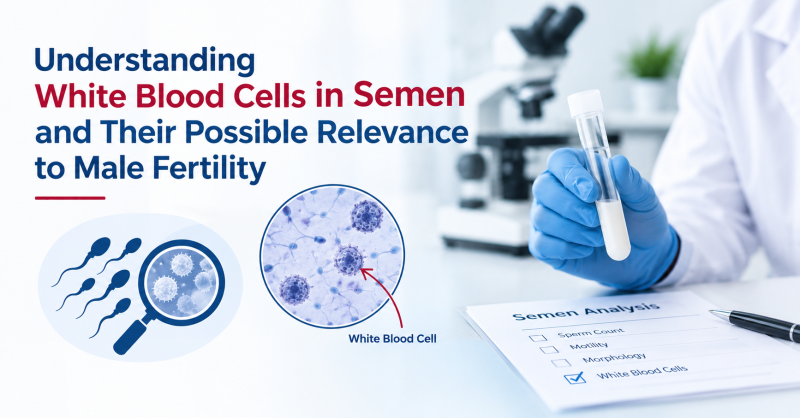
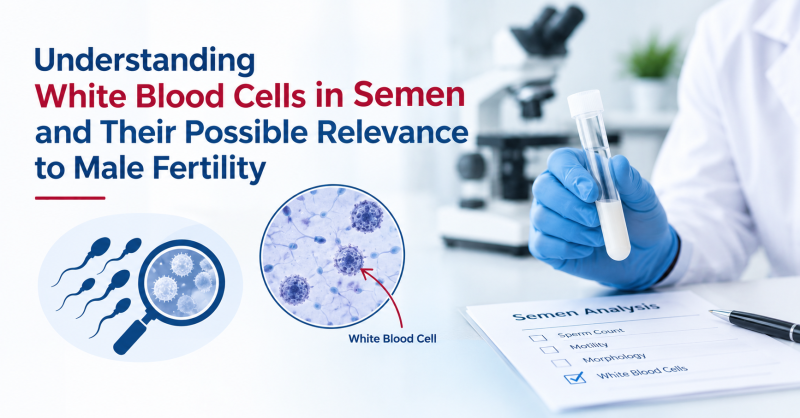
Understanding White Blood Cells in Semen and Their Possible Relevance to Male Fertility
 Deepak
Many men are surprised to see “pus cells” or “leukocytes” on a semen analysis report. The term sounds alarming, and it often leads to worry about infection or infertility. In reality, a raised white blood cell count in semen has several possible explanations, and not every case needs treatment.
This guide explains what white blood cells in semen mean, when they may matter, and how a doctor approaches the finding. If you are looking for clear guidance on male fertility in Delhi, it can help you ask better questions at your consultation.
What Are White Blood Cells in Semen?
White blood cells (leukocytes) are part of the body’s immune defence. Small numbers are commonly found in semen, even in healthy men. They are not automatically a sign of disease.
When the count is higher than expected, the finding is called leukocytospermia (or pyospermia). According to World Health Organization laboratory guidance, a count above 1 million white blood cells per millilitre of semen is generally the point at which it is considered raised.
Why Do the Cells Appear on a Report?
A raised count can reflect:
- Infection or inflammation of the prostate, seminal vesicles, epididymis or urethra, including sexually transmitted infections
- Recent illness, or inflammation that has not settled
- Lifestyle factors such as smoking or heavy alcohol use, which are linked with inflammation and oxidative stress
- No identifiable cause, which is also common
Many men have no symptoms at all. Others notice burning while passing urine, pelvic or testicular discomfort, or discharge. A report alone cannot tell which situation applies to you.
A Common Source of Confusion: “Round Cells”
Some reports list “round cells” or “pus cells” without clarification. Round cells may be white blood cells, but they can also be immature sperm-producing cells. Special laboratory tests, such as peroxidase staining, help tell them apart.
If your report is unclear, ask whether the cells were confirmed as white blood cells. A misread result can lead to unnecessary medication.
Can White Blood Cells in Semen Affect Male Fertility?
Possibly, but the link is not simple. Research suggests that high levels of white blood cells may increase oxidative stress, a chemical imbalance that can affect sperm movement and sperm DNA. Some studies have linked leukocytospermia with reduced sperm quality, while others have found little effect, especially when the count is only slightly raised.
What this means for you:
- A raised count does not mean you are infertile.
- It is one piece of the overall picture, alongside sperm count, motility, shape and your partner’s health.
- Its significance is judged with symptoms, examination findings and other test results.
What Evaluation May Be Suggested?
A doctor will usually start by repeating the test, because semen results can vary between samples. Depending on your history, further evaluation may include:
- Repeat semen analysis after a suitable abstinence period, collected correctly in a clean container
- Physical examination of the testicles, epididymis and prostate
- Urine or semen culture to look for bacteria
- Screening for sexually transmitted infections, where appropriate
- Hormone tests or scrotal ultrasound, in selected cases
This is a measured process. The aim is to find a cause where one exists, not to treat a number on a report.
How Is It Managed?
Management depends on what is found:
- If an infection is confirmed, your doctor may prescribe targeted treatment. Antibiotics should be taken only when indicated and as prescribed. Using them without a confirmed reason is not advised.
- If no infection is found, follow-up and a repeat semen analysis may be all that is needed.
- Lifestyle changes such as stopping smoking, limiting alcohol, managing weight and treating underlying health problems may support overall sperm health.
- Antioxidant supplements are sometimes discussed, but evidence is mixed, so they should be used only on medical advice.
Partners may also need assessment if an infection is identified, since both individuals are involved in fertility planning.
When Should You See a Fertility Specialist?
Consider a consultation if:
- Your semen report shows raised white blood cells or “pus cells”
- You have symptoms such as pain, burning or discharge
- You have been trying to conceive for a year (six months if the woman is over 35) without success
- Your semen analysis shows other abnormalities
Early evaluation avoids guesswork and helps couples decide the next step with confidence.
Choosing the Right Care in Delhi
Men often search for the best male fertility in Delhi after receiving an unexpected report. A useful way to approach this is to look for a clinic that explains results clearly, repeats tests where needed, avoids unnecessary medication and involves both partners where appropriate.
Because fertility affects both partners, many couples also look for the best obstetrics and gynecology in Delhi, where male and female factors can be reviewed together within one plan.
Dr. Poonam Goyal, Gynecologist and Fertility Specialist in Delhi, works with couples to interpret test results and plan suitable next steps based on their individual situation.
If you want consultation regarding male fertility, you can visit Dr Poonam Goyal at:
- C-3/63A, 64A, opp. Gokulpuri police station, Block C, Panchsheel Hospital, Yamuna Vihar, Shahdara, Delhi, 110053
- HOD IVF & Infertility, Max Superspeciality Hospital, Vaishali
This article is for general education and does not replace personal medical advice.
FAQs
Q1. What is a normal white blood cell count in semen?
Small numbers are common. Under WHO laboratory guidance, a count above 1 million per millilitre is generally considered raised. Your doctor interprets it alongside symptoms and other results.
Q2. Do white blood cells in semen always mean infection?
No. They can point to infection or inflammation, but in many men no clear cause is found. Further evaluation helps clarify the reason.
Q3. Can raised white blood cells cause infertility?
They may affect sperm quality in some men by increasing oxidative stress, but the effect varies. A raised count alone does not confirm infertility.
Q4. Do I need antibiotics if my report shows pus cells?
Not necessarily. Treatment is usually considered only when an infection is confirmed or strongly suspected. Avoid self-medicating.
Q5. Should I repeat the semen test?
Often, yes. Semen quality can vary between samples, so a repeat test after proper abstinence and collection gives a more reliable picture.
Source:
Click for the: Full Story
You might like