Close Menu
 World
 Biography
 Health
 Education
 Business
 Lifestyle
 Sports
 Technology
 Animals
 History
 Food
 Religious
 Startups
 Movies
 Politics
 Fashion
 Covid
 Diet
 Fitness
 Marketing
 Travel
 Science
 Reviews
 Social media
 Stories
 Facts
 Art
 Entertainment
Corio Dental Surgery

Health
Why Tooth Pain Can Spread to the Jaw, Ear, and Head
 Corio Dental Surgery
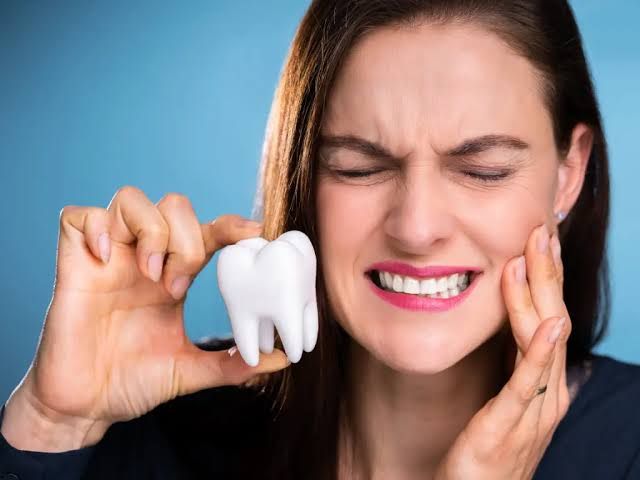
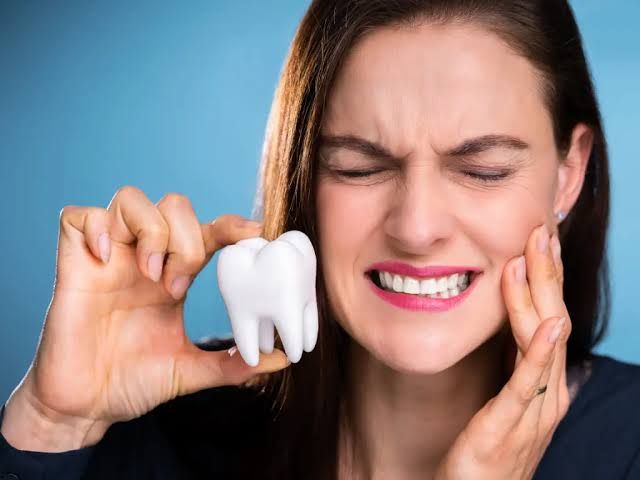
Tooth pain can sometimes feel much more widespread than expected. Instead of staying around one tooth, discomfort may travel into the jaw, ear, temple, or even the head. This often leads people to ask, can toothache cause ear pain? Yes, certain dental problems can cause pain that is felt around the ear, jaw, and head because the teeth and surrounding areas share closely connected nerves. Tooth decay, dental infections, wisdom tooth problems, cracked teeth, and jaw tension can all contribute to pain that spreads beyond the original source. Understanding why this happens can help you recognise when tooth pain needs professional attention.
Why Does Tooth Pain Spread?
The teeth, jaw, face, and head are connected through an extensive network of nerves. One of the most important nerves involved in facial sensation is the trigeminal nerve, which carries signals from the teeth, gums, jaw, and other areas of the face.
When a tooth becomes inflamed or infected, the nerves around it can send strong pain signals. Because nearby areas share nerve pathways, your brain may sometimes interpret these signals as coming from another location.
This is known as referred pain. It can make a dental problem feel like an earache, headache, or jaw problem even though the original cause is inside the mouth.
Can Toothache Cause Ear Pain?
The question can toothache cause ear pain is particularly common when discomfort comes from the back teeth. Upper and lower molars are located relatively close to structures around the jaw and ear, and their nerves are connected to the same broader facial nerve network.
A severe toothache may therefore feel like pressure or aching around the ear. This can happen with tooth infections, deep decay, cracked teeth, or wisdom tooth problems.
However, not every earache is caused by a dental problem. Actual ear infections and other medical conditions can also produce similar symptoms. If you have persistent ear pain, hearing changes, ear discharge, or other ear-related symptoms, medical assessment may be necessary.
Tooth Decay and Severe Toothache
Tooth decay is one of the most common causes of dental pain. It usually develops when bacteria in plaque produce acids that gradually damage the tooth.
Early decay may not cause noticeable symptoms. As the decay progresses deeper into the tooth, it can affect the sensitive inner pulp containing nerves and blood vessels.
You may experience:
- Sensitivity to hot or cold
- Pain when eating sweet foods
- Persistent toothache
- Pain when biting
- Throbbing discomfort
- Pain spreading towards the jaw or ear
If decay reaches the pulp, root canal treatment or another form of dental treatment may be required depending on the condition of the tooth.
A dentist corio can examine the tooth and determine whether decay or another dental problem is responsible for your symptoms.
Dental Infections and Abscesses
An untreated cavity can sometimes develop into a dental infection. When bacteria enter the inner part of the tooth, an abscess may develop around the root or surrounding tissues.
A dental abscess can cause significant pain that may spread towards the jaw, ear, cheek, or head.
Other possible symptoms include:
- Swelling around the tooth
- Tender gums
- Bad taste in the mouth
- Bad breath
- Fever
- Pain when chewing
- Facial swelling
A dental infection should not be ignored simply because the pain temporarily improves. The underlying infection may still be present.
If you have severe tooth pain accompanied by swelling or fever, contact a dentist corio promptly for an assessment.
Wisdom Teeth Can Cause Pain Around the Jaw and Ear
Wisdom teeth are located at the very back of the mouth and can sometimes cause discomfort when they do not have enough room to erupt properly.
An impacted or partially erupted wisdom tooth may cause:
- Pain at the back of the jaw
- Swollen gums
- Difficulty opening the mouth
- Pain while chewing
- Pressure around nearby teeth
- Discomfort that may extend towards the ear
Partially erupted wisdom teeth can also create areas where food and bacteria become trapped, increasing the risk of gum inflammation and infection.
If wisdom teeth are repeatedly causing symptoms, your dentist can assess their position and determine whether monitoring or removal may be appropriate.
Cracked or Damaged Teeth
A cracked tooth can cause unpredictable pain. You may experience discomfort when biting down or when releasing your bite, as well as sensitivity to hot or cold foods.
Depending on the location of the tooth and the severity of the damage, pain may spread into the jaw or surrounding facial area.
Cracks can sometimes be difficult to identify without a dental examination. If you have pain when chewing but cannot determine which tooth is responsible, professional assessment is recommended.
Leaving a cracked tooth untreated may allow the damage to progress.
Teeth Grinding and Jaw Clenching
Not all jaw and head pain comes directly from an infected tooth. Teeth grinding and jaw clenching can also create significant discomfort.
Some people grind their teeth while sleeping and may not realise it. Repeated pressure can strain the jaw muscles and temporomandibular joints.
Possible symptoms include:
- Jaw soreness
- Morning headaches
- Facial tension
- Tooth sensitivity
- Worn teeth
- Ear-area discomfort
- Pain while chewing
If you regularly wake up with jaw pain or headaches, discuss your symptoms with a dentist corio. Your dentist can check for signs of grinding and recommend appropriate measures.
Temporomandibular Joint Problems
The temporomandibular joints, or TMJs, connect your lower jaw to your skull. They are located immediately in front of the ears.
Problems involving these joints or the surrounding muscles can cause pain that feels like an ear problem.
Possible symptoms include:
- Jaw clicking or popping
- Jaw stiffness
- Difficulty opening the mouth
- Pain around the ear
- Facial discomfort
- Headaches
- Changes in the way your teeth come together
TMJ-related discomfort can sometimes occur alongside tooth grinding, stress, jaw injury, or other factors.
Gum Problems and Oral Inflammation
Gum disease can also contribute to oral discomfort. Plaque buildup around the gumline can cause inflammation, resulting in red, swollen, or bleeding gums.
As gum problems become more advanced, the tissues supporting the teeth can be affected. Severe inflammation or infection may cause tenderness around the teeth and jaw.
Regular brushing, cleaning between teeth, professional cleaning, and dental check-ups can help maintain healthy gums.
How Can You Tell Where the Pain Is Coming From?
Because dental and ear problems can produce similar symptoms, it is not always possible to identify the cause yourself.
A dental cause may be more likely if the pain occurs with:
- Tooth sensitivity
- Pain when biting
- Swollen gums
- A visible cavity
- Wisdom tooth discomfort
- Jaw stiffness
- Bad taste or bad breath
On the other hand, symptoms such as hearing loss, ear discharge, or significant changes in hearing may indicate an ear-related problem requiring medical assessment.
When Should You See a Dentist?
You should arrange a dental appointment if tooth pain lasts more than a short period, repeatedly returns, or begins affecting your daily activities.
Seek prompt dental care if you experience:
- Severe or worsening toothache
- Facial or jaw swelling
- Fever
- Pain when chewing
- Difficulty opening your mouth
- Persistent bad taste
- Swollen gums
If swelling makes it difficult to breathe or swallow, seek emergency medical care immediately.
Preventing Dental Pain That Spreads
Good oral hygiene can reduce the risk of many dental problems that cause pain.
Helpful habits include:
- Brush twice a day with fluoride toothpaste
- Clean between your teeth daily
- Limit frequent sugary snacks and drinks
- Drink water regularly
- Avoid smoking
- Attend routine dental examinations
- Treat dental problems early
Regular check-ups allow your dentist to identify cavities, gum problems, wisdom tooth concerns, and other issues before they become more complicated.
Final Thoughts
Tooth pain does not always stay in the tooth. Because the teeth, jaw, ear, face, and head share interconnected nerves and structures, dental problems can sometimes produce referred pain in surrounding areas.
If you are wondering can toothache cause ear pain, the answer is yes. Deep decay, dental infections, wisdom tooth problems, cracked teeth, and other oral conditions can sometimes cause discomfort around the ear, jaw, or head.
However, ear and head pain can have many causes, so it is important to identify the underlying problem rather than assuming it is dental. If your symptoms occur alongside toothache, sensitivity, swelling, or jaw discomfort, a dentist corio can assess your oral health and determine the appropriate next step.
Early attention to dental problems can help prevent minor issues from developing into more painful and complicated conditions.
FAQs
1. Can toothache cause ear pain?
Yes. Toothache, particularly from an infected or severely damaged tooth, can cause referred pain that is felt around the ear. However, ear pain can also have non-dental causes.
2. How can I tell if my ear pain is caused by a tooth?
If ear discomfort occurs alongside toothache, sensitivity, pain when biting, swollen gums, wisdom tooth problems, or jaw pain, a dental cause may be possible. A dental examination can help identify the source.
3. Can wisdom teeth cause pain in the ear and jaw?
Yes. Impacted or partially erupted wisdom teeth can cause inflammation and pressure around the back of the jaw, and this discomfort may sometimes be felt near the ear.
4. Can teeth grinding cause ear pain?
Teeth grinding and jaw clenching can strain the jaw muscles and joints, potentially causing pain around the jaw, temple, and ear.
5. When should I see a dentist for tooth pain?
You should arrange an appointment if tooth pain persists, returns frequently, or occurs with swelling, fever, sensitivity, pain when chewing, or other unusual symptoms. Severe facial swelling or difficulty breathing or swallowing requires urgent care.
Source:
Click for the: Full Story
You might like