Close Menu
 World
 Biography
 Health
 Education
 Business
 Lifestyle
 Sports
 Technology
 Animals
 History
 Food
 Religious
 Startups
 Movies
 Politics
 Fashion
 Covid
 Diet
 Fitness
 Marketing
 Travel
 Science
 Reviews
 Social media
 Stories
 Facts
 Art
 Entertainment
Rajan

Health
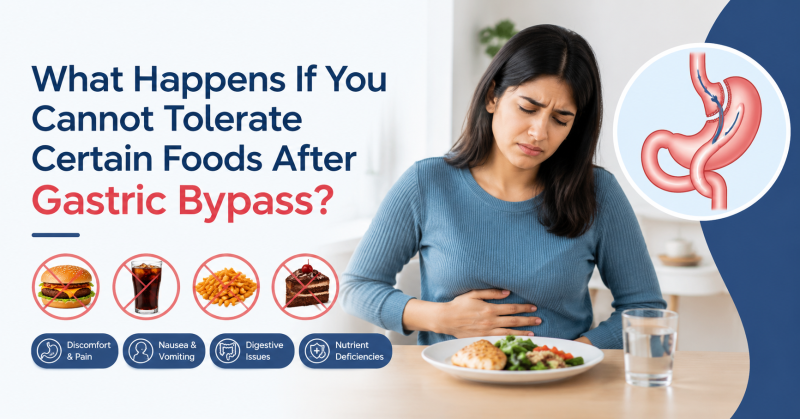
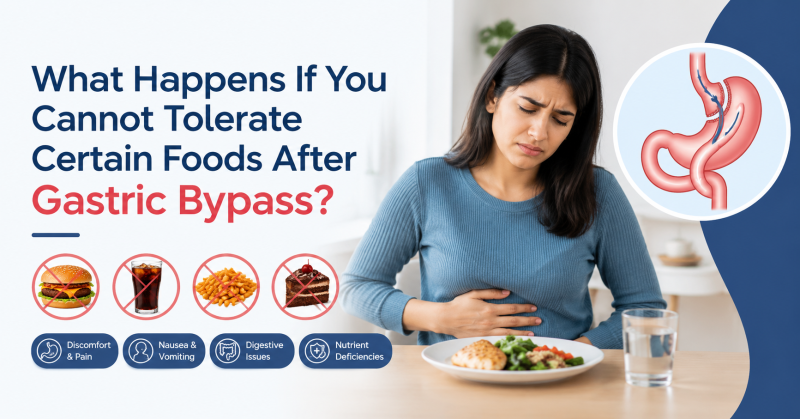
What Happens If You Cannot Tolerate Certain Foods After Gastric Bypass?
 Rajan
Many people expect weight loss after gastric bypass, but few expect that favourite foods might suddenly make them feel ill. A piece of bread that was harmless last year may now cause pain, nausea, or a heavy, stuck feeling in the chest.
This is common and usually manageable. Understanding why it happens helps you eat safely, protect your nutrition, and know when to seek medical help. It also matters when choosing a surgical team. People searching for the best gastric bypass surgeon in Sir Ganga Ram Hospital are often looking not just for a skilled operation, but for reliable long-term follow-up and dietary guidance.
Why Food Intolerance Happens After Gastric Bypass
Gastric bypass (Roux-en-Y) makes the stomach pouch very small and reroutes part of the small intestine. Food now travels differently, so your digestion changes in these ways:
- A tiny stomach pouch: It holds only a few tablespoons of food at first, so large or poorly chewed bites can cause discomfort.
- A narrow connection (stoma): Dry, dense, or fibrous foods may get stuck.
- Faster emptying into the small intestine: Sugary or fatty foods can arrive too quickly and trigger dumping syndrome.
- Reduced stomach acid and enzymes: Some foods become harder to break down.
Foods Commonly Not Tolerated
Tolerance varies from person to person, but these are the usual culprits:
- Red meat and dry chicken: Tough textures are hard to chew and break down.
- Bread, rice, and pasta: They can swell into a doughy mass in the pouch.
- Sugary foods and drinks: They often cause dumping syndrome.
- Fried and greasy foods: Fat can lead to nausea, cramping, and diarrhoea.
- Milk and dairy: Lactose intolerance may appear or worsen.
- Carbonated drinks: Gas expands the pouch and causes pain and bloating.
- Raw vegetables and fibrous produce: Skins, stringy items, and raw leafy greens can be hard to digest.
- Alcohol: It is absorbed faster and can irritate the pouch.
What Happens When You Eat a Food You Cannot Tolerate?
Reactions range from mild to disruptive.
Dumping Syndrome
Dumping syndrome occurs when food moves too quickly into the small intestine. It has two forms:
- Early dumping (10–30 minutes after eating): Nausea, cramping, diarrhoea, sweating, flushing, a racing heartbeat, and dizziness.
- Late dumping (1–3 hours after eating): Shakiness, weakness, hunger, sweating, and confusion from low blood sugar.
Vomiting and Regurgitation
Eating too fast, taking oversized bites, or choosing a problem food can cause vomiting. Occasional vomiting is not unusual, but frequent vomiting needs medical review.
Pain, Pressure, and Bloating
A sharp or heavy feeling behind the breastbone, or fullness that does not pass, usually means food is stuck or the pouch is irritated.
Diarrhoea or Constipation
Fat, sugar, or lactose can cause loose stools, while low fluid intake or too little fibre can cause constipation.
Can Food Intolerance Affect Your Health?
Yes, if it continues. When someone avoids many foods, they can fall short on protein, vitamins, and minerals. Over time this may lead to:
- Muscle loss and fatigue
- Hair thinning
- Dehydration
- Deficiencies of iron, vitamin B12, calcium, and vitamin D
- Slower or stalled weight loss
This is why lifelong supplements and regular blood tests are an important part of recovery.
How to Manage Food Intolerance After Gastric Bypass
- Eat slowly. Take 20–30 minutes per meal.
- Chew thoroughly. Aim for a purée-like texture before swallowing.
- Take small bites. Think a teaspoon at a time in the early months.
- Prioritise protein. Eat protein first at every meal.
- Separate food and fluids. Avoid drinking 30 minutes before and after meals.
- Reintroduce foods slowly. Try one food at a time, in a small amount, and note your reaction.
- Keep a food diary. It helps you and your dietitian spot patterns.
- Retry later. Foods that cause trouble in the first months are sometimes tolerated later.
- Follow your supplement plan. Take prescribed multivitamins, calcium, iron, and B12.
When to Contact Your Surgeon
Mild intolerance can often be handled at home, but seek medical advice if you experience:
- Persistent vomiting or inability to keep fluids down
- Severe or ongoing abdominal pain
- Food repeatedly getting stuck
- Signs of dehydration (dark urine, dizziness, extreme thirst)
- Unexplained weight loss or rapid weight regain
- Frequent fainting or severe dumping episodes
These may signal a stricture, ulcer, hernia, or other complication that needs evaluation.
Choosing the Best Gastric Bypass Surgeon in Sir Ganga Ram Hospital
Because food tolerance, nutrition, and complications depend on how well your care is planned, the surgeon and team you choose matter greatly. When evaluating the best gastric bypass surgeon in Sir Ganga Ram Hospital or any major centre, look at:
- Experience in bariatric and metabolic procedures, including revision surgery
- A multidisciplinary team with dietitians, physicians, and psychologists
- Pre-surgery counselling that sets realistic expectations about eating
- Structured follow-up for diet progression, bloodwork, and supplements
- Clear communication and willingness to answer your questions
Surgeons such as Dr. Tarun Mittal, a bariatric and minimal access surgeon at Sir Ganga Ram Hospital, work in this field, and patients can read about his approach before booking a consultation. His clinic is located at Sir Ganga Ram Hospital, Rajinder Nagar, New Delhi – 110060. Whichever surgeon you consider, compare credentials, ask about outcomes and follow-up, and choose a team you trust.
Conclusion
Food intolerance after gastric bypass is common, and in most cases it can be managed with slow eating, careful chewing, small portions, protein-first meals, and gradual reintroduction of foods. Persistent symptoms deserve medical attention. Choosing an experienced team, including the best gastric bypass surgeon in Sir Ganga Ram Hospital for your needs, gives you the follow-up and nutritional guidance that keep your results safe and sustainable.
Frequently Asked Questions
1. Is it normal to have food intolerance after gastric bypass?Yes. Many patients find certain foods hard to tolerate, especially in the first few months, as the digestive system adapts.
2. Will I ever be able to eat my favourite foods again?Often, yes, in small portions. Many foods that caused problems early on are tolerated after a few weeks or months. Reintroduce them slowly and carefully.
3. How can I tell dumping syndrome from a normal reaction?Dumping typically involves rapid-onset cramps, sweating, a racing heart, diarrhoea, or dizziness soon after eating sugary or fatty food. If it happens regularly, speak to your bariatric team.
4. Can food intolerance cause nutritional deficiencies?Yes. Avoiding protein-rich foods, fruits, or vegetables for long periods can lead to deficiencies, which is why supplements and routine blood tests are essential.
5. When should I see a bariatric surgeon about food problems?Seek medical help if you have persistent vomiting, pain, difficulty swallowing, dehydration, or fast unintended weight loss.
Source:
Click for the: Full Story
You might like