Close Menu
 World
 Biography
 Health
 Education
 Business
 Lifestyle
 Sports
 Technology
 Animals
 History
 Food
 Religious
 Startups
 Movies
 Politics
 Fashion
 Covid
 Diet
 Fitness
 Marketing
 Travel
 Science
 Reviews
 Social media
 Stories
 Facts
 Art
 Entertainment
Aleesha Ali

Health
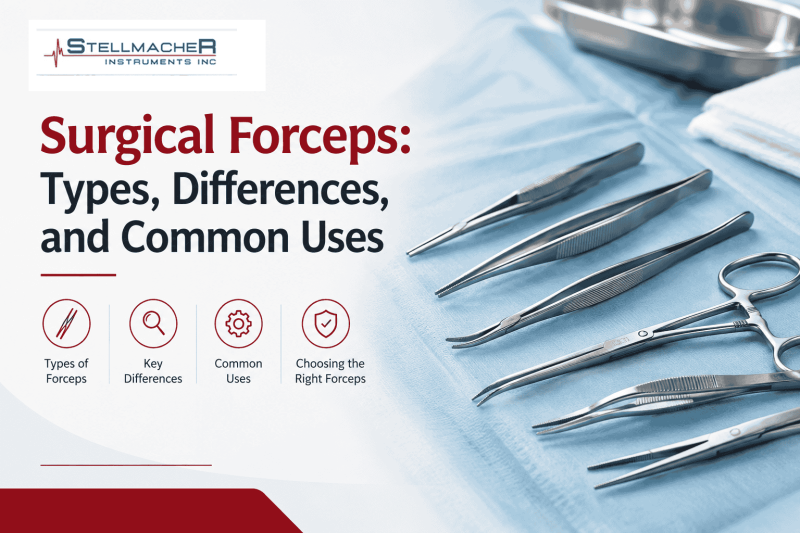
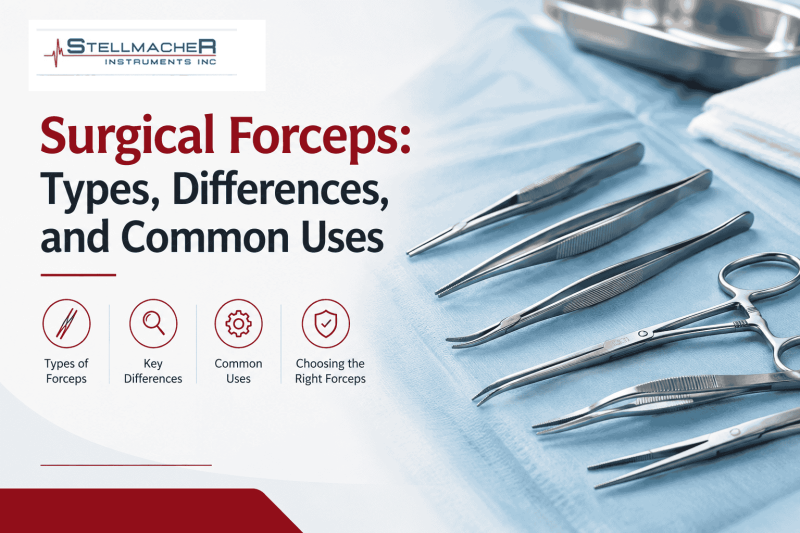
Surgical Forceps: Types, Differences, and Common Uses
 Aleesha Ali
Surgical forceps are among the most commonly used instruments in medical and surgical settings. Designed to provide controlled gripping, holding, manipulating, or handling of tissue and medical materials, forceps are available in many shapes and configurations to support different procedures.
The design of a forceps instrument can vary according to its intended application. Factors such as jaw shape, tip design, length, handle style, and whether the instrument is toothed or non-toothed can determine how it is used.
For surgeons, nurses, surgical technicians, ophthalmic specialists, and medical students, understanding the differences between surgical forceps can make instrument selection easier and more practical.
This guide explains the types of surgical forceps, their differences, common uses, and important features to consider when selecting surgical instruments.
What Are Surgical Forceps?
Surgical forceps are handheld medical instruments used to grasp, hold, manipulate, or stabilize tissue and other materials during medical procedures.
Unlike some instruments that are operated with a ring handle or locking mechanism, many forceps are designed to be controlled directly between the fingers and thumb. Their spring-like construction allows the jaws to open and close as pressure is applied to the handles.
Depending on the design, forceps may be used for:
- Grasping tissue
- Holding surgical materials
- Handling sutures
- Manipulating delicate structures
- Removing small foreign materials
- Stabilizing tissue during procedures
- Assisting with wound closure
- Handling dressings and other materials
The correct forceps depend on the procedure and the type of material or tissue being handled.
Visit our surgical instruments collection.
Why Are Surgical Forceps Important?
Precision is important during surgical procedures, particularly when working with delicate anatomical structures. Surgical forceps provide the controlled grip needed to manipulate tissue and materials without relying on fingers alone.
Different forceps are designed for different levels of precision. Some feature very fine tips for delicate work, while others have wider jaws or teeth for a more secure grip.
The appropriate instrument can help a surgical team maintain better control during a procedure while also supporting an organized and efficient surgical workflow.
Main Types of Surgical Forceps
Surgical forceps can be categorized in several ways, including their tip design, jaw configuration, length, and intended application.
The following are some of the most commonly encountered types.
1. Adson Forceps
Adson forceps are commonly recognized by their relatively short, broad handles and fine working ends. They are frequently used when a controlled grip is needed in superficial surgical procedures.
Adson forceps are available in toothed and non-toothed configurations.
Toothed Adson forceps may be used when a firmer grip on tissue is required, while non-toothed Adson forceps are generally suited to handling more delicate materials or tissue.
Common applications include:
- General surgery
- Minor surgical procedures
- Skin handling
- Wound closure
- Suturing
2. Dressing Forceps
Dressing forceps are designed primarily for handling dressings, gauze, cotton, and other medical materials.
They generally have smooth or lightly textured tips rather than sharp teeth. This makes them useful when the instrument needs to manipulate materials without requiring an aggressive tissue grip.
Common uses include:
- Handling gauze
- Applying dressings
- Removing dressing materials
- General clinical procedures
- Handling sterile materials
Dressing forceps are commonly found in hospitals, clinics, treatment rooms, and minor procedure areas.
3. Tissue Forceps
Tissue forceps are specifically designed for handling tissue during surgical procedures. Their tips may feature teeth or serrations that provide additional grip.
Toothed tissue forceps are often used when tissue needs to be held securely during procedures such as suturing or dissection.
The number and arrangement of teeth can vary between designs, making some models more suitable for specific applications than others.
4. Thumb Forceps
Thumb forceps are handheld instruments operated by applying pressure between the thumb and fingers. They are one of the most widely used categories of surgical forceps.
They can be found with:
- Smooth tips
- Serrated tips
- Toothed tips
- Fine pointed tips
- Broad tips
Because of the wide range of available configurations, thumb forceps are used across many medical specialties.
5. Debakey Forceps
DeBakey forceps are designed for delicate tissue handling and are particularly associated with vascular and cardiovascular procedures.
Their distinctive atraumatic tip pattern provides a controlled grip while minimizing unnecessary compression of tissue.
They are commonly used in:
- Cardiovascular surgery
- Vascular surgery
- General surgery
- Thoracic procedures
Their long, slender profile can also provide useful access when working within a surgical field.
6. Allis Tissue Forceps
Allis tissue forceps are designed with interlocking teeth that provide a secure grip on tissue.
Because of their stronger grasping design, they are generally selected when tissue needs to be held firmly during a procedure.
Common applications include:
- General surgery
- Gynecological procedures
- Abdominal surgery
- Tissue manipulation
The toothed design differentiates Allis forceps from atraumatic forceps intended for more delicate tissue handling.
7. Babcock Forceps
Babcock forceps feature a rounded, fenestrated grasping end designed for handling tissue where a less traumatic grip is desired.
They are commonly associated with procedures involving tubular or delicate anatomical structures.
Typical applications may include:
- Intestinal procedures
- Gynecological surgery
- General surgery
- Handling delicate tissue structures
The rounded jaws distinguish Babcock forceps from instruments with sharper or more aggressive teeth.
8. Mosquito Forceps
Mosquito forceps are small hemostatic instruments used primarily for clamping small blood vessels or controlling bleeding during surgical procedures.
They are typically available with straight or curved jaws and feature a locking mechanism.
Common characteristics include:
- Fine jaws
- Ratcheted handles
- Locking mechanism
- Straight or curved configurations
9. Kelly Forceps
Kelly forceps are another type of hemostatic clamp. They are generally larger than mosquito forceps and may be available in straight or curved configurations.
Their serrated jaws provide a secure grip and can be useful when clamping vessels or tissue during surgery.
Kelly forceps are commonly encountered in:
- General surgery
- Emergency procedures
- Obstetrics and gynecology
- Surgical training
10. Ophthalmic Forceps
Ophthalmic forceps are specialized instruments designed for procedures involving the eye and surrounding structures.
Because ophthalmic surgery often requires highly precise manipulation, these instruments typically feature fine tips and specialized jaw designs.
Ophthalmic forceps may be used for:
- Tissue manipulation
- Suturing
- Handling delicate ocular structures
- Removing or positioning small materials
- Microsurgical procedures
Their small dimensions and precise working ends distinguish them from many general-purpose surgical forceps.
Visit our ophthalmic instruments collection.
Toothed vs. Non-Toothed Forceps
One of the easiest ways to distinguish surgical forceps is by examining the tips.
Toothed Forceps
Toothed forceps feature small teeth at the working end. These teeth can provide a stronger grip on tissue.
They may be useful when tissue needs to be stabilized during procedures such as suturing.
Common examples include:
- Adson toothed forceps
- Tissue forceps
- Certain surgical dressing and dissection forceps
Non-Toothed Forceps
Non-toothed forceps typically have smooth or serrated surfaces rather than prominent teeth.
They may be preferred for handling delicate tissue or materials where a gentler grip is appropriate.
The choice between toothed and non-toothed forceps depends on the procedure, tissue characteristics, and the level of grip required.
Straight vs. Curved Surgical Forceps
Another important difference is the shape of the instrument.
Straight Forceps
Straight forceps provide a direct working path and are commonly used when the surgical field is easily accessible.
They can be useful for:
- General tissue handling
- Dressing procedures
- Suturing
- Handling surgical materials
Curved Forceps
Curved forceps are designed to provide a different approach to the surgical field. Their angled or curved jaws may improve access around anatomical structures.
They are commonly used when a straight instrument would make positioning more difficult.
The appropriate shape depends on the surgical technique and location of the working area.
Surgical Forceps vs. Hemostatic Forceps
Although both are used to grasp or manipulate materials, surgical forceps and hemostatic forceps serve different purposes.
Surgical forceps commonly refer to handheld instruments used for grasping, holding, and manipulating tissue or materials.
Hemostatic forceps, also called hemostats or clamps, are designed primarily to control bleeding by clamping blood vessels or tissue.
Hemostatic instruments generally include a locking ratchet mechanism, allowing the jaws to remain closed without continuous hand pressure.
Examples include:
- Mosquito forceps
- Kelly forceps
- Crile forceps
- Rochester forceps
Understanding this distinction helps medical professionals select the appropriate instrument for a specific task.
How to Choose the Right Surgical Forceps
Selecting surgical forceps involves more than simply choosing the right size. The instrument should match the procedure, tissue type, and required level of control.
Consider the following factors.
1. Intended Application
First determine what the forceps will be used for.
A forceps designed for dressing materials may not be appropriate for delicate tissue manipulation, while an ophthalmic forceps may be unnecessarily specialized for routine clinical work.
2. Tip Design
Pay attention to whether the tips are:
- Toothed
- Serrated
- Smooth
- Fine
- Broad
- Curved
- Straight
The tip configuration directly affects how the instrument interacts with tissue or materials.
3. Size and Length
The length of the forceps should correspond with the working environment.
Shorter instruments can provide convenient control for superficial procedures, while longer forceps may provide greater reach for deeper surgical fields.
4. Material
Surgical forceps are commonly manufactured from medical-grade stainless steel because it offers durability and resistance to corrosion when properly maintained.
The material should be suitable for the intended clinical environment and compatible with the facility's cleaning and sterilization procedures.
5. Grip and Handling
A surgical instrument should be comfortable to control. The handle shape, surface texture, weight, and spring tension can all influence handling.
For procedures requiring repeated manipulation, ergonomic design becomes particularly important.
6. Sterilization Requirements
Reusable surgical forceps must be compatible with the facility's validated cleaning, disinfection, and sterilization processes.
Always follow the manufacturer's instructions for use and the healthcare facility's applicable protocols.
Common Uses of Surgical Forceps
The applications of forceps vary considerably depending on their design.
Common uses include:
- Holding tissue during suturing
- Manipulating surgical materials
- Handling gauze and dressings
- Grasping tissue
- Stabilizing structures during procedures
- Assisting with wound closure
- Handling sutures
- Supporting dissection procedures
- Clamping small vessels with hemostatic designs
- Performing delicate ophthalmic procedures
Because forceps are available in many specialized configurations, the instrument selected should always correspond to the intended procedure.
Surgical Forceps for Ophthalmic Procedures
Ophthalmic surgery requires instruments designed for precision and controlled handling.
Ophthalmic forceps are often smaller and more finely constructed than general surgical forceps. Their specialized tips allow surgeons to work with delicate structures within a confined surgical field.
Different ophthalmic forceps may be designed for specific tasks, including tissue manipulation, suturing, membrane handling, or other microsurgical applications.
For eye-care facilities, maintaining an appropriate selection of ophthalmic instruments can help support different surgical procedures and techniques.
How to Maintain Surgical Forceps
Proper instrument care is important for reusable surgical instruments. Maintenance procedures should always follow the manufacturer's instructions and the healthcare facility's established protocols.
General considerations include:
- Clean instruments promptly after use according to the applicable protocol.
- Inspect the tips and working surfaces for damage, corrosion, or misalignment.
- Check moving components to ensure they function correctly.
- Follow validated sterilization procedures appropriate for the instrument.
- Store instruments properly to protect the working ends from unnecessary damage.
- Remove damaged instruments from service when they no longer meet the required performance or safety standards.
Regular inspection can help identify problems before an instrument is needed for a procedure.
Common Questions About Surgical Forceps
What are surgical forceps used for?
Surgical forceps are used to grasp, hold, manipulate, stabilize, or handle tissue and medical materials during surgical and clinical procedures.
What is the difference between toothed and non-toothed forceps?
Toothed forceps have teeth designed to provide a stronger grip on tissue, while non-toothed forceps generally provide a smoother or more delicate contact surface.
What are hemostatic forceps used for?
Hemostatic forceps are designed primarily to clamp blood vessels or tissue to help control bleeding during surgical procedures.
What are Adson forceps used for?
Adson forceps are commonly used for controlled tissue handling, skin manipulation, and suturing. They are available in different tip configurations for different applications.
What are ophthalmic forceps?
Ophthalmic forceps are specialized surgical instruments designed for precise manipulation during eye and microsurgical procedures.
How should surgical forceps be maintained?
Reusable surgical forceps should be cleaned, inspected, sterilized, and stored according to the manufacturer's instructions and the healthcare facility's validated procedures.
Final Thoughts
Surgical forceps are fundamental instruments used across a wide range of medical and surgical procedures. Their differences in tip design, jaw configuration, length, shape, and intended application allow healthcare professionals to select instruments suited to specific tasks.
From general-purpose thumb forceps and tissue forceps to specialized ophthalmic and atraumatic instruments, each design serves a particular purpose. Understanding these differences can make instrument selection more straightforward and help medical facilities maintain an organized and appropriate surgical instrument inventory.
When selecting surgical forceps, consider the intended application, tissue type, tip configuration, instrument size, material, handling characteristics, and applicable sterilization requirements.
For healthcare professionals and medical facilities looking for surgical instruments and ophthalmic surgical instruments, choosing appropriately designed instruments is an important part of preparing for different clinical and surgical applications.
Source:
Click for the: Full Story
You might like