Close Menu
 World
 Biography
 Health
 Education
 Business
 Lifestyle
 Sports
 Technology
 Animals
 History
 Food
 Religious
 Startups
 Movies
 Politics
 Fashion
 Covid
 Diet
 Fitness
 Marketing
 Travel
 Science
 Reviews
 Social media
 Stories
 Facts
 Art
 Entertainment
Rajan

Health
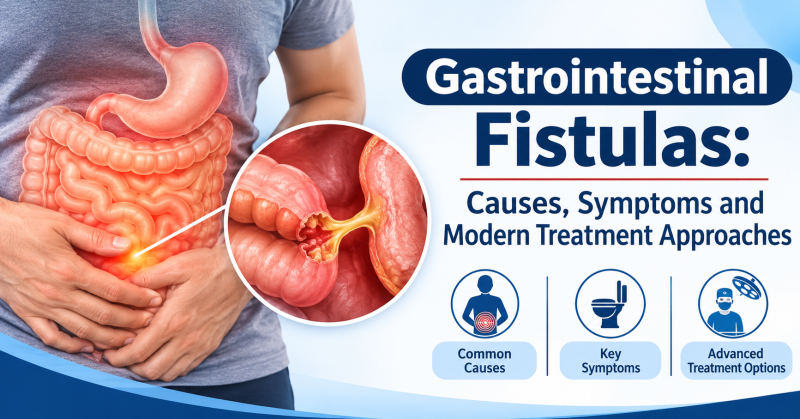
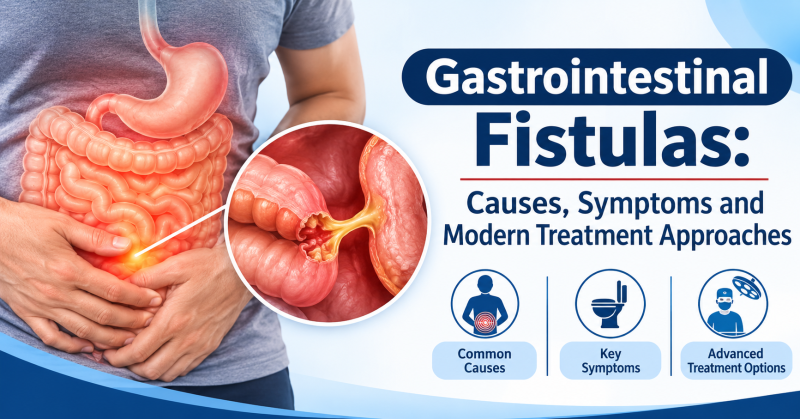
Gastrointestinal Fistulas: Causes, Symptoms and Modern Treatment Approaches
 Rajan
Few conditions are as distressing as a fistula. Intestinal fluid leaks where it should not, wounds refuse to heal, and everyday life becomes difficult. Many patients wait too long before seeking help, partly out of embarrassment and partly because the condition is poorly understood. A fistula is treatable, but it needs a structured plan and an experienced gastrointestinal surgeon in Central Delhi or your own city, not quick fixes.
What Is a Gastrointestinal Fistula?
A gastrointestinal (GI) fistula is an abnormal channel connecting part of the digestive tract to another organ, to another part of the gut, or to the skin. Digestive contents, gas or pus pass through this channel instead of staying inside the intestine.
Why Do Fistulas Form?
Fistulas rarely appear without a reason. Understanding the cause matters because it largely decides the treatment.
- After surgery: A leak from a bowel join (anastomosis) or an unnoticed injury during an operation is the most common cause of enterocutaneous fistulas.
- Crohn's disease: Chronic inflammation can tunnel through the bowel wall, causing perianal and internal fistulas.
- Diverticulitis: An inflamed pouch of the colon can erode into the bladder or vagina.
- Infection and abscesses: Perianal abscesses commonly lead to anal fistulas. Tuberculosis of the abdomen is another important cause in India.
- Cancer and radiation: Tumours, and tissue damage from earlier radiotherapy, can break down the bowel wall.
- Trauma or foreign bodies: Injuries and retained surgical material are less frequent causes.
Recognising the Symptoms
Symptoms depend on where the fistula is. Watch for:
- Leakage of fluid, pus or stool through the skin or a surgical wound
- Persistent anal discharge, pain or recurrent abscesses
- Air bubbles (pneumaturia) or stool particles in urine
- Repeated urinary tract infections without a clear cause
- Stool or gas passing through the vagina
- Fever, abdominal pain, unexplained weight loss or dehydration
Quick answer for patients: If a wound after abdominal surgery drains intestinal-looking fluid, or if you notice air or stool in your urine, see a doctor promptly. Do not wait for it to settle on its own.
How Is a Fistula Diagnosed?
The goals are to find where the fistula starts and ends, how complex it is, and what is causing it. Your surgeon may use:
- Clinical examination, including an examination under anaesthesia for anal fistulas
- CT scan or CT enterography to map the tract and detect abscesses
- MRI, especially valuable for complex perianal and pelvic fistulas
- Contrast studies (fistulogram) to trace the channel
- Endoscopy, colonoscopy or cystoscopy to look at the bowel or bladder lining
- Blood tests to check infection, anaemia, protein levels and electrolytes
Modern Treatment: A Stepwise Approach
Treating complex fistulas, particularly enterocutaneous ones, is rarely just about one operation. Surgeons often follow a stepwise framework, often remembered as SNAP: Sepsis control, Nutrition, Anatomy and Procedure planning.
1. Control infection and stabilise the patient
Antibiotics and drainage of any abscess come first. Fluid and electrolyte balance is corrected, because fistula output can cause serious dehydration.
2. Nutrition and skin care
Many fistula patients are malnourished, and healing is poor without adequate nutrition. Depending on the case, this may mean oral supplements, tube feeding or intravenous (parenteral) nutrition. Specialised dressings, collection bags and negative-pressure wound therapy protect the skin and keep the patient comfortable. Medicines that reduce gut secretions are sometimes used to lower the output, although their benefit varies from patient to patient.
3. Define the anatomy
Imaging clarifies the route of the fistula and the health of the surrounding bowel. Some low-output fistulas close by themselves once infection is controlled and nutrition is improved, but many do not, especially if there is a blockage downstream, diseased bowel or a foreign body.
4. Definitive surgery
When a fistula does not close, surgery is planned for when the patient is stable and the abdomen has settled, which is often several months after the original problem. The operation typically removes the diseased segment and the fistula tract, then reconnects healthy bowel. Hurrying into surgery too early raises the risk of complications, which is why timing is a key surgical judgment.
Treating perianal fistulas
Options depend on whether the tract is simple or complex and how much sphincter muscle is involved:
- Fistulotomy for simple, low tracts
- Seton placement to drain the tract and protect continence
- Advancement flap or LIFT (ligation of intersphincteric fistula tract) for selected complex fistulas
- Medical therapy for Crohn's disease, such as biologic drugs, alongside surgery
Anal fistulas are often not curable with antibiotics alone. Treatment aims to heal the tract while preserving bowel control.
Risks and Recovery
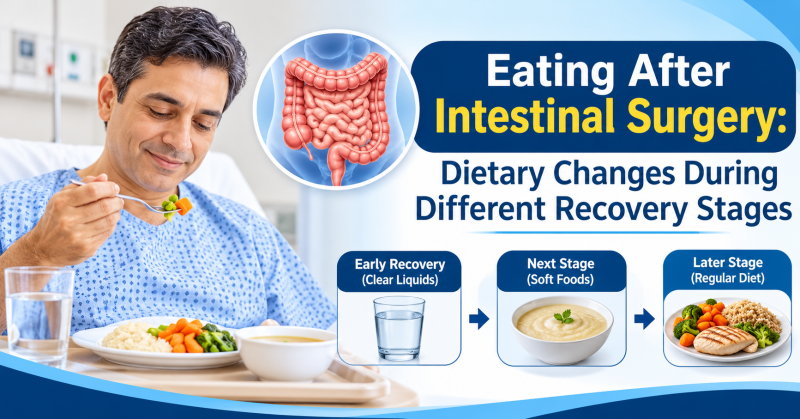
Every treatment has trade-offs. Surgical risks include infection, bleeding, recurrence of the fistula, a bowel leak and, in anal procedures, some risk to continence. A temporary stoma is sometimes needed to let the bowel heal. Recovery varies widely: a simple anal fistula procedure may allow return to routine within days to weeks, while major abdominal reconstruction can need a hospital stay and a gradual return to diet and activity. Your surgeon should explain realistic expectations before you consent to any procedure.
Choosing the Right Specialist in Delhi
Fistula care works best in the hands of a team that can handle surgery, nutrition support, imaging and long-term follow-up together. Patients who want to consult an experienced gastrointestinal surgeon in Central Delhi can look for a surgeon who takes time to explain the cause, discusses non-surgical and surgical options honestly, and plans staged care rather than rushing to operate. Dr. Tarun Mittal is a surgeon with over 20 years of experience, practising at Sir Ganga Ram Hospital, Old Rajendra Nagar, New Delhi – 110060, which is convenient for patients seeking a gastrointestinal surgeon in Rajinder Nagar and surrounding areas.
Conclusion
A gastrointestinal fistula can feel overwhelming, but it is a recognised medical problem with well-established treatment pathways. Success usually depends on correctly identifying the cause, controlling infection, restoring nutrition and choosing the right time and technique for repair. If you notice any of the warning signs above, seek an early evaluation from a qualified gastrointestinal surgeon in Central Delhi. This article is for general education and is not a substitute for personal medical advice.
Frequently Asked Questions
1. Can a gastrointestinal fistula heal without surgery?
Some can, particularly low-output fistulas once infection is controlled, nutrition is optimised and there is no blockage beyond the leak. Complex, high-output or Crohn's-related fistulas usually need further treatment, and your surgeon will advise after imaging.
2. How do I know if my anal discharge is a fistula?
Persistent or recurring pus or discharge near the anus, along with pain, swelling or a history of a perianal abscess, suggests a fistula. Only an examination, sometimes with an MRI, can confirm it.
3. Is a fistula dangerous if left untreated?
It can be. Untreated fistulas may cause recurrent infection, abscesses, dehydration, malnutrition and, in some cases, serious sepsis. Early assessment reduces complications.
4. Why do fistulas sometimes come back?
Recurrence may occur if the underlying cause, such as Crohn's disease or infection, is not controlled, or if the tract is complex or part of it was missed. Follow-up and treating the root cause help lower this risk.
5. When should I see a gastrointestinal surgeon?
See one if you have leakage from a wound, ongoing anal discharge, air or stool in urine, or stool passing through the vagina. Also see a surgeon if a fistula-like problem follows a recent abdominal operation.
Source:
Click for the: Full Story
You might like