Close Menu
 World
World
 Biography
 Health
 Education
 Business
 Lifestyle
 Sports
 Technology
 Animals
 History
 Food
Food
 Religious
 Startups
 Movies
 Politics
 Fashion
 Covid
Covid
 Diet
Diet
 Fitness
 Marketing
 Travel
 Science
 Reviews
 Social media
 Stories
 Facts
Facts
 Art
Art
 Entertainment
Rajan

Health
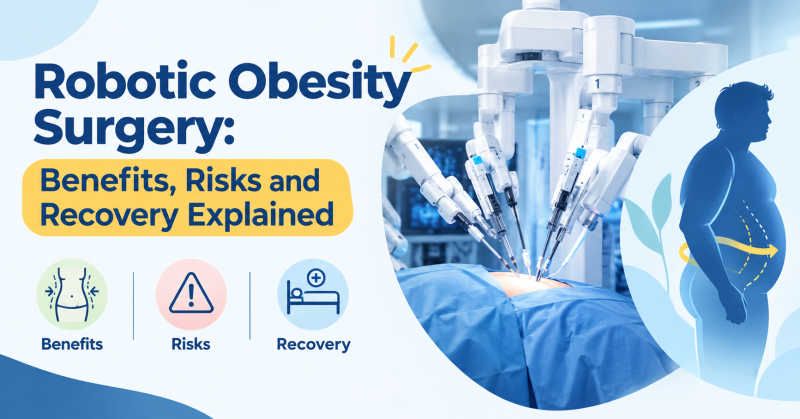
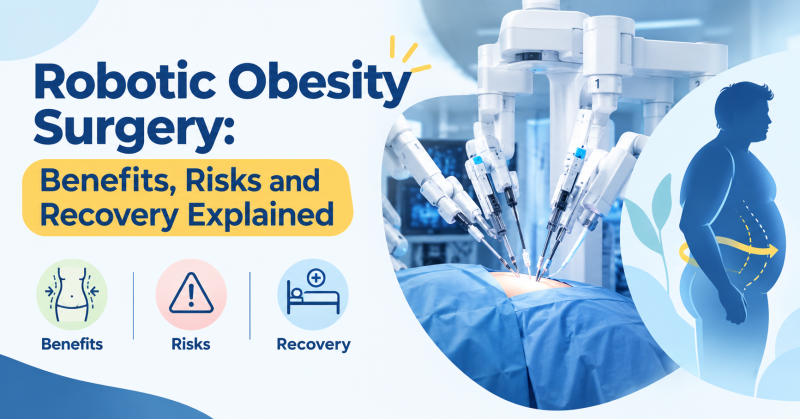
Robotic Obesity Surgery: Benefits, Risks and Recovery Explained
 Rajan
Rajan
Obesity is more than a number on the scale. It raises the risk of type 2 diabetes, high blood pressure, sleep apnea, joint problems, fatty liver, and heart disease. When diet, exercise, and medication haven't delivered lasting results, bariatric (weight-loss) surgery can be a medically proven next step. Robotic technology is now being used in this field, and many patients ask how it differs from conventional laparoscopic surgery. This guide explains how it works, its benefits and risks, what recovery looks like, and how to find the best robotic obesity surgeon in Delhi for your situation.
What Is Robotic Obesity Surgery?
Robotic obesity surgery is a minimally invasive form of bariatric surgery in which the surgeon controls robotic arms from a console. The procedure is still performed by the surgeon, not by the machine. The system provides a magnified 3D high-definition view, and its instruments can bend and rotate with a greater range of motion than the human wrist.
The surgery is done through a few small incisions in the abdomen. Common procedures that can be performed robotically include:
- Sleeve gastrectomy: removing a large portion of the stomach to create a narrow, banana-shaped sleeve
- Gastric bypass (Roux-en-Y): creating a small stomach pouch and rerouting part of the small intestine
- Mini or one-anastomosis gastric bypass: a simpler bypass variant used in selected patients
- Revision surgery: correcting or converting a previous bariatric procedure
Who Is Eligible?
Eligibility is generally based on body mass index (BMI) and related health conditions. Asian-specific guidelines are lower than Western ones because health risks start at a lower BMI in South Asians. Typically, surgery may be considered when:
- BMI is 37.5 or above, or
- BMI is 32.5 or above with obesity-related conditions such as diabetes, hypertension, or sleep apnea
A multidisciplinary team, including a surgeon, physician, dietitian, and sometimes a psychologist, usually assesses suitability. Final eligibility is always decided individually.
Benefits of the Robotic Approach
Weight loss and improvement in related diseases come mainly from the bariatric procedure itself. The robotic platform can add technical advantages, particularly in complex cases:
- Better visualisation: 3D magnified view of deep, narrow areas
- Precision and stability: tremor filtering and articulated instruments help with fine suturing
- Useful in complex cases: such as very high BMI, previous abdominal surgery, or revision procedures
- Surgeon ergonomics: less fatigue during long operations, which may support consistent technique
- Minimally invasive benefits: small scars, less pain than open surgery, and a shorter hospital stay
It's worth being honest here: for straightforward cases, studies show outcomes of robotic and conventional laparoscopic bariatric surgery are broadly similar. Robotic surgery is a tool, and surgeon experience matters more than the technology alone.
Health Benefits of Bariatric Surgery
Beyond weight loss, many patients experience:
- Remission or major improvement in type 2 diabetes
- Better blood pressure and cholesterol levels
- Relief from sleep apnea and acid reflux
- Reduced joint pain and improved mobility
- Improvement in fatty liver disease
- Better quality of life and energy levels
Results vary, and long-term success depends on following dietary and lifestyle guidance.
Risks and Possible Complications
Every surgery carries risk, and patients should hear them clearly before deciding:
- Bleeding or infection at the surgical site
- Staple-line or anastomotic leak: a rare but serious complication
- Blood clots in the legs or lungs
- Nutritional deficiencies: iron, B12, calcium, and vitamin D, especially after bypass
- Gallstones with rapid weight loss
- Acid reflux, more common after sleeve gastrectomy in some patients
- Anesthesia-related risks
- Possibility of weight regain if lifestyle habits aren't maintained
Robotic surgery has its own considerations, such as slightly longer operating time in some centers and higher cost. In rare cases, the surgeon may need to convert to a conventional approach.
Recovery: What to Expect
Recovery is usually smooth when you follow the care plan.
In hospital (1 to 3 days): Most patients walk within hours of surgery to reduce clot risk. Pain is managed with medication, and you begin with sips of water.
First 2 weeks: Diet progresses from liquids to pureed food. Many people return to desk work in 1 to 2 weeks, though this varies.
Weeks 3 to 6: Soft foods are introduced, and light exercise such as walking increases. Heavy lifting is avoided until your surgeon clears you.
After 6 to 8 weeks: Most patients resume normal food textures in small portions and regular activity.
Long term: Lifelong vitamin supplements, regular blood tests, protein-focused meals, and follow-ups are essential.
How to Choose the Right Surgeon and Hospital
Whether you're searching for the best obesity surgeon in Delhi or comparing options elsewhere, technology alone shouldn't drive your decision. Consider:
- Training and volume: formal bariatric and robotic training, and a regular caseload
- Transparent counseling: an honest discussion of all procedures, including non-robotic options
- Team approach: access to dietitians, physicians, and psychological support
- Hospital infrastructure: ICU backup, experienced anesthesia, and emergency readiness
- Follow-up program: structured long-term monitoring
- Realistic expectations: no promises of guaranteed results
Frequently Asked Questions
1. Is robotic obesity surgery safer than laparoscopic surgery?
Not necessarily. Both are minimally invasive and have comparable safety in most cases. Robotics may offer advantages in complex or revision surgeries. Surgeon experience is the more important safety factor.
2. How much weight can I lose after surgery?
Many patients lose a significant portion of their excess weight over 12 to 18 months, but results differ by procedure, adherence to diet, and activity level.
3. Is the surgery painful?
You will be under general anesthesia. Post-operative discomfort is usually mild to moderate and manageable with medication.
4. Will I regain weight after surgery?
Some regain is possible, particularly if dietary guidance and follow-ups are neglected. Long-term habits are crucial for lasting results.
5. Is robotic obesity surgery covered by insurance?
Coverage depends on the insurer, your BMI, and associated conditions. Check your policy and ask the hospital's insurance desk for pre-authorization details.
Conclusion
Robotic obesity surgery combines proven weight-loss procedures with advanced technology that can help surgeons work with precision, especially in complex cases. It offers real benefits for weight and related diseases, but it also carries risks and demands lifelong commitment to nutrition and follow-up. The best decision comes from thorough evaluation, honest counseling, and realistic expectations. When searching for the best robotic obesity surgeon in Delhi, prioritize experience, team support, and transparent communication over marketing claims or technology alone.
Disclaimer: This article is for general information only and is not a substitute for personal medical advice. Please consult a qualified bariatric surgeon for diagnosis and treatment.
Source:
Click for the: Full Story
You might like