Close Menu
 World
World
 Biography
 Health
 Education
 Business
 Lifestyle
 Sports
 Technology
 Animals
 History
 Food
Food
 Religious
 Startups
 Movies
 Politics
 Fashion
 Covid
Covid
 Diet
Diet
 Fitness
 Marketing
 Travel
 Science
 Reviews
 Social media
 Stories
 Facts
Facts
 Art
Art
 Entertainment
Deepak

Health
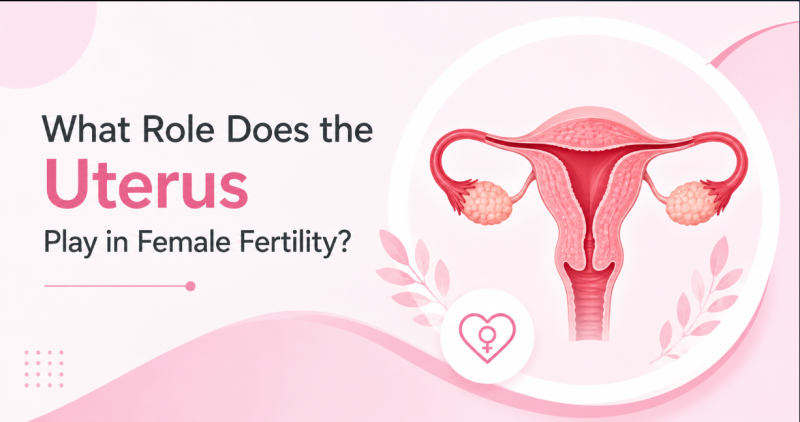
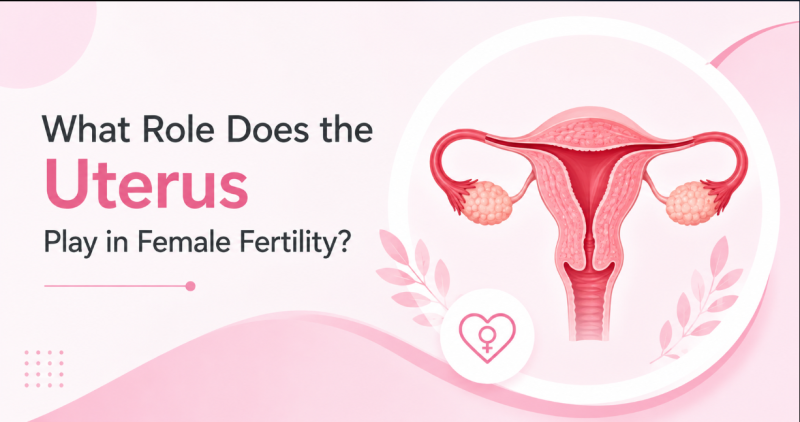
What Role Does the Uterus Play in Female Fertility?
 Deepak
When people talk about fertility, the conversation usually centres on ovulation and egg quality. The uterus gets far less attention, even though it is where an embryo implants and a pregnancy grows. A healthy uterus is just as important as healthy eggs, and uterine problems are a recognised, and often treatable, reason why some women struggle to conceive or carry a pregnancy.
This guide explains what the uterus does, which conditions can affect it, and when it makes sense to seek advice about female fertility in Delhi or wherever you live.
What Is the Uterus and What Does It Do?
The uterus, or womb, is a muscular, pear-shaped organ in the pelvis. It has three main layers: an inner lining called the endometrium, a thick muscular wall called the myometrium, and an outer covering.
In fertility terms, the uterus has three key jobs:
- Receiving sperm and embryo: sperm travel through the cervix and uterine cavity on the way to the fallopian tubes, and the embryo returns to the uterus a few days after fertilisation.
- Supporting implantation: the embryo must attach to the endometrium to establish a pregnancy.
- Nurturing the pregnancy: the uterus expands, supplies blood flow through the placenta, and holds the baby until delivery.
How the Uterine Lining Prepares Each Month
Every cycle, rising estrogen causes the endometrium to thicken. After ovulation, progesterone makes the lining more receptive, creating a short window in which an embryo can implant. If pregnancy does not occur, the lining sheds as a period.
This is why hormone balance matters. A lining that is too thin, inflamed, or poorly prepared may make implantation harder, even when ovulation is normal.
Uterine Conditions That Can Affect Fertility
Several conditions may interfere with conception or increase the risk of miscarriage. Having one does not mean pregnancy is impossible, but it does mean evaluation is worthwhile.
Fibroids
Fibroids are non-cancerous growths in the uterine wall. Many cause no problems, but those that press into the uterine cavity (submucosal) can affect implantation, and large ones may alter its shape.
Polyps
Endometrial polyps are small overgrowths of the lining. They can disturb implantation and cause irregular bleeding.
Adenomyosis and Endometriosis
In adenomyosis, endometrial tissue grows into the uterine muscle. Endometriosis involves similar tissue outside the uterus. Both can cause painful or heavy periods and may be linked with fertility difficulties.
Uterine Septum and Other Structural Differences
Some women are born with a uterus shaped differently, such as a septate or bicornuate uterus. These variations can be associated with pregnancy loss or complications in some cases, and some can be corrected surgically.
Intrauterine Adhesions (Asherman's Syndrome)
Scar tissue inside the uterus, often following surgery, infection, or repeated procedures, can reduce the space for implantation and affect the lining.
Chronic Endometritis
Long-standing inflammation of the lining, usually from infection, may affect implantation and is treatable once identified.
Signs That Your Uterus May Need Evaluation
Some uterine problems are silent, but certain symptoms are worth discussing with a gynaecologist:
- Very heavy, prolonged, or painful periods
- Bleeding between periods or after intercourse
- Pelvic pain or pressure
- Repeated miscarriages
- A history of uterine surgery, D&C, or pelvic infection
- Difficulty conceiving despite regular ovulation
How Doctors Assess the Uterus
A fertility evaluation typically looks at the uterus alongside ovulation, the tubes, and partner factors. Commonly used tests include:
- Pelvic ultrasound: the first step, often transvaginal, to assess uterine size, shape, fibroids, and endometrial thickness
- 3D ultrasound: gives a clearer view of the uterine shape
- Hysterosalpingography (HSG): X-ray dye test showing the uterine cavity and whether the tubes are open
- Saline infusion sonography: ultrasound with fluid to outline the cavity
- Hysteroscopy: a thin camera passed through the cervix to view the inside of the uterus, which can also treat polyps, adhesions, or a septum in the same sitting
- MRI: used selectively for complex cases
Can Uterine Problems Be Treated?
Many can, depending on the cause. Treatment may involve medication, hormonal support, antibiotics for infection, or minimally invasive surgery such as hysteroscopy or laparoscopy. In some cases, treatment of the uterus is followed by natural attempts or by assisted options such as IUI or IVF.
The right approach depends on age, ovarian reserve, duration of infertility, and the specific finding, so it should be decided with a specialist rather than based on general advice.
Everyday Habits That Support Uterine Health
While lifestyle changes cannot fix structural problems, they support overall reproductive health:
- Maintain a healthy weight and balanced diet
- Avoid smoking and limit alcohol
- Treat pelvic infections promptly
- Keep regular gynaecological check-ups, including Pap screening
- Manage chronic conditions such as thyroid disorders and diabetes
When to See a Specialist
Consider consulting a gynaecologist if you have been trying to conceive for a year without success, or six months if you are over 35. Seek advice sooner if you have irregular cycles, known fibroids or endometriosis, or a history of miscarriage.
When looking for female fertility care in Delhi, it helps to choose a doctor who explains findings clearly and does not rush into treatment. Dr. Poonam Goyal, a gynaecologist and fertility specialist in Delhi, emphasises evaluating the whole reproductive system, including the uterus, before deciding on a plan. Women searching for the best female fertility care in Delhi often find that clear communication and a thorough work-up matter more than any single procedure. The same applies when seeking the best obstetrics and gynecology in Delhi, where continuity of care from evaluation through pregnancy can be valuable.
Conclusion
The uterus is far more than a passive organ. It prepares each month for a possible pregnancy, enables implantation, and supports the baby's growth. Structural issues, inflammation, or hormonal imbalance can quietly affect fertility, and many are detectable with simple tests and treatable. If you have symptoms, a relevant history, or difficulty conceiving, an early evaluation can bring clarity and help you plan your next steps with confidence.
FAQs
1. How does the uterus affect fertility?
The uterus provides the environment where an embryo implants and grows. Problems such as fibroids, polyps, adhesions, or a thin or inflamed lining can make implantation or pregnancy maintenance more difficult.
2. Can fibroids stop you from getting pregnant?
Not always. Many women with fibroids conceive without trouble. Those that distort the uterine cavity are more likely to affect fertility, so location and size matter.
3. Which test checks the uterus for fertility problems?
A pelvic ultrasound is usually the first test. Depending on findings, HSG, saline sonography, 3D ultrasound, or hysteroscopy may follow.
4. Can uterine problems be treated before trying to conceive?
Often yes. Polyps, adhesions, and some septa can be treated with hysteroscopy, and infections or hormonal issues can be managed with medication. Your doctor will advise based on your results.
5. When should I see a doctor about uterine health and fertility?
See a specialist if you have heavy or painful periods, repeated miscarriages, or have not conceived after 12 months of trying (6 months if over 35).
Source:
Click for the: Full Story
You might like