Close Menu
 World
World
 Biography
 Health
 Education
 Business
 Lifestyle
 Sports
 Technology
 Animals
 History
 Food
Food
 Religious
 Startups
 Movies
 Politics
 Fashion
 Covid
Covid
 Diet
Diet
 Fitness
 Marketing
 Travel
 Science
 Reviews
 Social media
 Stories
 Facts
Facts
 Art
Art
 Entertainment
Valkhades Ayurvedic

Health
Sciatica Treatment in Andheri: Ayurvedic Approach to Managing Sciatic Pain
 Valkhades Ayurvedic
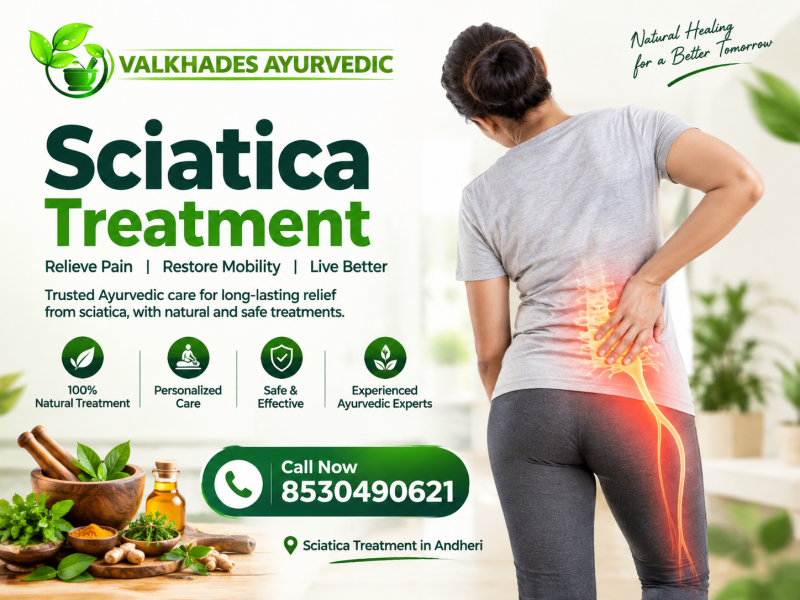
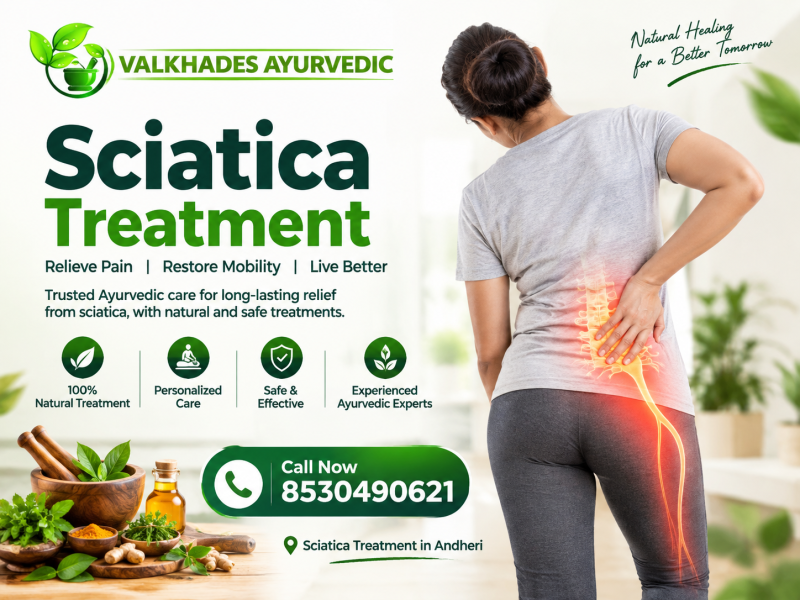
Sciatica Treatment in Andheri can help people looking for an Ayurvedic approach to managing pain that travels from the lower back through the buttock and into the leg. At Valkhades Ayurvedic, treatment is planned according to the individual's symptoms, health condition, and Ayurvedic assessment.
Sciatica can affect daily activities such as walking, sitting, sleeping, and working. Understanding the possible causes and choosing an appropriate treatment approach can help patients manage their symptoms more effectively.
What Is Sciatica?
Sciatica refers to pain associated with irritation or compression of the sciatic nerve. The discomfort commonly begins in the lower back or buttock and may extend down one side of the leg.
Depending on the underlying cause, symptoms may include:
- Pain travelling from the lower back into the leg
- Burning or shooting pain
- Tingling or numbness
- Weakness in the affected leg
- Pain that becomes worse with prolonged sitting or certain movements
Sciatica can have different causes, including a herniated disc, spinal narrowing, or other conditions affecting the nerves in the lower back. A proper evaluation is therefore important before starting treatment.
What Causes Sciatica?
Sciatica is usually a symptom rather than a condition by itself. Common causes include:
- Herniated or slipped discs
- Degenerative changes in the spine
- Spinal stenosis
- Injury affecting the lower back
- Muscle-related pressure around the sciatic nerve
The appropriate treatment depends on the cause, severity, duration, and symptoms experienced by the individual.
Ayurvedic Approach to Sciatica Treatment in Andheri
In Ayurveda, sciatica-like symptoms are commonly associated with Gridhrasi, a condition traditionally discussed in relation to Vata-related imbalance.
At Valkhades Ayurvedic, the approach begins with an assessment of the individual's symptoms and overall condition. The treatment plan may include Ayurvedic therapies, lifestyle guidance, diet recommendations, and other supportive measures based on the practitioner's evaluation.
The objective is to support mobility, manage discomfort, and promote overall musculoskeletal wellbeing.
Ayurvedic Therapies Used for Sciatic Pain
Depending on the individual's condition, an Ayurvedic practitioner may recommend therapies such as:
Kati Basti
Kati Basti involves retaining warm medicated oil over the lower-back region using a specially prepared herbal dough ring. It is traditionally used in Ayurveda for supporting the lower back and managing certain musculoskeletal complaints.
Abhyanga
Abhyanga is a traditional Ayurvedic oil massage. Depending on the practitioner's assessment, it may be incorporated into a broader treatment plan to support relaxation, mobility, and musculoskeletal comfort.
Swedana
Swedana refers to Ayurvedic therapeutic sweating or fomentation techniques. It may be recommended alongside other therapies depending on the individual's symptoms and treatment requirements.
These therapies should be performed under appropriate professional guidance rather than treated as generic massage procedures.
How Is the Right Treatment Selected?
There is no single treatment that is suitable for everyone with sciatic pain. During a consultation, an Ayurvedic practitioner may consider factors such as:
- Location and nature of the pain
- Duration of symptoms
- Mobility and physical activity
- Previous treatments
- Existing health conditions
- Lifestyle and daily routine
- Ayurvedic assessment
This personalised approach helps determine which therapies and lifestyle recommendations may be appropriate.
Why Consider Ayurvedic Care for Sciatic Pain?
People looking for Sciatica Treatment in Andheri may consider Ayurveda as a complementary or traditional approach to managing musculoskeletal discomfort.
An Ayurvedic treatment plan may focus on:
- Individualised care
- Traditional Ayurvedic therapies
- Lifestyle and dietary guidance
- Supporting mobility and comfort
- Long-term wellness practices
Treatment should be based on a professional assessment rather than relying on a single therapy or self-treatment.
When Should You Seek Medical Attention?
Not every episode of back or leg pain should be treated as ordinary sciatica. Seek prompt medical attention if you experience severe or worsening weakness, significant numbness, loss of bladder or bowel control, numbness around the groin or inner thighs, or severe symptoms following a serious injury.
A medical evaluation may also be appropriate when pain persists, repeatedly returns, or significantly affects your normal activities.
Why Choose Valkhades Ayurvedic in Andheri?
Valkhades Ayurvedic provides Ayurvedic care for individuals seeking traditional approaches to musculoskeletal and wellness concerns.
For people searching for Sciatica Treatment in Andheri, the clinic focuses on understanding the individual's condition before recommending a treatment plan. Therapies such as Kati Basti, Abhyanga, and Swedana may be considered when appropriate.
The goal is to provide structured Ayurvedic care rather than a one-size-fits-all approach.
Find the Right Approach for Sciatic Pain
Persistent pain travelling from the lower back into the leg can interfere with work, sleep, exercise, and everyday activities. Identifying the possible cause and getting an appropriate assessment is an important first step.
If you are exploring Sciatica Treatment in Andheri, consult Valkhades Ayurvedic to understand whether an Ayurvedic treatment approach is appropriate for your condition and what therapies may be recommended.
FAQ opportunities
1. What is sciatica?
Sciatica refers to pain associated with irritation or compression of the sciatic nerve, often causing pain that travels from the lower back into the leg.
2. What is the Ayurvedic treatment for sciatica?
Ayurvedic care may include therapies such as Kati Basti, Abhyanga, and Swedana, along with lifestyle and dietary guidance based on an individual's assessment.
3. Is sciatica called Gridhrasi in Ayurveda?
Gridhrasi is the Ayurvedic term traditionally associated with symptoms resembling sciatic pain, particularly pain that travels from the lower back or hip toward the leg.
4. When should someone with sciatica see a doctor?
Persistent or severe symptoms, significant weakness or numbness, bladder or bowel changes, or symptoms following serious injury require prompt medical evaluation.
5. Can Ayurveda be used for sciatica?
Ayurvedic therapies may be considered as part of an individual's care plan. The appropriate approach depends on the cause and severity of symptoms and should be determined after professional assessment.
Source:
Click for the: Full Story
You might like