Close Menu
 World
 Biography
 Health
 Education
 Business
 Lifestyle
 Sports
 Technology
 Animals
 History
 Food
 Religious
 Startups
 Movies
 Politics
 Fashion
 Covid
 Diet
 Fitness
 Marketing
 Travel
 Science
 Reviews
 Social media
 Stories
 Facts
 Art
 Entertainment
Rajan

Health
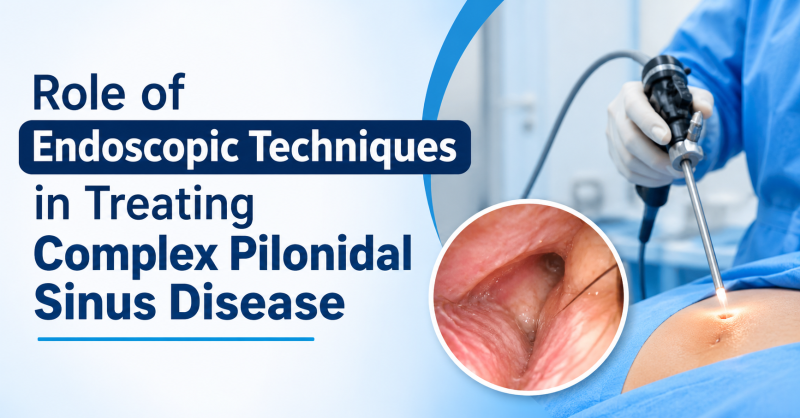
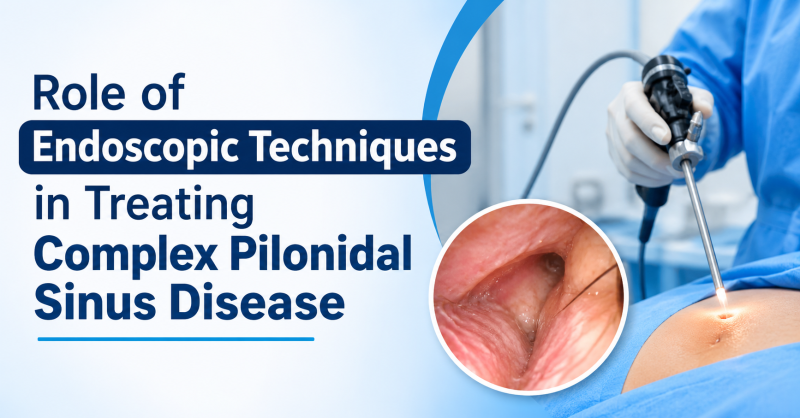
Role of Endoscopic Techniques in Treating Complex Pilonidal Sinus Disease
 Rajan
Pilonidal sinus is a small but stubborn problem. It starts as a tiny pit near the tailbone and can turn into repeated abscesses, discharge and pain that make sitting, working and sleeping difficult. For many patients, the real trouble begins after traditional surgery, when wounds heal slowly or the disease returns.
This is why many people now look for an endoscopic pilonidal sinus surgeon in Central Delhi. They want a less invasive option that treats the problem without a large open wound. This article explains how endoscopic techniques work, when they help in complex disease, and what to ask before choosing a surgeon.
What Makes a Pilonidal Sinus “Complex”?
A simple pilonidal sinus has one or two small openings and a single tract. Disease is usually called complex when it involves:
- Multiple openings and branching tracts under the skin
- Recurrence after previous surgery
- Repeated abscesses with chronic discharge
- Scarred, thickened skin from long-standing infection
- Non-healing wounds after an earlier excision
Complex disease is harder to treat because hidden tracts, hair and infected tissue can remain after a standard procedure. Whatever is left behind can cause the sinus to come back.
Traditional Surgery and Its Limits
The classic approach is wide excision, in which the whole affected area is cut out. Sometimes the wound is closed with a flap and sometimes it is left open to heal. These operations can work, but they have drawbacks:
- Large wounds that may take weeks or months to heal
- Frequent dressings and time away from work or study
- Visible scarring in a sensitive area
- A real risk of wound infection or recurrence
For people with complex or recurrent disease, these drawbacks add up, and that is where endoscopic methods have gained ground.
How Endoscopic Pilonidal Sinus Treatment Works
Endoscopic Pilonidal Sinus Treatment (EPSiT) was developed by Italian surgeon Piero Meinero and is based on a fistuloscope, a thin camera with a working channel. The surgeon sees the inside of the sinus on a monitor and treats it from within. In general, the procedure involves:
- Anaesthesia: Spinal or general anaesthesia, so the patient is comfortable.
- Preparation: The area is shaved and cleaned.
- Visualisation: The fistuloscope is inserted through the natural opening, giving a clear view of the main tract and any side branches.
- Cleaning the cavity: Hair, debris and infected tissue are removed with small instruments under direct vision.
- Ablation: The lining of the tract is destroyed, usually with electrocautery, so it can heal from the inside.
- Closure: Only small openings remain, and these are dressed.
Because the surgeon works under direct vision, the whole tract system can be explored. The tissue that is cut away is limited to what is actually diseased.
Why Endoscopy Helps in Complex Disease
Better visibility of hidden tracts. In branching or recurrent sinuses, the camera shows side channels that are easy to miss with open surgery alone.
Tissue preservation. The healthy skin and fat around the sinus are left largely intact, which suits a patient who has already had earlier surgeries.
Small wounds. Smaller wounds usually mean less pain, simpler aftercare and a quicker return to routine activity.
Lower scarring. There is no large scar in the natal cleft, which many patients find important.
Day-care potential. Many patients go home the same day or the next, though this depends on the individual case.
Who Is a Good Candidate?
Endoscopic treatment is most often considered for patients with:
- Chronic pilonidal sinus with discharge
- Recurrent disease after open surgery
- Multiple tracts that need careful exploration
- Skin over the sinus that is reasonably healthy
It is less suitable for an acute abscess with active, spreading infection. In that case the abscess is usually drained first, and endoscopic treatment is planned after the inflammation settles. Extensive disease with severely damaged skin may still need open or flap-based surgery. A surgeon should assess each patient and choose the technique that fits, rather than apply one method to everyone.
Recovery and Aftercare
Recovery after EPSiT is generally milder than after wide excision, but it still depends on good aftercare. Patients are typically advised to:
- Keep the area clean and dry, and follow dressing instructions
- Remove hair around the cleft regularly, by shaving or laser, as advised
- Avoid prolonged sitting during the first days
- Attend follow-up visits until the wound has fully healed
Hair control matters a great deal. Hair is central to how a pilonidal sinus forms, so neglecting it raises the chance of recurrence, whichever technique was used.
Choosing an Endoscopic Pilonidal Sinus Surgeon in Central Delhi
Interest in endoscopic pilonidal sinus treatment in Delhi has grown steadily, and results depend heavily on the surgeon’s experience with this particular technique. When comparing options, consider asking:
- How many endoscopic pilonidal procedures does the surgeon perform in a year?
- Is the surgeon experienced in managing recurrent or complex cases?
- What is the plan if endoscopic treatment is not suitable?
- What is the follow-up and hair-removal advice after surgery?
- What are the realistic recurrence rates, and how are they tracked?
Dr. Tarun Mittal is a general and laparoscopic surgeon based in Delhi. He works at Sir Ganga Ram Hospital, Sir Ganga Ram Hospital Marg, Old Rajinder Nagar, New Rajinder Nagar, New Delhi, Delhi, 110060, which is conveniently reachable from many parts of Central Delhi. Patients who want an opinion on whether their sinus is suitable for a minimally invasive approach can [consult a surgeon experienced in endoscopic pilonidal procedures and discuss the options openly.
Conclusion
Complex pilonidal sinus disease is often frustrating because of hidden tracts, recurrences and slow-healing wounds. Endoscopic techniques offer a more precise and less invasive route. They let the surgeon see inside the sinus, remove only what is diseased and leave a much smaller wound. They are not right for every patient, and good results still depend on careful selection, thorough cleaning and disciplined aftercare.
If you are searching for an endoscopic pilonidal sinus surgeon in Central Delhi, look for someone who will examine you properly, explain the options honestly and match the technique to your condition. An informed conversation with an experienced surgeon is the best first step toward lasting relief.
Disclaimer: This article is for general information only and is not a substitute for professional medical advice. Please consult a qualified surgeon for diagnosis and treatment.
Frequently Asked Questions
1. Is endoscopic pilonidal sinus treatment painful?
It is done under anaesthesia, so there is no pain during the procedure. Afterwards, most patients report mild discomfort that is manageable with standard painkillers, usually less than after wide excision.
2. How long does the procedure take?
It commonly takes 30 to 60 minutes, depending on how many tracts there are and how complex they are.
3. Can a pilonidal sinus come back after endoscopic treatment?
Recurrence is possible with any technique. The risk is lowered by complete removal of hair and infected tissue and by good hair control afterwards, and this is why follow-up matters.
4. Is endoscopic treatment suitable for recurrent pilonidal sinus?
Often yes, particularly when the skin is healthy. Because the surgeon can see the whole tract system, it is a useful option after failed open surgery. Suitability is decided after examination.
5. When can I return to work?
Many patients resume light activity within a few days. The exact timing depends on the extent of disease and on the surgeon’s advice.
Source:
Click for the: Full Story
You might like