Close Menu
 World
 Biography
 Health
 Education
 Business
 Lifestyle
 Sports
 Technology
 Animals
 History
 Food
 Religious
 Startups
 Movies
 Politics
 Fashion
 Covid
 Diet
 Fitness
 Marketing
 Travel
 Science
 Reviews
 Social media
 Stories
 Facts
 Art
 Entertainment
Deepak

Health
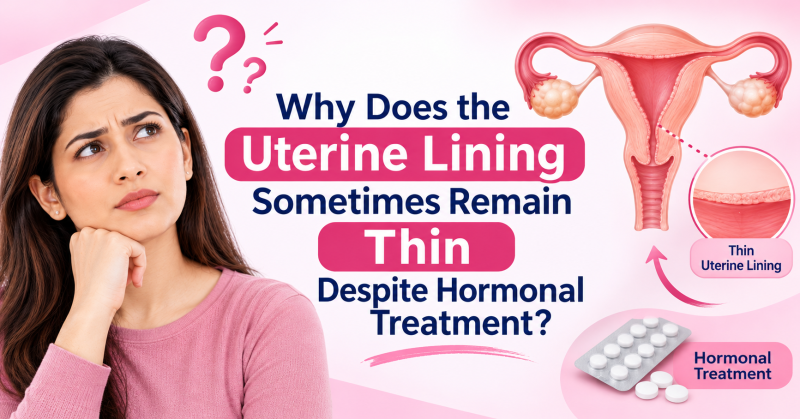
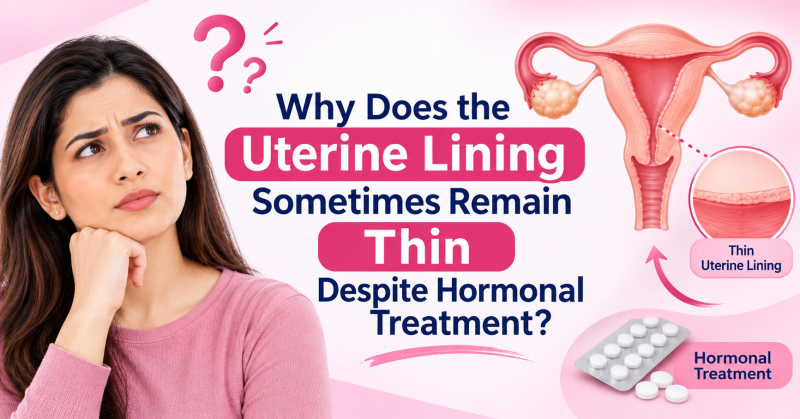
Why Does the Uterine Lining Sometimes Remain Thin Despite Hormonal Treatment?
 Deepak
Many women are told that their uterine lining, called the endometrium, is too thin for embryo implantation. Estrogen tablets, patches or injections are often prescribed to help it grow. But in some cases, the lining remains thin even after weeks of treatment. This can be frustrating, especially when everything else in the cycle looks well planned.
A thin lining is not always a dead end. It usually points to an underlying reason that can be explored. An Infertility specialist in Delhi can help identify that reason, and understanding it is the first step toward deciding what to do next.
What Is Considered a Thin Uterine Lining?
The endometrium thickens through the menstrual cycle in response to hormones, mainly estrogen. Doctors measure it by ultrasound. Many fertility specialists regard a thickness below roughly 7 mm around the time of implantation as thin, although there is no single universal cut-off. Some women conceive with a thinner lining, while others with a thicker one do not.
Thickness is only one part of the picture. The lining’s pattern on ultrasound, its blood supply and its overall receptivity also matter.
Why Does the Lining Stay Thin Despite Hormonal Treatment?
Hormones can only work if the lining is able to respond to them. When it does not respond well, one or more of the following may be involved.
Reduced response of the endometrium
Estrogen acts through receptors in the lining. In some women, the tissue responds poorly even when blood estrogen levels are adequate. The reason is not always identifiable.
Scarring or adhesions inside the uterus
Previous uterine surgery, repeated curettage or infection can damage the basal layer of the endometrium, the layer that regenerates the lining each month. Scarring, sometimes called Asherman’s syndrome, can limit how much the lining grows. This may happen even when periods are still occurring.
Reduced blood flow to the uterus
The endometrium needs good blood supply to grow. Reduced uterine blood flow may limit its development, though the role of blood flow in fertility is still being studied and its significance varies between patients.
Chronic endometritis or past infections
Persistent low-grade inflammation or earlier pelvic infection, including tuberculosis in some cases, may affect how the lining develops. These conditions are not always obvious without specific tests.
Medication effects
Certain medicines used to stimulate ovulation, such as clomiphene citrate, can sometimes thin the lining in a few women. Your doctor can review whether a change in medicine is appropriate.
Hormonal and medical conditions
Thyroid problems, high prolactin, PCOS or poor ovarian response may influence how the lining develops. General health and lifestyle factors may also play a role.
Age and reduced ovarian function
As ovarian reserve declines, hormonal signals may be less consistent. This can affect endometrial growth in some women.
How Is a Thin Lining Evaluated?
A careful assessment helps avoid guesswork. Depending on your history, a specialist may suggest:
- Serial transvaginal ultrasound to track thickness and pattern across the cycle
- Hormone tests, including estradiol, thyroid function and prolactin
- Saline sonography or hysteroscopy to look inside the uterine cavity for adhesions, polyps or other changes
- Doppler studies in selected cases to assess blood flow
- Endometrial tests where chronic inflammation is suspected
- Review of past surgeries, infections and treatment records
Not every woman needs every test. The aim is to match the investigation to your story.
What Options May Be Considered?
Treatment depends on the cause, and results differ between individuals. No approach works for everyone, and outcomes cannot be guaranteed. Options a doctor may discuss include:
- Adjusting the estrogen dose, route or duration
- Extending the time given for lining preparation
- Treating adhesions or other structural problems through hysteroscopy
- Treating infection or inflammation if identified
- Reviewing and changing ovulation-induction medicines
- Addressing thyroid, prolactin or other medical issues
- Planning a freeze-all approach so the embryo can be transferred in a more carefully prepared cycle
- Considering supportive measures only where evidence and clinical judgment support them
Lifestyle measures such as a balanced diet, regular moderate activity, adequate sleep and avoiding smoking may support general reproductive health, but they should not replace medical evaluation.
Does a Thin Lining Mean Pregnancy Is Not Possible?
Not necessarily. Pregnancies have been reported in women with thinner linings, particularly when the lining shows a good pattern and the embryo is of good quality. At the same time, a persistently very thin lining can make implantation harder. Your doctor will weigh thickness along with the other findings rather than rely on a single number.
When Should You Consult an Infertility Specialist in Delhi?
It may be time to seek expert advice if:
- Your lining has stayed thin across more than one cycle
- You have had uterine surgery, repeated curettage or a past infection
- Your periods have become very light or have stopped
- An embryo transfer was cancelled because of the lining
- You have had repeated unsuccessful transfers
Women often look for an explanation of why the lining is not responding, rather than only another dose adjustment. A specialist reviewing your scans, hormone reports and uterine health together can give a clearer direction.
Local Care for Patients in East Delhi
Lining preparation usually needs repeated ultrasound scans and close follow-up. For patients in East Delhi and nearby areas, consulting an Infertility Specialist In Yamuna Vihar Delhi can make these visits easier to manage during treatment.
A thin lining can feel discouraging, but it is a recognised and evaluated condition. With a proper diagnosis and a plan built around your own situation, the next steps become clearer.
If you want consultation regarding fertility treatment, you can visit Dr Poonam Goyal at:
- C-3/63A, 64A, opp. Gokulpuri police station, Block C, Panchsheel Hospital, Yamuna Vihar, Shahdara, Delhi, 110053
- HOD IVF & Infertility, Max Superspeciality Hospital, Vaishali
FAQs
1. What thickness of uterine lining is considered thin?
A lining under about 7 mm around the time of implantation is often considered thin, though there is no universal cut-off. Pattern and blood supply are also taken into account.
2. Why does my lining stay thin even with estrogen?
The lining may not respond well because of scarring, reduced blood flow, past infection, medication effects or hormonal and medical conditions. Sometimes the cause is not clearly identified.
3. Can scarring inside the uterus cause a thin lining even if I have periods?
Yes. Adhesions or damage to the basal layer can limit lining growth even when periods continue. A hysteroscopy or saline sonography can help check for this.
4. Can I still get pregnant with a thin uterine lining?
It is possible in some cases, but a very thin lining may reduce the chance of implantation. Your doctor will assess your overall situation before advising.
5. When should I consult an infertility specialist about a thin lining?
Consider it if the lining has stayed thin over more than one cycle, if you have had uterine surgery or infection, or if a transfer was postponed because of the lining.
Source:
Click for the: Full Story
You might like