Close Menu
 World
 Biography
 Health
 Education
 Business
 Lifestyle
 Sports
 Technology
 Animals
 History
 Food
 Religious
 Startups
 Movies
 Politics
 Fashion
 Covid
 Diet
 Fitness
 Marketing
 Travel
 Science
 Reviews
 Social media
 Stories
 Facts
 Art
 Entertainment
Rajan

Health
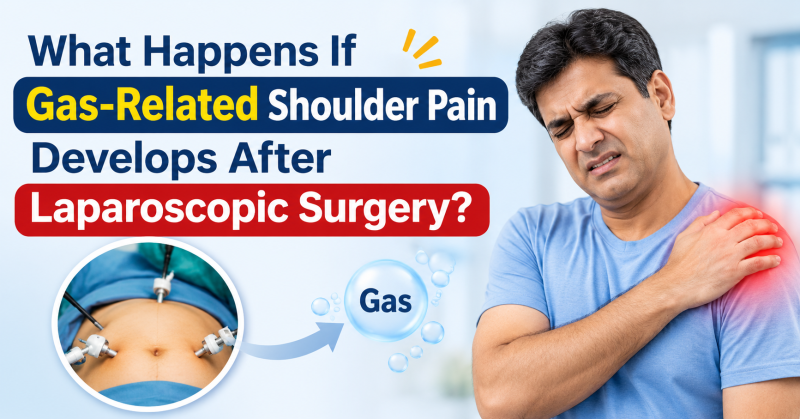
What Happens If Gas-Related Shoulder Pain Develops After Laparoscopic Surgery?
 Rajan
You wake up after a keyhole operation, the abdominal wounds feel manageable, and then a dull ache appears in your shoulder tip. It is confusing, because nobody operated near your shoulder.
This is one of the most common surprises after laparoscopic surgery, and in most patients it is temporary and not a sign of a complication. Knowing why it happens, how long it lasts and which symptoms need attention helps you recover calmly. The same questions are worth asking whichever surgeon you consult, whether you are looking for the best laparoscopic surgeon in Sir Ganga Ram Hospital or elsewhere in Delhi.
Why Does Gas Cause Shoulder Pain?
Laparoscopic surgery needs space to work. The surgeon gently inflates the abdomen with carbon dioxide (CO₂) so that the organs lift away from the abdominal wall and the camera has a clear view.
The gas also presses against the diaphragm, the dome-shaped muscle under your lungs. The diaphragm is supplied by the phrenic nerve, which arises from the same spinal nerve roots (C3–C5) that carry sensation from the shoulder region. When the diaphragm is stretched or irritated by leftover gas, the brain misreads the signal as coming from the shoulder. This is called referred pain.
Typically the pain:
- is felt at the shoulder tip, sometimes along the collarbone, neck or upper back
- is dull, aching or sharp, and can worsen when you breathe deeply or lie flat
- is more noticeable when you sit or stand up, as gas shifts upward
- may be felt on one or both sides
How Long Does It Last?
For most people, gas-related shoulder pain settles within 24 to 72 hours, and often sooner, as the body absorbs the CO₂ and the diaphragm relaxes. Some patients take a few days longer. How strongly it is felt varies from person to person, and also depends on the type of surgery and the gas pressure used.
What You Can Do for Relief
Always follow the instructions your surgical team gives you. These measures are generally considered safe and helpful:
- Walk early. Short, gentle walks (once your surgeon permits) help the body absorb and move the gas.
- Change position. Sitting upright, or lying on your side with a pillow supporting the shoulder, often feels better than lying flat.
- Use gentle warmth. A warm (not hot) compress on the shoulder may ease the ache. Protect your skin and avoid heat over the surgical wounds.
- Take prescribed pain medicine on schedule. Do not wait for the pain to become severe, and do not add medicines on your own, especially if you have kidney, stomach or liver conditions.
- Do slow, deep breathing. Gentle breathing exercises can keep the lungs expanded and may reduce discomfort.
- Stay hydrated and eat lightly as advised, since constipation and bloating can add to the discomfort.
Avoid massaging the shoulder hard or forcing stretches. The problem is not in the shoulder muscles, so aggressive movement will not fix it.
How Surgeons Try to Reduce It
Prevention is part of good surgical technique. Several approaches have been studied for lowering post-laparoscopic shoulder pain, including:
- using the lowest insufflation pressure that still gives safe visibility
- removing as much residual gas as possible before finishing the procedure
- using warmed, humidified gas in some settings
- a gentle lung recruitment manoeuvre by the anaesthesia team at the end of surgery
Which of these are used depends on the operation, the patient and the hospital's protocols. It is reasonable to ask your surgeon how gas pain is managed after your procedure.
When to Contact Your Surgeon or Go to Emergency
Shoulder pain can occasionally have causes other than gas, so do not ignore these warning signs:
- chest pain, difficulty breathing or coughing blood (seek emergency care immediately)
- swelling, pain or redness in one calf, which can indicate a blood clot
- fever, worsening abdominal pain or a rigid abdomen
- repeated vomiting or inability to eat or drink
- yellowing of the eyes or skin, or very dark urine
- not passing urine, stool or gas for an extended period
Complications after laparoscopy are uncommon, but early review makes them much easier to manage. Never wait it out if something feels clearly wrong.
Choosing the Right Surgeon Matters for Recovery
How comfortable your recovery is depends partly on surgical planning, technique, anaesthesia care and follow-up. When comparing surgeons, look beyond online rankings and ask:
- How many laparoscopic procedures like mine does the surgeon regularly perform?
- What is the plan for pain control and early mobilisation?
- Who do I contact after discharge, and how quickly can I be seen?
- What symptoms should make me return immediately?
Patients in Central Delhi often look for experienced care close to home. Dr. Tarun Mittal, a laparoscopic surgeon with over 20 years of experience at Sir Ganga Ram Hospital, practises at Old Rajendra Nagar, New Delhi, and is among the surgeons patients in the area consult for keyhole procedures. A consultation helps you understand whether laparoscopy suits your condition, what recovery looks like, and how post-surgery discomfort such as gas pain is handled.
Recovery Timeline at a Glance
- Day 0–1: Wound soreness, bloating and shoulder-tip pain are most common. Early walking begins.
- Day 2–3: Gas pain usually fades. Appetite and energy improve.
- Week 1: Most patients resume light daily activity, depending on the procedure.
- Weeks 2–4: Gradual return to normal routines and exercise, as advised by the surgeon.
Recovery differs after gallbladder, hernia, appendix or gynaecological procedures, so treat these as general ranges.
Conclusion
Gas-related shoulder pain after laparoscopic surgery is a harmless but uncomfortable echo of the CO₂ used to make the operation possible. For most patients it fades in a day or two with walking, good positioning, warmth and prescribed pain relief. What matters is recognising the exceptions: chest pain, breathlessness, fever, severe or worsening pain, or persistent vomiting need prompt medical attention. Choosing an experienced surgeon and a hospital with a clear post-operative plan makes the whole journey smoother and less stressful.
This article is for general education and does not replace personal medical advice. Please consult your treating surgeon about your specific condition.
Frequently Asked Questions
1. Is shoulder pain after laparoscopic surgery normal?
Yes. It is a well-recognised effect of the CO₂ used during surgery and usually resolves within a few days without treatment beyond simple comfort measures.
2. Can gas pain after laparoscopy last a week?
It is uncommon but possible for mild discomfort to linger. If pain persists beyond three to four days, worsens, or comes with fever, vomiting or breathing trouble, contact your surgeon.
3. Does lying down make shoulder pain worse?
Often, yes. Lying flat lets the gas move upward toward the diaphragm. Sitting up, walking or lying on your side usually helps.
4. Can I use a heating pad or take painkillers for it?
A warm compress on the shoulder is generally acceptable. For medicines, use only what your surgical team prescribed or approved, since the right choice depends on your health and the procedure.
5. How do I find an experienced laparoscopic surgeon in Delhi or Rajinder Nagar?
Check training and experience, ask about volume and outcomes for your specific procedure, review hospital facilities and follow-up systems, and make sure you feel heard at the consultation. Searching for the best laparoscopic surgery in Rajinder Nagar or the best laparoscopic surgeon in Delhi is a starting point, but a face-to-face discussion is what really helps you decide.
Source:
Click for the: Full Story
You might like