Close Menu
 World
World
 Biography
 Health
 Education
 Business
 Lifestyle
 Sports
 Technology
 Animals
 History
 Food
Food
 Religious
 Startups
 Movies
 Politics
 Fashion
 Covid
Covid
 Diet
Diet
 Fitness
 Marketing
 Travel
 Science
 Reviews
 Social media
 Stories
 Facts
Facts
 Art
Art
 Entertainment
Rajan

Health
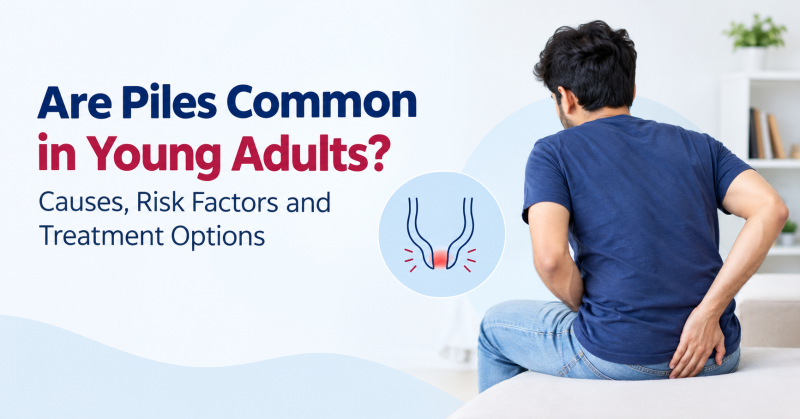
Are Piles Common in Young Adults? Causes, Risk Factors and Treatment Options
 Rajan
Rajan
Piles, also called haemorrhoids, are often thought of as a problem of middle age. Yet more young adults in their 20s and 30s are now walking into clinics with rectal bleeding, pain, or discomfort. Many delay seeking help out of embarrassment or assume the problem is too minor to matter. If you are in this situation, or you are comparing options for the best piles treatment in Delhi, this guide explains why piles occur in young people, how they are treated, and when to see a specialist.
What Are Piles?
Piles are swollen blood vessels in and around the anus and lower rectum. They are a normal part of anal anatomy, as cushions of tissue that help control stool. They become a problem when they enlarge, inflame, or slip out of position.
There are two main types:
- Internal piles: Form inside the rectum. They are usually painless but may bleed.
- External piles: Form under the skin around the anus. They can be itchy, painful, and swollen.
Are Piles Really Common in Young Adults?
Yes. Piles are among the most common anorectal conditions at any age, and they are increasingly seen in people under 40. Modern lifestyles are a major reason, including long hours of sitting, low-fibre diets, irregular meals, and high stress. Many young people also ignore early symptoms, so a mild problem progresses before they seek care.
Causes and Risk Factors
Piles develop when pressure in the veins of the lower rectum rises. Common contributors include:
- Constipation and straining: The most frequent cause
- Low-fibre, processed, or fast-food diets
- Insufficient water intake
- Prolonged sitting, including on the toilet while using a phone
- Sedentary work and lack of exercise
- Chronic diarrhoea or frequent laxative use
- Heavy weightlifting with breath-holding
- Obesity
- Pregnancy and childbirth in women
- Family history of piles
- Spicy food and alcohol, which may aggravate symptoms in some people
Symptoms to Watch For
Typical signs include:
- Bright red blood on toilet paper, in the toilet bowl, or on stool
- Itching or irritation around the anus
- Pain or discomfort, especially when sitting or passing stool
- A lump near the anus
- A feeling of incomplete evacuation
- Mucus discharge
Piles are the commonest cause of painless rectal bleeding, but they are not the only one. Fissures, infections, inflammatory bowel disease, and, rarely, colorectal tumours can cause similar symptoms. This is why bleeding should never be self-diagnosed.
Grades of Internal Piles
Doctors classify internal piles into four grades, which guide treatment:
- Grade 1: Bleed but do not prolapse
- Grade 2: Prolapse during a bowel movement and go back in on their own
- Grade 3: Prolapse and need to be pushed back manually
- Grade 4: Remain permanently outside and cannot be pushed back
Treatment Options
Most young adults with early piles improve without surgery.
Lifestyle and Home Measures
- Eat more fibre through fruit, vegetables, oats, pulses, and whole grains
- Drink enough water through the day
- Avoid straining, and do not sit on the toilet for long periods
- Exercise regularly and avoid long stretches of sitting
- Take warm sitz baths for 10 to 15 minutes to relieve discomfort
Medicines
Stool softeners, fibre supplements, and prescribed creams or ointments can ease symptoms. Creams provide relief but do not remove the piles, and prolonged use of steroid creams should be avoided without advice.
Office Procedures
For grade 1 to 3 piles that do not respond to lifestyle changes:
- Rubber band ligation: A small band cuts off the blood supply to the pile
- Sclerotherapy: An injection that shrinks the pile
- Infrared coagulation: Heat energy hardens the tissue
Surgical Options
Surgery is considered for larger, recurrent, or grade 3 and 4 piles:
- Haemorrhoidectomy: Removal of the piles
- Stapled haemorrhoidopexy: Repositions and fixes prolapsed tissue
- Laser or other minimally invasive techniques: Selected cases, with less post-operative pain
The right procedure depends on the grade, symptoms, and your general health.
When to See a Doctor
Do not wait if you notice:
- Rectal bleeding that is recurrent or heavy
- Pain that is severe or worsening
- A change in bowel habits lasting more than a few weeks
- Dark or black stools, or unexplained weight loss
- A lump that stays outside or turns very painful
- Dizziness or weakness along with bleeding
Younger patients are sometimes reassured too quickly that bleeding is “just piles.” A proper examination, and a colonoscopy where indicated, rules out other causes.
Choosing the Right Care in Delhi
Piles treatment is usually straightforward, but accurate diagnosis and the right choice of procedure make a real difference to recovery and recurrence. When searching for the best piles treatment in Delhi, consider:
- A thorough examination rather than a quick prescription
- Experience in both non-surgical and surgical treatment
- Clear explanations of options, risks, and recurrence
- Modern facilities for minimally invasive procedures
- Willingness to advise lifestyle changes and follow-up
Convenience matters because follow-up visits are often needed. That is why many patients look for the best piles treatment in Central Delhi or the best piles treatment in Rajinder Nagar, close to established hospitals. Surgeons such as Dr. Tarun Mittal, a GI and anorectal surgeon in Delhi, are among the specialists patients commonly consult, though the best choice depends on your diagnosis and a personal examination.
Preventing Piles and Recurrence
- Aim for 25 to 30 grams of fibre daily
- Respond to the urge to pass stool without delay
- Limit toilet time to a few minutes and keep phones out of the bathroom
- Stay active and break up long periods of sitting
- Maintain a healthy weight
- Breathe out, rather than hold your breath, when lifting weights
Conclusion
Piles are common in young adults, and they are usually linked to constipation, low-fibre diets, and sedentary routines. The good news is that most cases respond well to lifestyle changes and, when needed, minimally invasive treatment. Do not ignore bleeding or discomfort out of embarrassment. If symptoms persist, book an evaluation and look for the best piles treatment in Delhi that offers accurate diagnosis, honest advice, and a plan tailored to you.
Visit Dr. Tarun Mittal
If you would like to discuss piles or other anorectal conditions in person, you can consult Dr. Tarun Mittal at:
Sir Ganga Ram Hospital, Old Rajendra Nagar, New Delhi-110060
Please book an appointment in advance and carry your previous reports and a list of current medicines to make the consultation more useful.
Disclaimer: This article is for general information only and is not a substitute for personal medical advice. Please consult a qualified specialist before making any treatment decision.
Frequently Asked Questions
1. Can a 20-year-old get piles?
Yes. Piles can occur at any adult age, and are increasingly seen in people in their 20s and 30s due to constipation, low-fibre diets, and sedentary habits.
2. Can piles go away without treatment?
Mild piles often improve with diet, hydration, and good bowel habits. Persistent or advanced piles need medical treatment.
3. Is rectal bleeding always due to piles?
No. Other conditions, including fissures, infections, and colorectal disease, can cause bleeding. Persistent bleeding should be examined by a doctor.
4. Do all piles need surgery?
No. Most early piles are managed with lifestyle changes, medicines, or minor procedures. Surgery is reserved for advanced or recurrent cases.
5. How do I find the best piles treatment in Delhi?
Look for an experienced surgeon, accurate diagnosis, a range of treatment options, and good follow-up. A second opinion is reasonable if you are unsure.
Source:
Click for the: Full Story
You might like