Close Menu
 World
World
 Biography
 Health
 Education
 Business
 Lifestyle
 Sports
 Technology
 Animals
 History
 Food
Food
 Religious
 Startups
 Movies
 Politics
 Fashion
 Covid
Covid
 Diet
Diet
 Fitness
 Marketing
 Travel
 Science
 Reviews
 Social media
 Stories
 Facts
Facts
 Art
Art
 Entertainment
Rajan

Health
When Should You Consult an Obesity Specialist in Delhi?
 Rajan
Rajan
Many people try diets, gym memberships, and home remedies for years before speaking to a doctor about their weight. Obesity is a chronic medical condition, not a lack of willpower, and like other chronic conditions it responds best to early, structured care. If you have been wondering whether it is time to seek professional help, or you are comparing options for the best obesity treatment in Delhi, this guide explains the signs that point to a specialist and what the consultation involves.
Understanding Obesity as a Medical Condition
Obesity is generally defined by body mass index (BMI). For Indians, the thresholds are lower than the international standard because of a higher risk of diabetes and heart disease at lower weights:
- Overweight: BMI 23 to 24.9
- Obesity: BMI 25 and above (Asian-Indian criteria)
- Severe obesity: BMI 32.5 and above, according to Indian guidance for surgery eligibility
BMI is only a starting point. Waist circumference, body fat distribution, and associated health problems matter just as much. Abdominal fat in particular is strongly linked to insulin resistance.
Signs It Is Time to See an Obesity Specialist
Consider a consultation if any of the following apply:
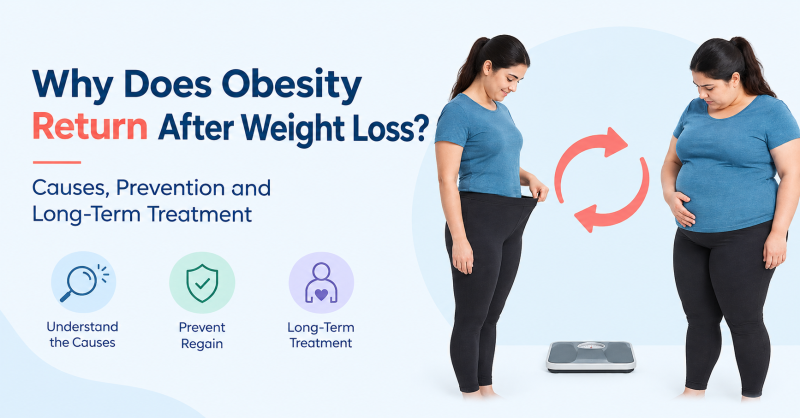
- Repeated unsuccessful weight loss. You have lost weight several times through diet and exercise but regained it.
- BMI in the obesity range. Especially if it is 30 or above, or 27.5 or above with other conditions.
- Weight-related health problems. These include type 2 diabetes, high blood pressure, high cholesterol, fatty liver, or sleep apnoea.
- Joint pain. Knee, hip, or back pain that limits walking and exercise.
- Breathlessness or fatigue during routine activities such as climbing stairs.
- Hormonal or reproductive concerns, such as PCOS or irregular periods.
- Rapid, unexplained weight gain. This may point to thyroid disease or other medical causes.
- Emotional distress. Binge eating, low self-esteem, or anxiety about weight.
You do not need to wait for a serious complication. Early evaluation often means simpler treatment.
What Happens During an Obesity Consultation?
A thorough evaluation usually includes:
- Medical and weight history: Past attempts, eating patterns, medicines, family history
- Physical examination: Weight, height, BMI, waist measurement, blood pressure
- Blood tests: Blood sugar, HbA1c, lipid profile, thyroid, liver and kidney function, and vitamin levels
- Screening for related conditions: Sleep apnoea, fatty liver, and heart risk
- Nutrition and lifestyle review: Often with a dietitian
- Psychological assessment: Where relevant, to identify emotional eating
The aim is to understand why you are gaining weight and to build a plan around your health profile.
Treatment Options for Obesity
Treatment is stepped, and surgery is not the first option for everyone.
Lifestyle and Dietary Management
A supervised programme with calorie planning, protein-focused meals, and structured exercise suits people with mild to moderate obesity.
Medication
Prescription anti-obesity medicines may be considered for some patients, along with lifestyle changes. These should only be taken under medical supervision.
Endoscopic Procedures
Non-surgical options such as intragastric balloons may suit selected patients who do not meet surgical criteria.
Bariatric (Weight-Loss) Surgery
Surgery is generally considered for people with:
- BMI of 35 or above, or 32.5 and above with obesity-related conditions, in line with Asian guidelines
- Failure of supervised non-surgical attempts
- Willingness to commit to long-term follow-up
Common procedures include:
- Sleeve gastrectomy: Removes a large portion of the stomach to limit intake and reduce hunger.
- Roux-en-Y gastric bypass: Creates a small pouch and reroutes the intestine, often preferred in diabetes or severe reflux.
- Mini gastric bypass: A simpler variation with a single connection.
Many of these are now done laparoscopically or with robotic assistance, which means smaller incisions and quicker recovery.
Choosing the Right Specialist and Centre
Obesity care works best through a team rather than a single doctor. When comparing options for the best obesity treatment in Delhi, look for:
- Experience in both non-surgical and surgical weight management
- A multidisciplinary team including dietitians, physicians, anaesthetists, and psychologists
- Honest discussion of risks, expected results, and lifelong supplementation
- Advanced hospital infrastructure and intensive care backup
- A structured follow-up programme for at least two years
- No pressure to choose surgery if it is not needed
Location matters too, since follow-up visits are frequent in the first year. This is why many patients search for the best obesity surgery in Central Delhi or the best obesity surgeon in Rajinder Nagar, to stay close to large hospitals and specialist teams. Surgeons such as Dr. Tarun Mittal, a bariatric and GI surgeon in Delhi, are among the specialists patients commonly consult, though the right decision depends on your health profile and a personal evaluation.
Questions to Ask at Your First Visit
- Am I a candidate for surgery, or should I start with non-surgical options?
- What results can I realistically expect, and over what period?
- What are the risks and possible complications?
- What will my diet look like before and after treatment?
- Which supplements will I need, and for how long?
- What does follow-up involve, and who will I see?
Conclusion
You should consider consulting an obesity specialist when weight affects your health, daily life, or emotional wellbeing, or when repeated attempts to lose weight have not lasted. Early assessment opens up more options and can prevent complications such as diabetes, joint damage, and heart disease. When you are ready, take time to compare teams and approaches, and choose the best obesity treatment in Delhi for your situation, one that offers honest advice and long-term support.
Visit Dr. Tarun Mittal
If you would like to discuss obesity treatment or weight-loss surgery options in person, you can consult Dr. Tarun Mittal at:
Sir Ganga Ram Hospital, Old Rajendra Nagar, New Delhi-110060
Please book an appointment in advance and carry your previous reports, including blood tests and a list of current medicines, to make the consultation more useful.
Disclaimer: This article is for general information only and is not a substitute for personal medical advice. Individual results vary. Please consult a qualified specialist before making any treatment decision.
Frequently Asked Questions
1. At what BMI should I see an obesity specialist?
For Indians, a BMI of 25 or above is classed as obesity, and a consultation is sensible, particularly with diabetes, high blood pressure, or other weight-related problems.
2. Do I need surgery if I consult an obesity specialist?
No. Many patients are managed with diet, exercise, and medicines. Surgery is advised only when it is medically appropriate and other approaches have not worked.
3. Is weight-loss surgery safe?
Modern bariatric surgery has a low complication rate in experienced hands, though every operation carries risk. Careful assessment and follow-up improve safety.
4. Can obesity surgery help with diabetes?
Yes. Many patients see significant improvement in blood sugar after procedures such as gastric bypass or sleeve gastrectomy, sometimes within days to weeks.
5. How do I find the best obesity treatment in Delhi?
Look at the team’s experience, the range of treatments offered, hospital facilities, and follow-up support. Taking a second opinion is perfectly reasonable.
Source:
Click for the: Full Story
You might like