Close Menu
 World
World
 Biography
 Health
 Education
 Business
 Lifestyle
 Sports
 Technology
 Animals
 History
 Food
Food
 Religious
 Startups
 Movies
 Politics
 Fashion
 Covid
Covid
 Diet
Diet
 Fitness
 Marketing
 Travel
 Science
 Reviews
 Social media
 Stories
 Facts
Facts
 Art
Art
 Entertainment
Rajan

Health
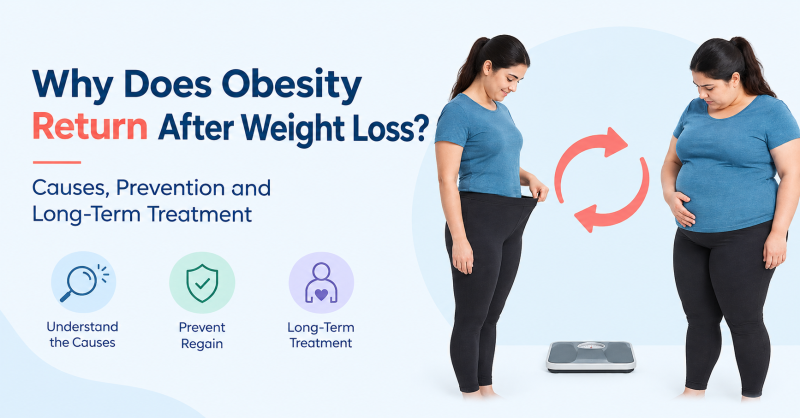
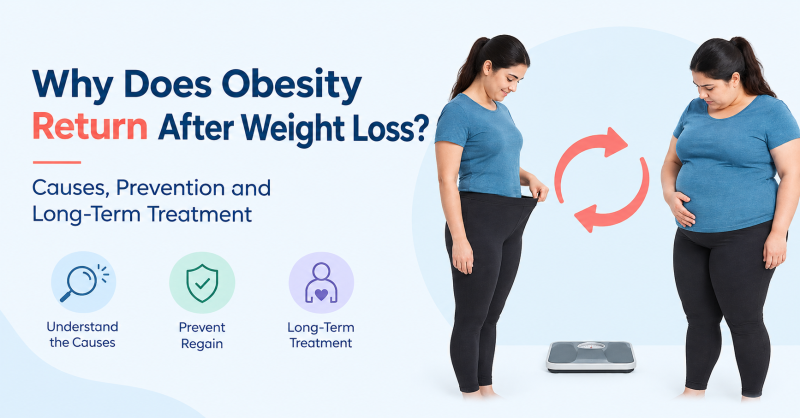
Why Does Obesity Return After Weight Loss? Causes, Prevention and Long-Term Treatment
 Rajan
Rajan
You finally lose 10, 15 or 25 kilos, and then the weight creeps back. If this has happened to you, you are far from alone, and it is not a personal failure. Obesity is a chronic, relapsing condition, and the body is built to defend its higher weight.
Understanding why weight returns is the first step toward choosing the best obesity treatment in Delhi or anywhere else, because the right plan treats the biology, not just the number on the scale.
Why Does Weight Come Back After Weight Loss?
Most people blame willpower. Research points elsewhere. Weight regain is usually a mix of hormonal, metabolic, behavioural and environmental factors.
1. Hormonal Changes
When you lose weight, levels of leptin (the hormone that signals fullness) fall, while ghrelin (the hunger hormone) rises. Other gut hormones that regulate appetite also shift. The result is a stronger appetite and less satisfaction after meals. This effect can last for a year or more after weight loss.
2. Metabolic Adaptation
A smaller body needs fewer calories, but the body often burns even less than expected. This “adaptive thermogenesis” means that eating what once maintained your weight can now cause regain.
3. The Biological “Set Point”
The brain, particularly the hypothalamus, tends to defend a weight range it has become used to. Sustained lower weight is therefore treated as a threat, and the body pushes back.
4. Muscle Loss During Crash Diets
Extreme or very-low-calorie diets burn muscle along with fat. Less muscle means a slower metabolism, which makes regain easier.
5. Lifestyle and Emotional Factors
- Returning to old eating patterns once the “diet” ends
- Stress, poor sleep and emotional eating
- Reduced physical activity
- Lack of follow-up, support or accountability
- Medical factors such as hypothyroidism, PCOS, insulin resistance or certain medications
Why Quick-Fix Methods Rarely Last
Fad diets, detox plans and extreme restriction create short-term results but are impossible to sustain. They often trigger a cycle of losing and regaining weight, which can make future weight loss harder. Sustainable change needs a plan built around your body, your habits and your medical history.
How to Prevent Weight Regain
Prevention starts the day you begin losing weight, not after you reach your goal.
- Lose weight gradually. A pace of roughly 0.5 to 1 kg per week protects muscle and is easier to maintain.
- Prioritise protein and strength training. Both help preserve lean mass and keep metabolism steady.
- Stay active. Many people who keep weight off exercise about 150 to 300 minutes per week, including walking.
- Sleep 7 to 8 hours. Poor sleep raises ghrelin and cravings.
- Manage stress. Chronic stress raises cortisol, which promotes fat storage and emotional eating.
- Track your weight regularly. Weekly weigh-ins help you catch a small regain of 2 to 3 kg before it becomes 10.
- Keep follow-ups. Ongoing contact with a doctor, dietitian or counsellor significantly improves long-term results.
Long-Term Treatment Options for Obesity
Because obesity is a chronic disease, long-term management often needs more than diet and exercise alone. Options include the following.
Medical Management
Doctors may evaluate hormonal and metabolic conditions and prescribe anti-obesity medications where appropriate. Newer medicines such as GLP-1 based therapies can reduce appetite effectively, but they must be taken under medical supervision, and weight often returns if they are stopped without a maintenance plan.
Behavioural and Nutritional Therapy
Working with a qualified dietitian and, where needed, a psychologist helps address emotional eating, portion habits and relapse triggers.
Bariatric (Weight-Loss) Surgery
For people with a BMI of 35 or above, or 30 or above with conditions like type 2 diabetes, hypertension or sleep apnoea, surgery is often the most durable option. In India, the criteria are sometimes lower for Asian populations, since health risks begin at a lower BMI. Common procedures include:
- Sleeve gastrectomy: removes a large portion of the stomach, reducing hunger and portion size
- Roux-en-Y gastric bypass: reduces stomach capacity and alters gut hormone signalling
- Mini gastric bypass / OAGB: a simpler bypass variant used in selected patients
Surgery works partly because it changes the hormones that drive hunger, which addresses the biology behind regain. It is not a magic fix, though. Some modest regain can still occur years later without healthy habits and regular follow-up.
What to Look for in Obesity Care in Delhi
If you are searching for the best obesity surgery in Central Delhi or comparing options elsewhere in the city, focus on quality indicators rather than promises:
- A surgeon with specific training and a large experience in bariatric procedures
- A multidisciplinary team (dietitian, physician, anaesthetist, psychologist)
- A thorough pre-surgery evaluation and honest discussion of risks
- A structured long-term follow-up programme
- Transparent information about eligibility, recovery and expected results
Surgeons such as Dr. Tarun Mittal, a bariatric and laparoscopic specialist who practises in the Rajinder Nagar area, are examples of the experienced local expertise patients can consult. Whoever you choose, ask about their case volume, complication management and how they support patients after surgery. Many patients specifically look for the best obesity surgeon in Rajinder Nagar for convenience, but credentials and follow-up care should matter more than location alone.
Conclusion
Weight regain is not a sign of weakness. It is the body’s biological response to weight loss, which is why obesity needs long-term care, not short-term dieting. The best obesity treatment in Delhi is the one that fits your health profile, combines medical, nutritional and, when needed, surgical approaches, and supports you well beyond the first few months. If you have struggled with repeated regain, speak to a qualified obesity specialist, get a complete evaluation and build a plan you can sustain for life.
Visit Dr. Tarun Mittal
If you would like to discuss obesity surgery or treatment options in person, you can consult Dr. Tarun Mittal at:
Sir Ganga Ram Hospital, Old Rajendra Nagar, New Delhi-110060
Disclaimer: This article is for general information only and is not a substitute for personal medical advice.
Frequently Asked Questions
1. Is it normal to regain weight after losing it?
Yes. Hormonal and metabolic changes make regain very common, which is why long-term support matters as much as the initial weight loss.
2. Can weight return after bariatric surgery?
Some regain can happen, usually modest, especially if eating habits slip or follow-ups are skipped. Most patients maintain significant weight loss for years when they stay consistent.
3. How can I stop regaining weight?
Combine strength training, adequate protein, regular activity, good sleep and stress control, and keep regular medical follow-ups. Address any hormonal causes with your doctor.
4. Are weight-loss medicines a permanent solution?
Not on their own. They work while you take them, and regain is common after stopping, so they are best used with lifestyle changes and under medical guidance.
5. When should I consider surgery for obesity?
If your BMI and health conditions meet the criteria and repeated non-surgical attempts have not worked, a specialist evaluation can tell you whether surgery is appropriate.
Source:
Click for the: Full Story
You might like