Close Menu
 World
World
 Biography
 Health
 Education
 Business
 Lifestyle
 Sports
 Technology
 Animals
 History
 Food
Food
 Religious
 Startups
 Movies
 Politics
 Fashion
 Covid
Covid
 Diet
Diet
 Fitness
 Marketing
 Travel
 Science
 Reviews
 Social media
 Stories
 Facts
Facts
 Art
Art
 Entertainment
Deepak

Health
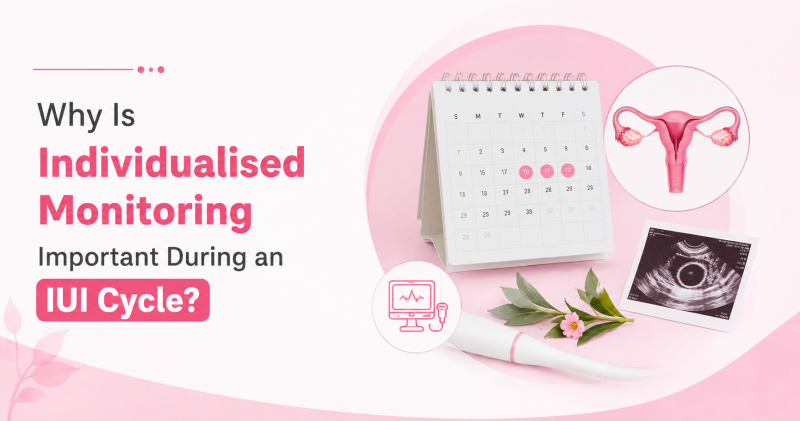
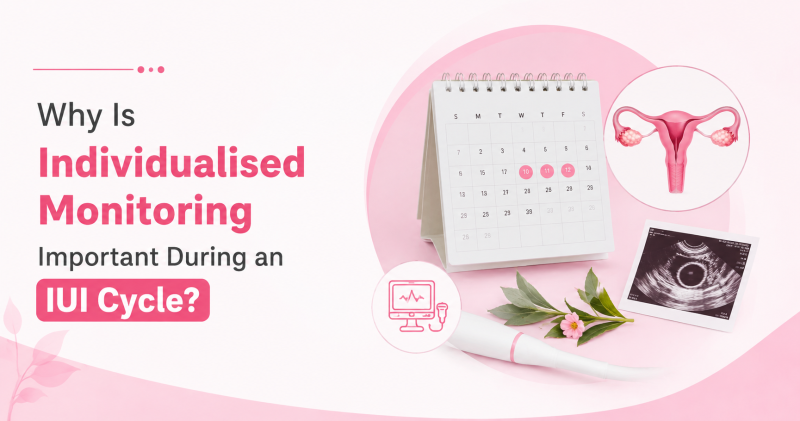
Why Is Individualised Monitoring Important During an IUI Cycle?
 Deepak
If you are preparing for intrauterine insemination (IUI), you may assume the procedure is the main event. In reality, much of what shapes an IUI cycle happens in the days before it. Careful, personalised monitoring helps the doctor decide the right time for insemination and whether the cycle is going as planned.
This is one of the key things to look for when comparing options for IUI Treatment in Delhi. Two couples may follow the same protocol on paper, but their bodies rarely respond in the same way.
What Does Monitoring During an IUI Cycle Mean?
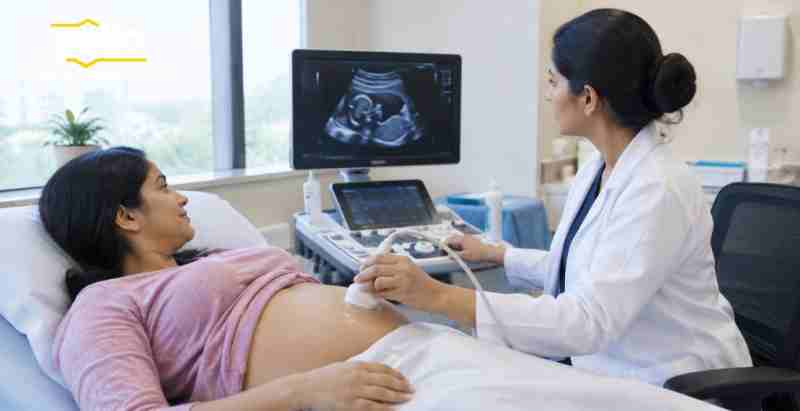
Monitoring means tracking how your ovaries and uterine lining respond during the cycle. It is usually done through:
- Transvaginal ultrasound: to measure the number and size of developing follicles (the fluid-filled sacs that contain eggs) and the thickness of the uterine lining
- Blood tests: in some cases, to check hormone levels such as estradiol or LH
- Ovulation tests: urine LH kits, used alongside scans in some cycles
Scans are typically scheduled at points that suit your cycle, not on a fixed timetable for every patient. That is what “individualised” means in practice.
Why One Schedule Does Not Fit Everyone
Every woman ovulates differently. Some follicles grow quickly, some slowly, and some cycles are shorter or longer than expected. Even the same woman may respond differently from one month to the next.
Factors that influence response include:
- Age and ovarian reserve
- Whether ovulation is natural or stimulated with medication
- Conditions such as PCOS, endometriosis, or irregular cycles
- The type and dose of fertility medicines used
- Previous cycle responses
A fixed, one-size-fits-all approach can miss the right window. Personalised monitoring lets the doctor adjust the plan based on what is actually happening in your body.
What Individualised Monitoring Helps Doctors Decide
Timing of the trigger injection and insemination
IUI works best when sperm are placed close to the time of ovulation. By tracking follicle growth, the doctor can judge when a follicle is mature and decide when to give a trigger injection or when to schedule insemination. Getting this timing right matters because an egg is viable for a limited period after release.
Medication dose adjustments
If ovulation-inducing medicines are used, monitoring shows whether the dose is producing a suitable response. If follicles grow too slowly, the plan may be adjusted. If too many follicles develop, the doctor may reconsider the cycle.
Managing the risk of multiple pregnancy and overstimulation
When several mature follicles develop, the chance of a multiple pregnancy rises. Multiple pregnancies carry higher risks for both mother and babies. Monitoring allows the doctor to discuss options, which may include modifying or cancelling the cycle, rather than proceeding blindly.
Checking the uterine lining
A healthy lining supports implantation. Ultrasound helps assess whether the lining looks appropriate. If it does not, the doctor can consider why and decide on next steps.
Deciding when to stop or change course
Sometimes a cycle does not respond as hoped, with no dominant follicle or poor lining development. Early detection avoids unnecessary procedures and costs, and helps the doctor revise the plan for the next cycle.
What Happens If Monitoring Is Minimal?
Without regular tracking, a cycle may be timed by estimate. This can mean insemination happening too early or too late, missed signs of poor response, or unnoticed overstimulation. None of this means a cycle will fail, but good monitoring gives the best chance of making informed decisions at each stage.
What Patients Can Expect During Monitoring
A typical IUI cycle often involves a few visits, though the number varies:
- A baseline scan early in the cycle to check the ovaries and uterus
- One or more follow-up scans to track follicle growth
- A decision on timing, followed by a trigger injection if advised
- The IUI procedure, which is usually quick and well tolerated
- Follow-up as advised, including a pregnancy test at the recommended time
The scans are generally brief and relatively comfortable. If anything feels unclear, patients should feel free to ask questions. A good fertility team explains what each scan shows and why a decision is being made.
Choosing a Clinic That Takes Monitoring Seriously
When searching for the best IUI centre in Delhi, it helps to look beyond the procedure itself. Useful questions to ask:
- How is my cycle going to be monitored, and how often?
- Who will review my scans and explain the results?
- What happens if I respond too strongly or too weakly to medication?
- How will the plan be adjusted in future cycles?
Clear answers to these questions usually reflect a thoughtful, patient-centred approach. Dr. Poonam Goyal, a gynecologist and fertility specialist in Delhi, follows this approach by tailoring IUI cycles to each couple’s own test results and response. Patients who also want broader women’s health care often search for the best obstetrics and gynecology in Delhi, and continuity of care across fertility, pregnancy, and gynecological needs can be reassuring.
When to Seek Fertility Guidance
Consider speaking with a fertility specialist if:
- You have been trying to conceive for a year without success, or six months if you are 35 or older
- Your periods are irregular or ovulation is uncertain
- You have known conditions such as PCOS, endometriosis, or tubal concerns
- You have previously had an IUI cycle that did not go as expected
Early guidance helps you understand your options and avoid unnecessary delays.
This article is for general education and does not replace personalised medical advice. IUI success varies with age, test results, and individual circumstances, and no treatment can guarantee pregnancy.
If you would like a consultation regarding IUI treatment, you can visit Dr. Poonam Goyal at:
- Panchsheel Hospital: C-3/63A, 64A, opp. Gokulpuri Police Station, Block C, Yamuna Vihar, Shahdara, Delhi, 110053
- Max Super Speciality Hospital, Vaishali: HOD, IVF & Infertility MAX SUPERSPECIALITY HOSPITAL Vaishali
Frequently Asked Questions
1. How many scans are usually needed during an IUI cycle?
It varies. Some women need a baseline scan and one or two follow-ups, while others need more depending on how quickly follicles grow. Your doctor will decide the schedule based on your response.
2. Why does the timing of IUI matter so much?
An egg can be fertilised only for a limited time after ovulation. Monitoring helps place sperm in the uterus close to that window, which supports the best opportunity for fertilisation.
3. Can an IUI cycle be cancelled after monitoring begins?
Yes, in some situations. If there is no adequate response or too many mature follicles develop, the doctor may advise cancelling or modifying the cycle for safety and effectiveness.
4. Is monitoring painful?
Most women find transvaginal ultrasound brief and tolerable, though some experience mild discomfort. Blood tests involve a standard needle prick.
5. Is monitoring also needed if IUI is done in a natural cycle?
Yes. Even without medication, tracking ovulation through scans or tests helps determine the best time for insemination.
Source:
Click for the: Full Story
You might like