Close Menu
 World
World
 Biography
 Health
 Education
 Business
 Lifestyle
 Sports
 Technology
 Animals
 History
 Food
Food
 Religious
 Startups
 Movies
 Politics
 Fashion
 Covid
Covid
 Diet
Diet
 Fitness
 Marketing
 Travel
 Science
 Reviews
 Social media
 Stories
 Facts
Facts
 Art
Art
 Entertainment
Rajan

Health
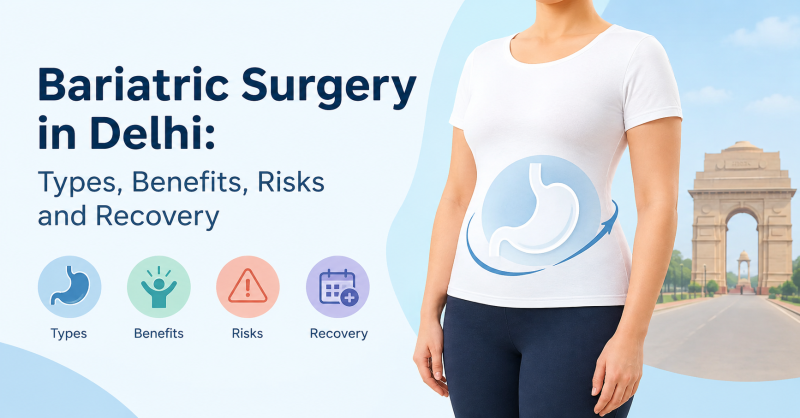
Bariatric Surgery in Delhi: Types, Benefits, Risks and Recovery
 Rajan
Rajan
Obesity is rising across India's cities, and Delhi is no exception. Long work hours, sedentary routines, and calorie-dense food make sustained weight loss difficult even for motivated people. When diet and exercise haven't worked, bariatric surgery can be a medically supported option.
Surgery is a major decision, though, and the outcome depends heavily on the procedure chosen, the care team, and your own commitment afterward. This guide covers the main procedure types, their benefits and risks, what recovery looks like, and how to find the best bariatric surgeon in Delhi for your situation.
What Is Bariatric Surgery?
Bariatric (metabolic) surgery changes the digestive system to help people lose weight and improve obesity-related health conditions. Depending on the procedure, it limits how much you can eat, reduces how many calories your body absorbs, or both. It also alters gut hormones that control hunger and blood sugar.
Who Is Eligible?
Eligibility varies between hospitals, but general guidelines for Asian populations, who develop metabolic problems at lower BMIs, suggest surgery may be considered if:
- Your BMI is 37.5 or higher, or
- Your BMI is 32.5 or higher with conditions such as type 2 diabetes, hypertension, sleep apnoea, or fatty liver disease, and
- You've tried supervised diet and lifestyle changes without lasting results, and
- You're medically fit for anaesthesia and willing to commit to long-term follow-up.
Your surgeon will assess your history, medications, and test results before recommending anything.
Types of Bariatric Surgery
1. Sleeve Gastrectomy
About 75–80% of the stomach is removed, leaving a narrow, banana-shaped tube. This limits food intake and lowers levels of ghrelin, the hunger hormone. It is one of the most commonly performed bariatric procedures worldwide.
2. Roux-en-Y Gastric Bypass
A small stomach pouch is created and connected directly to the middle of the small intestine, bypassing a portion of the digestive tract. It restricts intake and reduces absorption, and it is often favoured for patients with severe acid reflux or difficult-to-control diabetes.
3. Mini Gastric Bypass (One Anastomosis Gastric Bypass)
A simplified bypass with a single intestinal connection. It can mean a shorter operating time and strong weight-loss results, but it requires careful long-term nutritional monitoring.
4. Other Options
Adjustable gastric banding is now rarely used because of long-term complications. Intragastric balloons are temporary, non-surgical options for people with lower BMIs or those preparing for surgery.
No procedure is universally "best." The right choice depends on your BMI, health conditions, eating habits, and surgical risk.
Also read:
Robotic weight loss surgeon in Delhi
Benefits of Bariatric Surgery
When paired with lifestyle changes, patients often experience:
- Significant weight loss: many lose 60–70% of excess body weight over 12–18 months.
- Improved or resolved type 2 diabetes, sometimes within days to weeks of surgery.
- Lower blood pressure and cholesterol.
- Relief from sleep apnoea, joint pain, and acid reflux.
- Better mobility, energy, and quality of life.
- Improved fertility and hormonal balance in some women with PCOS.
Results vary from person to person and depend on long-term adherence to nutrition and activity guidelines.
Risks and Possible Complications
Bariatric surgery is generally safe in experienced hands, but every operation carries risk. Possible complications include:
- Bleeding or infection
- Staple-line or anastomotic leaks
- Blood clots
- Acid reflux (particularly after sleeve gastrectomy)
- Gallstones due to rapid weight loss
- Nutritional deficiencies, including iron, B12, calcium, and vitamin D
- Dumping syndrome after bypass procedures
- Hair thinning and loose skin during rapid weight loss
Most risks are reduced by choosing a skilled surgeon, a well-equipped hospital, and committing to follow-up care.
Recovery: What to Expect
Most procedures are done laparoscopically, using small incisions, which helps with faster healing.
- Hospital stay: typically 2–3 days.
- Diet progression: clear liquids first, then pureed foods, soft foods, and finally regular textures over 6–8 weeks.
- Return to work: usually within 1–2 weeks for desk jobs, longer for physically demanding work.
- Activity: gentle walking starts immediately; avoid heavy lifting for about 4–6 weeks.
- Supplements: lifelong multivitamin and mineral support is usually needed.
- Follow-ups: regular check-ins with the surgeon, dietitian, and sometimes a counsellor during the first year.
How to Choose the Best Bariatric Surgeon in Delhi
Searching for the best bariatric surgeon in Delhi can be overwhelming, and the right choice has less to do with advertising than with credentials and process. Look for:
- Qualifications and specialisation in laparoscopic and bariatric surgery
- Experience with a high volume of bariatric cases and a transparent complication record
- A multidisciplinary team, including dietitians, anaesthetists, and physicians
- Hospital infrastructure, such as ICU backup and equipment suited to patients with a higher BMI
- Honest counselling that explains alternatives, risks, and realistic outcomes, rather than promising guaranteed results
- Structured follow-up for nutrition and long-term monitoring
Location matters for convenience, since you'll need several follow-up visits. Many patients prefer to search for the best bariatric surgeon in Central Delhi because of its accessibility from across the city and the NCR. Reviewing an [experienced bariatric surgeon in Delhi's professional background and areas of practice]([TARGET URL]) can help you check these factors before booking a consultation. Whoever you consider, take time to seek a second opinion and ask for details about their approach.
Conclusion
Bariatric surgery can be life-changing for people struggling with severe obesity and related conditions, but it works best as part of a long-term commitment to healthier habits. Understanding the types, benefits, and risks helps you ask better questions and set realistic expectations. Take your time to research, compare options, and consult more than one specialist. Finding the best bariatric surgeon in Delhi is ultimately about trust, transparency, and a care plan that fits you.
Frequently Asked Questions
1. How much weight can I lose after bariatric surgery?
Most patients lose a large share of their excess weight within 12–18 months. The amount varies with the procedure, starting weight, diet, and exercise habits.
2. Is bariatric surgery safe?
Modern laparoscopic bariatric surgery has a low complication rate when performed by experienced surgeons in well-equipped hospitals. Risks still exist and should be discussed in detail beforehand.
3. Will I regain weight after surgery?
Some regain is possible, particularly if dietary guidelines and follow-ups are neglected. Long-term success depends on lasting lifestyle changes alongside the surgery.
4. How long does it take to recover?
Most people return to light daily activities within one to two weeks, though complete dietary adjustment and healing take several weeks.
5. Does insurance cover bariatric surgery in India?
Coverage depends on your insurer, policy terms, and medical necessity. Check eligibility, waiting periods, and documentation requirements with your provider before the procedure.
Disclaimer: This article is for general information and does not replace personalised medical advice. Consult a qualified healthcare professional before making treatment decisions.
Source:
Click for the: Full Story
You might like