Close Menu
 World
World
 Biography
 Health
 Education
 Business
 Lifestyle
 Sports
 Technology
 Animals
 History
 Food
Food
 Religious
 Startups
 Movies
 Politics
 Fashion
 Covid
Covid
 Diet
Diet
 Fitness
 Marketing
 Travel
 Science
 Reviews
 Social media
 Stories
 Facts
Facts
 Art
Art
 Entertainment
Rajan

Health
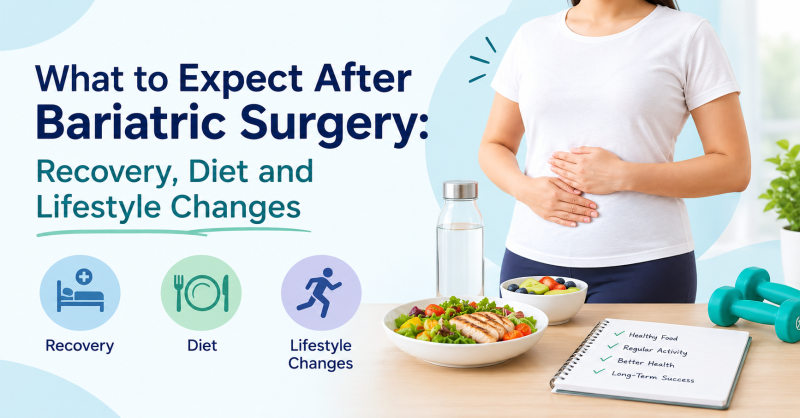
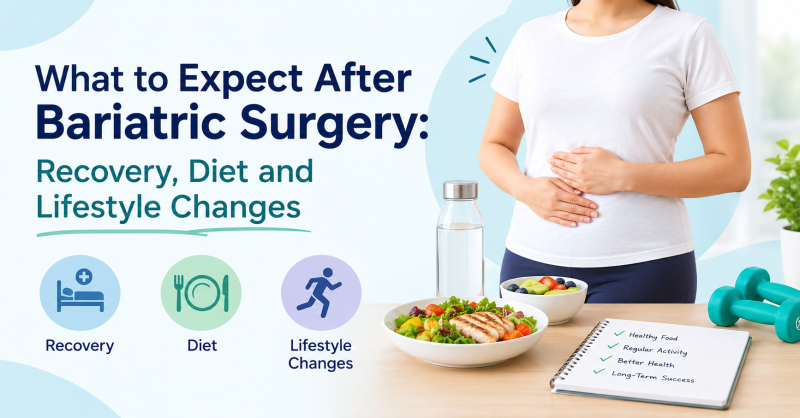
What to Expect After Bariatric Surgery: Recovery, Diet and Lifestyle Changes
 Rajan
Rajan
Most people spend months preparing for bariatric surgery, but the operation itself is only the start. The weeks and years that follow, covering healing, eating, activity, and follow-up, shape how well the surgery works. Patients who understand this early tend to feel more in control and recover with fewer setbacks.
This guide walks through the recovery timeline, the post-surgery diet, lifestyle adjustments, and warning signs to watch for. It also explains why aftercare matters when you're choosing the best bariatric surgeon in Delhi.
The First Few Days: Hospital Recovery
Most laparoscopic bariatric procedures need a hospital stay of two to three days. In that time, you can expect:
- Early movement: nurses will help you walk within hours of surgery to lower the risk of blood clots.
- Pain management: mild to moderate discomfort at the incision sites and some shoulder pain from the gas used during surgery are common and settle in a few days.
- Sips of water first, followed by clear liquids once your team confirms you're tolerating them.
- Medication and supplement guidance before discharge, including any blood thinners, acid-reducing medication, and vitamins.
Weeks 1 to 6: Healing at Home
Fatigue is normal in the first couple of weeks. Most people with desk jobs return to work in one to two weeks, though physically demanding jobs may need four to six weeks.
During this period:
- Walk several times a day, increasing the distance gradually.
- Avoid heavy lifting and strenuous exercise until your surgeon clears you, usually around four to six weeks.
- Keep incisions clean and dry, and follow wound-care instructions.
- Don't skip follow-up appointments, even if you feel well.
Also read:
Robotic weight loss surgeon in Delhi
The Post-Surgery Diet: Stage by Stage
Your new stomach needs time to heal, so food is reintroduced slowly. Exact timelines vary between surgeons and procedures, but a typical progression looks like this:
- Weeks 1 to 2: Liquids. Water, clear broths, buttermilk, and sugar-free fluids in small, frequent sips.
- Weeks 2 to 4: Pureed foods. Smooth dal, blended soups, thin yoghurt, and protein-rich purees.
- Weeks 4 to 6: Soft foods. Scrambled eggs, soft paneer, well-cooked vegetables, and flaked fish.
- After about 6 to 8 weeks: Regular textures, introduced gradually, with protein first.
Eating Habits That Make a Difference
- Prioritise protein. Most programmes aim for roughly 60 to 80 grams a day, but your dietitian will set a personal target. Protein protects muscle and supports healing.
- Eat slowly. Take small bites, chew thoroughly, and stop at the first sign of fullness. Overeating can cause pain, nausea, or vomiting.
- Separate drinks from meals. Sip fluids between meals rather than with them, and aim for about 1.5 to 2 litres of water daily to prevent dehydration.
- Limit sugar and fried foods, which can trigger dumping syndrome after bypass procedures and slow progress after any procedure.
- Avoid carbonated drinks and alcohol. Both can irritate the stomach, and alcohol is absorbed faster after surgery.
Vitamins and Supplements
Because you eat less, and with some procedures absorb less, supplements become a lifelong part of your routine. These usually include a multivitamin, calcium with vitamin D, vitamin B12, and iron where needed. Regular blood tests help catch deficiencies before they cause fatigue, hair loss, or anaemia. Never stop supplements because you feel fine.
Lifestyle Changes for Long-Term Success
Surgery gives you a tool, and lifestyle determines how well it works.
- Stay active. Aim to build up to around 150 minutes of moderate exercise a week, adding strength training to preserve muscle.
- Build a routine around meals. Planned meals and snacks reduce impulsive eating.
- Look after your mental health. Rapid body changes can bring mood swings, body-image concerns, or a difficult relationship with food. Counselling and support groups help.
- Plan pregnancy carefully. Doctors generally advise waiting 12 to 18 months after surgery.
- Be cautious with painkillers. Anti-inflammatory drugs such as ibuprofen can cause ulcers in some patients, so check with your surgeon before using them.
What's Normal, and What Needs Attention
Mild nausea, fatigue, constipation, and temporary hair thinning (often around months 3 to 6) are common. Contact your medical team promptly if you experience:
- Fever or worsening pain
- Persistent vomiting or inability to keep fluids down
- Redness, swelling, or discharge at the incision site
- Chest pain, breathlessness, or a swollen, painful leg
- A rapid heartbeat
Why Follow-Up Care Matters When Choosing the Best Bariatric Surgeon in Delhi
When people look for the best bariatric surgeon in Delhi, they often focus on the operation and overlook what comes after. Yet complications, nutritional gaps, and weight regain are often tied to the quality of long-term follow-up. A good programme includes a dietitian, scheduled reviews in the first year, blood monitoring, and psychological support.
Accessibility matters too, since you will return for check-ups many times. That's why some patients look specifically for the best bariatric surgeon in Central Delhi, which is well connected to the rest of the city and the NCR.
Conclusion
Recovery after bariatric surgery is a gradual process built on patience, nutrition, movement, and consistent medical support. Knowing what to expect, from the staged diet to lifelong supplements, makes the journey smoother and the results more lasting. As you evaluate the best bariatric surgeon in Delhi, look beyond the procedure itself and ask how your recovery and long-term health will be supported.
Frequently Asked Questions
1. When can I return to normal activities?
Light daily activities and desk work usually resume within one to two weeks. Intense workouts and heavy lifting generally wait four to six weeks, subject to your surgeon's approval.
2. Why am I losing hair after surgery?
Temporary hair thinning is common between months 3 and 6 because of rapid weight loss and lower nutrient intake. Adequate protein, regular supplements, and follow-up blood tests usually help, and hair typically regrows.
3. Can I eat normally again?
You'll return to regular textures, but portions stay small and food choices matter. Protein-rich, nutrient-dense foods should come first, and high-sugar or fried items should stay limited.
4. How much weight will I lose in the first few months?
Weight loss is fastest in the first six months and then slows. The amount varies by procedure, starting weight, diet, and activity levels.
5. Is it possible to regain weight?
Yes. Regain can happen if portion control, exercise, and follow-ups lapse. Staying engaged with your care team is the best protection.
Disclaimer: This article is for general information only and does not replace personalised medical advice. Always follow the guidance of your own surgical and dietetic team.
Source:
Click for the: Full Story
You might like