Close Menu
 World
World
 Biography
 Health
 Education
 Business
 Lifestyle
 Sports
 Technology
 Animals
 History
 Food
Food
 Religious
 Startups
 Movies
 Politics
 Fashion
 Covid
Covid
 Diet
Diet
 Fitness
 Marketing
 Travel
 Science
 Reviews
 Social media
 Stories
 Facts
Facts
 Art
Art
 Entertainment
Deepak

Health
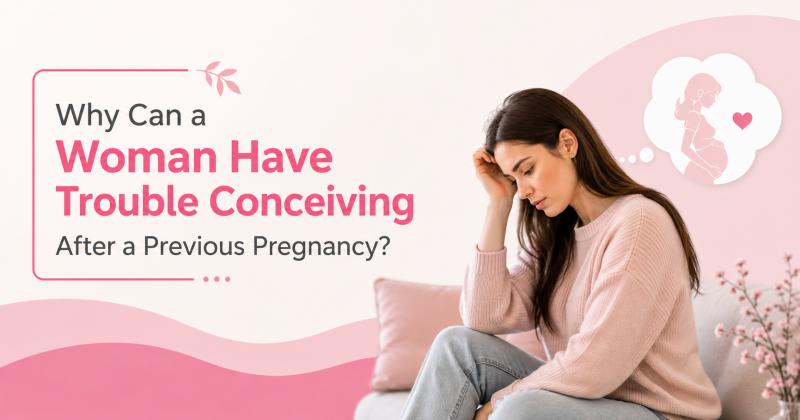
Why Can a Woman Have Trouble Conceiving After a Previous Pregnancy?
 Deepak
You have already carried a pregnancy, so it is natural to assume the next one will come easily. When months pass without a positive test, many women feel confused, and some feel guilty or even embarrassed to talk about it.
This situation is common enough to have a medical name: secondary infertility. It means difficulty conceiving or carrying a pregnancy after you have previously had at least one pregnancy. A past pregnancy is encouraging, but it does not guarantee that your body is in the same condition today.
This article explains the possible reasons, the signs worth noticing, and when it may be sensible to speak with a doctor. It is general information and not a substitute for an individual medical assessment.
What Is Secondary Infertility?
Secondary infertility refers to trouble getting pregnant, or staying pregnant, after a previous successful pregnancy. The earlier pregnancy may have ended in a live birth, a miscarriage, or an ectopic pregnancy, and it may have happened naturally or with fertility treatment.
Doctors usually consider a fertility evaluation after about 12 months of regular, unprotected intercourse if a woman is under 35, and after about 6 months if she is 35 or older. Many women seeking help for female infertility in Delhi first assume something must have been "done wrong." In most cases, nothing was. Fertility can change over time for several reasons.
Common Reasons for Trouble Conceiving After a Previous Pregnancy
Conception depends on several things working together: ovulation, healthy fallopian tubes, a receptive uterus, and healthy sperm. A change in any of these can affect your chances.
1. Age-Related Changes in Egg Quality and Quantity
Egg count and egg quality decline gradually with age, and the decline becomes more noticeable after the mid-30s. If a few years have passed since your last pregnancy, your ovarian reserve may be different now. This is one of the most frequent reasons for secondary infertility, and it is something a simple evaluation can assess.
2. Ovulation Problems
Ovulation can become irregular after pregnancy, breastfeeding, weight changes, stress, or hormonal conditions. Common contributors include:
- Polycystic ovary syndrome (PCOS)
- Thyroid disorders
- Raised prolactin levels
- Significant weight gain or loss
Cycles that are very long, very short, or unpredictable can be a sign that ovulation is not occurring regularly.
3. Fallopian Tube Damage or Blockage
Tubes can be affected by pelvic infections, a previous ectopic pregnancy, endometriosis, or scarring from abdominal or pelvic surgery. A caesarean section, a fibroid removal, or an infection after delivery can occasionally contribute to adhesions. Since tubes carry the egg and sperm to meet, blockage can make natural conception difficult even when ovulation is normal.
4. Changes Inside the Uterus
The uterine lining needs to be healthy for an embryo to implant. Possible concerns include:
- Uterine scarring (adhesions), which can follow a D&C procedure or infection
- Fibroids or polyps, which may distort the uterine cavity
- A caesarean scar defect, sometimes called a niche
- Retained tissue after a miscarriage or delivery
Many of these can be identified with an ultrasound or other imaging and are often treatable.
5. Endometriosis and Adenomyosis
Endometriosis may develop or progress over time, even after a woman has had a child. Painful periods, pain during intercourse, and heavy bleeding can be clues, though some women have no obvious symptoms.
6. The Male Factor
Fertility is a shared matter. Sperm count, movement, and shape can change with age, medical conditions, medications, smoking, alcohol use, or heat exposure. This is why a thorough evaluation usually includes both partners, even when the first pregnancy was straightforward.
7. Lifestyle and Health Changes
Weight changes, poor sleep, high stress, smoking, excess alcohol, and uncontrolled conditions such as diabetes can quietly affect fertility. Postpartum life is demanding, and these factors are easy to overlook.
Signs That Deserve Attention
Consider speaking with a doctor sooner if you notice:
- Irregular, absent, or very painful periods
- Heavy bleeding or bleeding between periods
- Pain during intercourse
- A history of pelvic infection, ectopic pregnancy, or repeated miscarriage
- Previous uterine or pelvic surgery
- Known conditions such as PCOS, thyroid disease, or endometriosis
What Does a Fertility Evaluation Usually Involve?
An evaluation is not as daunting as many women expect. Depending on your history, a gynecologist may suggest:
- A detailed discussion of your menstrual, obstetric, and surgical history
- A pelvic ultrasound to examine the uterus and ovaries
- Hormone blood tests, which may include AMH, thyroid, and prolactin levels
- An assessment of fallopian tube patency
- A semen analysis for your partner
Not every woman needs every test. The aim is to find what is actually affecting your fertility so that advice is specific to you.
Treatment Options
Treatment depends entirely on the cause. Depending on the findings, a doctor may discuss:
- Lifestyle and weight guidance
- Medication to support ovulation or correct a hormonal problem
- Treatment of infections or endometriosis
- Minimally invasive procedures for polyps, adhesions, or fibroids
- Assisted options such as IUI or IVF when appropriate
Outcomes vary from person to person, and no responsible clinician can promise a specific result. A good plan is one that is explained clearly and adapted to your circumstances.
When to See an Infertility Specialist
Consider booking a consultation if:
- You are under 35 and have not conceived after 12 months
- You are 35 or older and have not conceived after 6 months
- You are over 40, where earlier evaluation is generally advised
- You have irregular cycles or any of the warning signs above
- You have had a miscarriage or ectopic pregnancy and are finding it hard to conceive again
Seeing an infertility specialist in Delhi does not mean you must start intensive treatment. For many women, the first visit is simply a way to understand where they stand and whether anything needs attention.
Finding the Right Support in Delhi
Choosing a doctor is a personal decision. When researching the best female infertility care in Delhi, look beyond reputation alone. It is worth considering whether the doctor listens to your history, explains the reasoning behind each test, discusses options honestly, and respects your pace.
Dr. Poonam Goyal is a gynecologist and fertility specialist in Delhi who works with women facing difficulties conceiving, including those who have been pregnant before. A consultation can help clarify whether your concerns need investigation, treatment, or simply reassurance and monitoring.
A Final Word
Struggling to conceive after a previous pregnancy is more common than most people realize, and it is rarely about anything you did or did not do. Often the cause is identifiable, and many causes can be addressed. If you have been trying for a while, or if something about your cycles or health feels different from before, getting evaluated early can bring clarity and save valuable time.
Frequently Asked Questions
1. Is it normal to have difficulty conceiving a second time?
Yes. Secondary infertility is quite common. Changes in age, ovulation, fallopian tube health, the uterus, or a partner's sperm quality can all affect fertility, even after an earlier easy pregnancy.
2. How long should I try before seeing a doctor for secondary infertility?
Generally, 12 months if you are under 35 and 6 months if you are 35 or older. Consult sooner if you have irregular periods, pelvic pain, a history of ectopic pregnancy or pelvic infection, or are over 40.
3. Can a caesarean section affect future fertility?
Sometimes. Scarring or a scar defect in the uterus can occasionally interfere with conception or implantation, though many women conceive without any difficulty after a C-section. An ultrasound can help check the uterus if concerns arise.
4. Can stress or breastfeeding delay pregnancy?
Both can influence ovulation and cycle regularity in some women. Exclusive breastfeeding may suppress ovulation for a time, and ongoing stress can affect hormones. If cycles have not returned to normal, it is worth discussing with a doctor.
5. Do both partners need to be tested?
Usually, yes. Male factors contribute to a substantial share of fertility difficulties, so evaluating both partners helps identify the cause more efficiently, even if your partner fathered a previous pregnancy.
Source:
Click for the: Full Story
You might like