Close Menu
 World
 Biography
 Health
 Education
 Business
 Lifestyle
 Sports
 Technology
 Animals
 History
 Food
 Religious
 Startups
 Movies
 Politics
 Fashion
 Covid
 Diet
 Fitness
 Marketing
 Travel
 Science
 Reviews
 Social media
 Stories
 Facts
 Art
 Entertainment
Rajan

Health
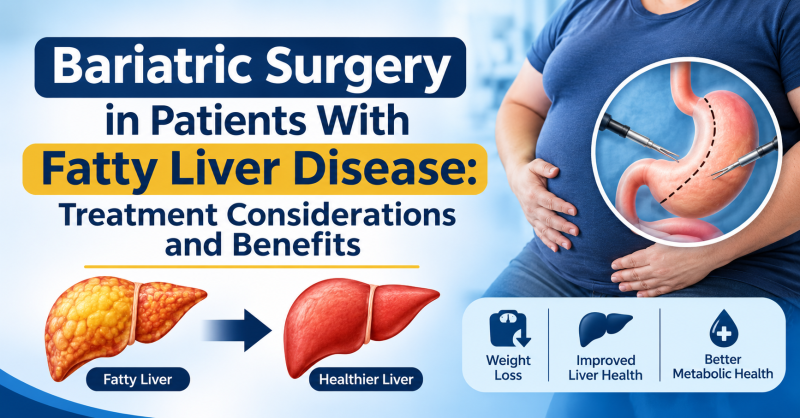
Bariatric Surgery in Patients With Fatty Liver Disease: Treatment Considerations and Benefits
 Rajan
Fatty liver is often discovered by accident, on an ultrasound done for something else. For many people in Delhi, the diagnosis comes with a long list of advice: lose weight, cut oil, walk daily. Yet a significant number of patients with severe obesity try these measures for years and still struggle to lose enough weight to protect their liver. For them, bariatric surgery is a recognised, evidence-supported option. This article explains how fatty liver and obesity are connected, who may benefit from surgery, what the risks are, and what to look for when searching for the best bariatric surgeon in Delhi.
Understanding Fatty Liver Disease in Obesity
Fatty liver disease is now called metabolic dysfunction-associated steatotic liver disease (MASLD), a newer name for what was earlier known as non-alcoholic fatty liver disease (NAFLD). It means excess fat has built up in the liver in someone with metabolic risk factors such as obesity, type 2 diabetes, high blood pressure or abnormal cholesterol.
The condition exists on a spectrum:
- Simple fatty liver (steatosis): fat in the liver without significant damage
- Steatohepatitis (MASH, formerly NASH): fat with inflammation and liver cell injury
- Fibrosis: scarring of the liver
- Cirrhosis: advanced scarring, with a risk of liver failure and liver cancer
Fatty liver usually causes no symptoms in its early stages, which is why it is often called a silent condition. Some people notice tiredness or a vague discomfort in the upper right abdomen, but many notice nothing until the disease is advanced.
Why Weight Loss Matters for the Liver
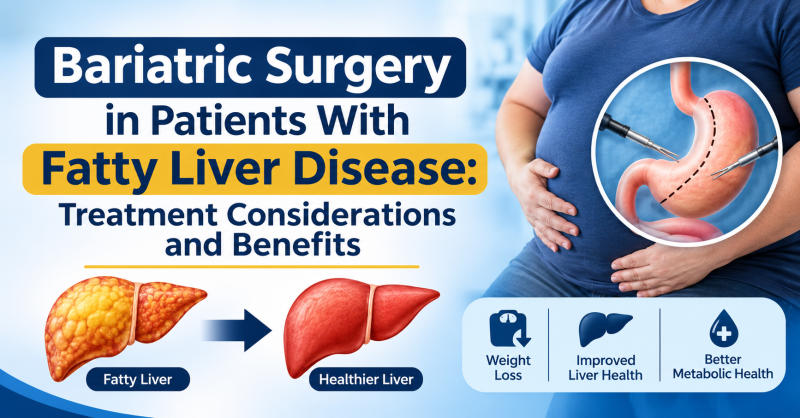
Body weight is the most important modifiable factor in this condition. Liver fat falls as weight falls, and larger, sustained weight loss is associated with better outcomes: modest loss can reduce liver fat, while greater loss is more likely to improve inflammation and scarring. Lifestyle change remains the first step for everyone. However, in people with severe obesity, diet and exercise alone often do not produce or maintain the weight loss needed, and this is where surgery enters the discussion.
How Bariatric Surgery Can Help the Liver
Bariatric surgery reduces stomach size and, in some procedures, alters how food is absorbed. The weight loss and metabolic changes that follow can benefit the liver in several ways:
- Reduced liver fat
- Improved insulin sensitivity and blood sugar control
- Lower inflammation in many patients with steatohepatitis
- Improvement, and in some patients regression, of early liver fibrosis
- Better control of related conditions such as diabetes, hypertension and sleep apnoea
Outcomes vary from person to person. Surgery is not a cure for liver disease, and benefits depend on the stage of liver damage, the extent of weight loss and long-term lifestyle habits.
Who May Be a Candidate?
Eligibility is based on body mass index (BMI), related health conditions and overall fitness for surgery. Current international guidelines generally consider surgery for people with a BMI of 35 or above, and for some with a lower BMI who have significant metabolic disease. Lower BMI thresholds are usually applied to people of Asian origin, because metabolic risks appear at lower body weights. The final decision should always come from a full assessment rather than a BMI number alone.
Before surgery, patients with fatty liver typically undergo:
- Liver function and metabolic blood tests
- Ultrasound and a liver stiffness assessment such as elastography
- Evaluation for diabetes, heart and lung health, and sleep apnoea
- Upper GI endoscopy in selected patients
- Dietitian counselling, and sometimes a short pre-operative diet to reduce liver size
Patients with advanced fibrosis or cirrhosis need especially careful evaluation, often with a hepatologist (liver specialist) involved. Surgery may be possible in selected patients with well-compensated cirrhosis at experienced centres, while those with decompensated liver disease carry much higher risks.
Common Procedures
ProcedureHow it worksPoints to considerSleeve gastrectomyRemoves a large part of the stomach, leaving a narrow sleeveWidely performed; no rerouting of the intestine; reflux may worsen or appear in some patientsRoux-en-Y gastric bypassCreates a small stomach pouch and reroutes part of the small intestineStrong effect on weight and diabetes; needs lifelong vitamin and mineral monitoringOne-anastomosis (mini) gastric bypassA simpler bypass with a single intestinal joinEffective for weight loss; bile reflux and nutritional deficiencies need monitoring
The right choice depends on the patient's weight, diabetes, reflux, liver status and surgical risk. The adjustable gastric band is rarely used now.
Risks and Considerations
Every operation carries risk, and patients with liver disease deserve a frank discussion. General risks include bleeding, infection, leaks from staple or join lines, blood clots, and anaesthetic complications. Specific considerations include:
- Gallstones, which are more likely with rapid weight loss
- Nutritional deficiencies, such as iron, vitamin B12, calcium and vitamin D, which require lifelong supplements and blood tests
- Reflux or dumping symptoms, depending on the procedure
- Liver-related risk, which rises as fibrosis advances, making pre-operative staging essential
- Alcohol sensitivity, as alcohol can be absorbed faster after some procedures and is best avoided in people with liver disease
Recovery and Life After Surgery
Most laparoscopic (keyhole) procedures involve a short hospital stay, and many patients return to desk work within a couple of weeks, though this varies. Diet progresses in stages, from liquids to pureed and soft foods and then to regular small meals over several weeks. Regular follow-up is a must: weight, liver tests, blood sugar and vitamin levels are tracked for years. Protein-rich meals, hydration, supplements and physical activity form the foundation of long-term success. Surgery is a tool, and results last only when habits change with it.
Choosing the Best Bariatric Surgeon in Delhi
Searching for the best bariatric surgeon in Delhi can be confusing, because "best" is not a formal qualification. It is more useful to look for:
- Specific training and substantial experience in laparoscopic and bariatric surgery
- A multidisciplinary team that includes a dietitian, physician and anaesthetist
- Willingness to coordinate with a liver specialist when needed
- A clear explanation of alternatives, including non-surgical options
- Honest discussion of risks, expected weight loss and long-term follow-up
- A well-equipped hospital with intensive care backup
Patients who want an individual opinion can consult an experienced bariatric surgeon to understand whether surgery is appropriate for their liver and weight profile. Dr. Tarun Mittal is a surgeon with more than 20 years of experience and consults at Sir Ganga Ram Hospital, Old Rajendra Nagar, New Delhi – 110060, a convenient location for those looking for the best bariatric surgeon in Central Delhi. Whichever surgeon you choose, bring your liver reports, and ask how your fatty liver will be assessed before and after the operation.
Conclusion
Fatty liver disease and obesity feed each other, and for people with severe obesity, bariatric surgery can break that cycle by improving weight, metabolic health and, in many cases, liver condition. The decision should rest on a thorough assessment of liver stage, overall health and realistic expectations. When choosing the best bariatric surgeon in Delhi, prioritise experience, a team-based approach and transparent communication over reputation alone. If you have been told you have fatty liver and your weight has not responded to repeated efforts, an informed conversation with a qualified surgeon and liver specialist is a sensible next step.
Disclaimer: This article is for general education and does not replace personal medical advice, diagnosis or treatment.
Frequently Asked Questions
1. Can bariatric surgery cure fatty liver?
It can significantly reduce liver fat and, in many patients, improve inflammation and early scarring. However, it is not a guaranteed cure, and the liver needs ongoing monitoring even after weight loss.
2. Is bariatric surgery safe if I have fatty liver?
For most patients with simple fatty liver or early fibrosis, surgery is considered reasonably safe in experienced hands. Risk rises with advanced fibrosis or cirrhosis, so detailed pre-operative liver assessment is essential.
3. How much weight must I lose to help my liver?
There is no single number. Liver fat generally starts to fall with modest weight loss, while greater and sustained loss is linked with better improvement in inflammation and fibrosis.
4. Are there medicines for fatty liver instead of surgery?
Treatment of related conditions such as diabetes, cholesterol and blood pressure is important, and newer medicines for steatohepatitis with fibrosis have been approved in some countries. Availability in India varies, and a doctor can advise whether they suit you.
5. Will fatty liver come back after surgery?
It can if weight is regained or lifestyle habits slip. Long-term follow-up, healthy eating and regular activity protect the benefits of surgery.
Source:
Click for the: Full Story
You might like