Close Menu
 World
 Biography
 Health
 Education
 Business
 Lifestyle
 Sports
 Technology
 Animals
 History
 Food
 Religious
 Startups
 Movies
 Politics
 Fashion
 Covid
 Diet
 Fitness
 Marketing
 Travel
 Science
 Reviews
 Social media
 Stories
 Facts
 Art
 Entertainment
Rajan

Health
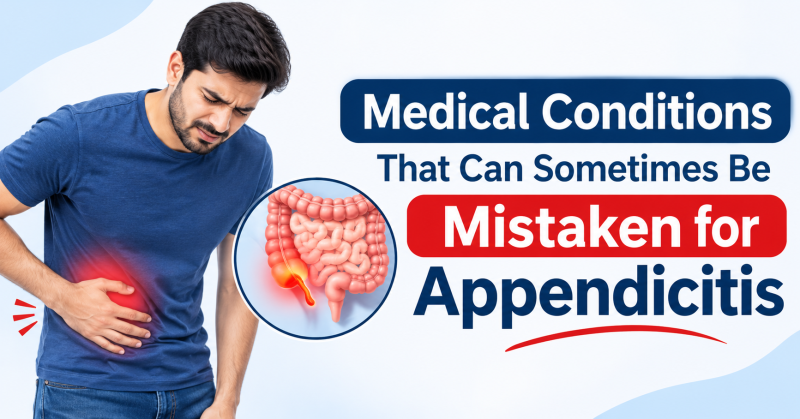
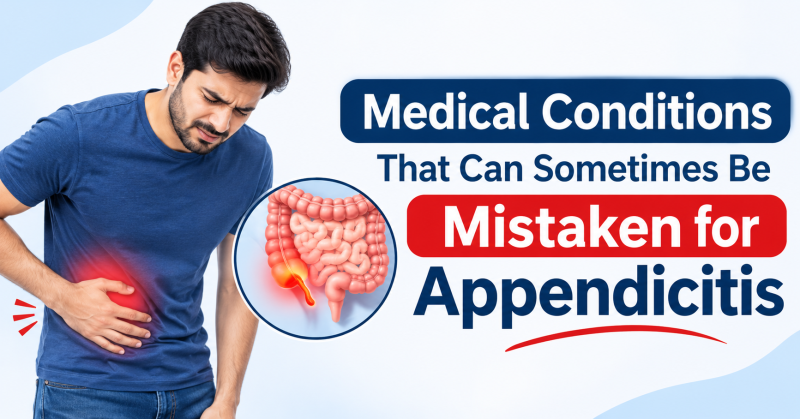
Medical Conditions That Can Sometimes Be Mistaken for Appendicitis
 Rajan
Sudden pain in the lower right abdomen sends many people straight to the emergency room, fearing appendicitis. Sometimes that fear is justified. But a surprising number of other conditions cause very similar symptoms, and even experienced doctors can find the diagnosis tricky at first.
This guide explains which conditions can mimic appendicitis, why the confusion happens, how doctors tell them apart, and what to look for when choosing the best appendix surgeon in Central Delhi if surgery is truly needed.
Understanding Appendicitis
The appendix is a small pouch attached to the large intestine. Appendicitis occurs when it becomes blocked or infected and inflamed. Classic symptoms include:
- Pain that begins around the navel and shifts to the lower right abdomen
- Loss of appetite
- Nausea or vomiting
- Low-grade fever
- Tenderness that worsens with movement, coughing, or pressure
The problem is that many patients do not follow this “textbook” pattern, especially children, older adults, pregnant women, and people with an appendix in an unusual position. That is where look-alike conditions come in.
Conditions That Can Mimic Appendicitis
1. Gastroenteritis (Stomach Infection)
Viral or bacterial gastroenteritis causes cramping, nausea, vomiting, and fever. The key difference is that diarrhea is usually more prominent, and the pain tends to be more diffuse rather than fixed in one spot.
2. Mesenteric Adenitis
Swollen lymph glands in the abdominal lining, often after a throat or respiratory infection, can cause right-sided pain and fever. It is especially common in children and usually settles without surgery.
3. Ovarian Cyst or Ovarian Torsion
In women, a ruptured or twisted ovarian cyst can cause sudden lower abdominal pain. Torsion is an emergency of its own and needs urgent care.
4. Ectopic Pregnancy
A pregnancy implanting outside the uterus can cause one-sided pain and bleeding. It is a medical emergency, which is why doctors often check a pregnancy test in women of reproductive age.
5. Pelvic Inflammatory Disease (PID)
Infection of the reproductive organs can cause lower abdominal pain, fever, and discharge, closely resembling appendicitis.
6. Kidney Stones and Urinary Tract Infection
A stone moving through the ureter can cause intense pain that radiates to the groin, often with blood in the urine or burning during urination. Ultrasound or CT usually clarifies the cause.
7. Crohn’s Disease
This inflammatory bowel disease often affects the last part of the small intestine, right next to the appendix. Chronic diarrhea, weight loss, and recurrent pain may point towards it.
8. Diverticulitis
Inflamed pouches in the colon typically cause left-sided pain, but in some people, especially in parts of Asia, they occur on the right side and can look just like appendicitis.
9. Gallbladder Disease
Gallstones or an inflamed gallbladder can sometimes cause pain that spreads lower than the usual upper right abdomen, particularly after fatty meals.
10. Constipation and Irritable Bowel Syndrome
Trapped gas and stool can cause painful cramping. It is less likely to cause fever or sustained tenderness.
11. Hernia
A complicated groin hernia can cause pain in the lower right abdomen, sometimes with a visible bulge.
Why the Confusion Happens
The lower right abdomen is crowded. The appendix, part of the colon, small intestine, ovary, ureter, and lymph nodes all sit close together, and irritation of any of them is felt in nearly the same place. Early appendicitis can also look like a mild stomach upset, and the appendix itself can lie behind the colon or deep in the pelvis, changing where the pain is felt.
How Doctors Reach the Right Diagnosis
No single test is perfect, so doctors combine several findings:
- Clinical examination: pattern of pain, tenderness, and rebound tenderness
- Blood tests: raised white cell count and inflammatory markers suggest infection
- Urine tests: help identify urinary infection or stones
- Pregnancy test: to rule out ectopic pregnancy in women of reproductive age
- Ultrasound: often the first imaging, especially in children and pregnant women
- CT scan: gives a detailed view when the diagnosis is unclear
- Observation: in uncertain cases, repeat examinations over several hours can show whether pain is progressing
Scoring systems, such as the Alvarado score, can also help estimate how likely appendicitis is.
When Should You Seek Emergency Care?
Don’t wait at home if you have:
- Severe or worsening abdominal pain
- Pain with persistent vomiting
- Fever with abdominal tenderness
- Sudden relief followed by spreading, severe pain (which may indicate rupture)
- A rigid, very tender belly
A ruptured appendix can lead to a serious abdominal infection, so timely evaluation matters.
What to Look for in the Best Appendix Surgeon in Central Delhi
If appendicitis is confirmed, the choice of surgeon and hospital affects safety and recovery. Consider:
- Emergency readiness: round-the-clock operating theatre and anesthesia support
- Laparoscopic expertise: keyhole surgery typically means smaller scars, less pain, and a faster return to normal life
- Diagnostic judgment: a surgeon who avoids unnecessary surgery while not delaying necessary surgery
- Clear communication: explaining the diagnosis, options, risks, and recovery
- Hospital support: imaging, ICU facilities, and coordination with other specialists
Many patients searching for the best appendix surgery in Central Delhi find hospitals around Rajinder Nagar convenient, as the area is well connected by road and metro. One example is Dr. Tarun Mittal, a senior consultant surgeon with experience in laparoscopic and gastrointestinal surgery. Readers who want to learn more about appendix surgery in Central Delhi and the approaches used can visit his official website. His consultation address is Sir Ganga Ram Hospital, Sir Ganga Ram Hospital Marg, Old Rajinder Nagar, New Delhi, Delhi 110060.
Conclusion
Lower right abdominal pain has many possible causes, from infections and urinary stones to ovarian and bowel conditions, and appendicitis is only one of them. Accurate diagnosis relies on careful examination, appropriate tests, and sound surgical judgment. If you do need an operation, take time to find the best appendix surgeon in Central Delhi: someone experienced in laparoscopic techniques, backed by a well-equipped hospital, and willing to explain every step clearly. And when severe abdominal pain strikes, seek medical care early.
Disclaimer: This article is for general education and does not replace personal medical advice. Please consult a qualified doctor about your condition.
Frequently Asked Questions
1. Can appendicitis be treated without surgery?
In selected, uncomplicated cases, antibiotics alone may be tried, but recurrence is possible. Surgery to remove the appendix (appendectomy) remains the standard, definitive treatment. Your surgeon will advise based on your scans and condition.
2. How is appendicitis different from a simple stomach ache?
A stomach ache usually improves within hours and is not constantly worsening. Appendicitis pain typically intensifies over 12 to 24 hours, localizes to the lower right abdomen, and comes with loss of appetite and tenderness.
3. Is a CT scan always required?
No. Many cases are diagnosed using examination, blood tests, and ultrasound. CT is used when the diagnosis remains uncertain.
4. How long is recovery after laparoscopic appendectomy?
Most patients go home within a day or two and return to light activity within one to two weeks, though recovery varies with age, health, and whether the appendix had ruptured.
5. Can the appendix pain come and go?
Yes. Some people have milder, recurring symptoms before a full attack. Persistent or repeated right-sided pain should be evaluated rather than ignored.
Source:
Click for the: Full Story
You might like