Close Menu
 World
 Biography
 Health
 Education
 Business
 Lifestyle
 Sports
 Technology
 Animals
 History
 Food
 Religious
 Startups
 Movies
 Politics
 Fashion
 Covid
 Diet
 Fitness
 Marketing
 Travel
 Science
 Reviews
 Social media
 Stories
 Facts
 Art
 Entertainment
Rajan

Health
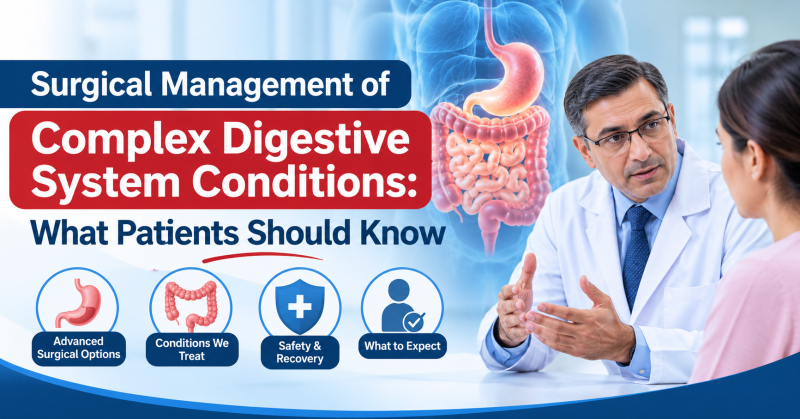
Surgical Management of Complex Digestive System Conditions: What Patients Should Know
 Rajan
Persistent abdominal pain, repeated bleeding, unexplained weight loss, or a bowel problem that medicines no longer control can be frightening. When tests show that the problem needs an operation, most patients have the same questions. Is surgery really necessary? How safe is it? How long will recovery take?
This guide explains how complex digestive conditions are managed surgically, what to expect before and after an operation, and what to look for when searching for a gastrointestinal surgeon in Central Delhi.
What Does a Gastrointestinal Surgeon Do?
A gastrointestinal (GI) surgeon treats conditions of the digestive tract and its related organs, including the esophagus, stomach, small and large intestine, rectum, liver, gallbladder, pancreas, and spleen. They also treat problems of the abdominal wall, such as hernias.
Many digestive problems are first managed by a physician or gastroenterologist with medicines, diet changes, or endoscopy. Surgery usually enters the picture when:
- Medical treatment has not worked or the condition keeps returning
- There is a blockage, perforation, or serious bleeding
- A tumor, polyp, or suspicious growth needs removal
- An organ is diseased or damaged beyond repair
- A structural problem, such as a large hernia, cannot heal on its own
Common Complex Digestive Conditions That May Need Surgery
Hernias. Large, recurrent, or complicated hernias (incisional, hiatal, or abdominal wall defects) often need reconstruction rather than simple repair.
Gallbladder and bile duct disease. Gallstones causing repeated pain, infection, or pancreatitis are commonly treated by removing the gallbladder.
Colorectal conditions. These include colon and rectal tumors, diverticular disease, severe inflammatory bowel disease, and complicated anal conditions like fistulas.
Upper GI disorders. Severe acid reflux, hiatal hernia, esophageal and stomach disorders, and tumors may need surgical correction.
Appendix and bowel emergencies. Appendicitis, intestinal obstruction, and perforation can need urgent surgery.
Obesity and metabolic disease. Bariatric surgery is sometimes considered for severe obesity when diet, exercise, and medical therapy have not worked.
Spleen and pancreas disorders. Some conditions of these organs also require surgical management.
Types of Surgical Approaches
The right approach depends on the condition, its stage, and your overall health.
Open Surgery
A single larger incision gives the surgeon direct access. It remains important for emergencies, very complex cases, or when previous surgeries have caused heavy scarring.
Laparoscopic (Keyhole) Surgery
Several small incisions are used, along with a camera and fine instruments. Compared with open surgery, patients typically have less pain, smaller scars, and a quicker return to routine activities.
Robotic-Assisted Surgery
The surgeon controls robotic instruments from a console, which offers magnified 3D vision and precise movement. It is increasingly used for delicate GI and colorectal procedures.
Not every patient is suited to every approach, and a good surgeon will explain why one method is recommended over another.
How to Prepare for Complex Digestive Surgery
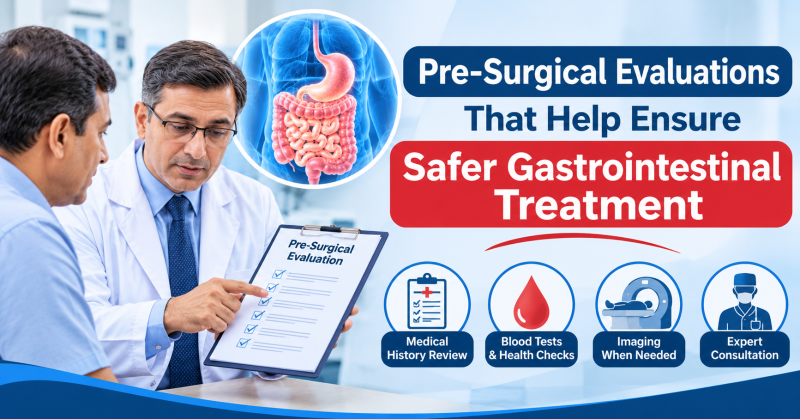
Preparation improves safety and recovery. Typically it involves:
- Detailed evaluation: blood tests, imaging (ultrasound, CT, MRI), and endoscopy or colonoscopy where needed.
- Medical clearance: checking the heart, lungs, kidneys, and blood sugar control.
- Medication review: blood thinners, diabetes medicines, and supplements may need adjusting.
- Nutrition and lifestyle: stopping smoking, improving nutrition, and gentle activity if advised.
- Informed consent: understanding the benefits, risks, alternatives, and expected recovery.
What Recovery Looks Like
Recovery varies widely, but most hospitals now follow “enhanced recovery” principles, which include early walking, early feeding where safe, good pain control, and avoiding unnecessary tubes or drains.
- Hospital stay: from a day or two for minor laparoscopic procedures to a week or more for major operations.
- Diet: often progresses from liquids to soft foods to a normal diet, depending on the surgery.
- Activity: light walking is encouraged early, while heavy lifting is restricted for several weeks.
- Follow-up: wound checks, review of biopsy results, and nutritional guidance are part of ongoing care.
Call your surgical team promptly if you develop high fever, worsening pain, persistent vomiting, wound discharge, or breathlessness.
Choosing a Gastrointestinal Surgeon in Central Delhi
Delhi has many excellent hospitals, so the decision often comes down to expertise, communication, and convenience. Consider:
- Qualifications and training: postgraduate surgical degrees and fellowships in minimal access, GI, or advanced laparoscopic surgery.
- Experience with your condition: ask how often the surgeon performs the specific procedure you need.
- Range of techniques: open, laparoscopic, and robotic options, with honest advice on which suits you.
- Hospital infrastructure: ICU backup, advanced imaging, and a multidisciplinary team (gastroenterologists, anesthetists, dietitians).
- Clear communication: a surgeon who explains alternatives, including non-surgical options.
- Accessibility: a central location matters for follow-up visits, especially after major surgery.
Surgeons practicing around Rajinder Nagar, which is well connected by metro and road, are often a practical choice for patients across Delhi and the NCR. For example, Dr. Tarun Mittal is a senior consultant surgeon working in laparoscopic, bariatric, and gastrointestinal surgery. He is described as having expertise in robotic gastrointestinal surgery, colorectal surgery, abdominal wall reconstruction, and advanced laparoscopic procedures. Patients searching for a gastrointestinal surgeon in Rajinder Nagar can read more about his areas of practice on his official website. His consultation address is Sir Ganga Ram Hospital, Sir Ganga Ram Hospital Marg, Old Rajinder Nagar, New Delhi, Delhi 110060.
Whichever surgeon you choose, a second opinion is reasonable for any major operation.
Conclusion
Complex digestive conditions can feel overwhelming, but modern surgery, from keyhole to robotic techniques, has made treatment safer and recovery faster than ever. The most important steps are getting an accurate diagnosis, understanding your options, and preparing well. When you’re looking for a gastrointestinal surgeon in Central Delhi, focus on training, experience with your specific condition, hospital support, and clear communication. Ask questions, seek a second opinion where needed, and choose the team you trust.
Disclaimer: This article is for general education and does not replace personal medical advice. Please consult a qualified doctor about your condition.
Frequently Asked Questions
1. When should I see a gastrointestinal surgeon instead of a gastroenterologist?
A gastroenterologist typically diagnoses and manages digestive diseases with medicines and endoscopic procedures. You are usually referred to a surgeon when an operation may be needed, such as for tumors, blockages, gallstones, hernias, or conditions that don’t respond to medical therapy. In many cases, both specialists work together.
2. Is laparoscopic surgery always better than open surgery?
Not always. Laparoscopic surgery often means smaller cuts and faster recovery, but open surgery may be safer in emergencies, in very advanced disease, or after multiple earlier operations. The best approach is the safest one for your specific situation.
3. How long does recovery take after major digestive surgery?
Minor laparoscopic procedures may allow a return to desk work within one to two weeks, while major bowel or upper GI operations can need four to eight weeks or more. Your age, health, and the type of surgery all influence this.
4. Are there risks I should know about?
All surgery carries risks, including infection, bleeding, anesthesia-related problems, and, depending on the operation, leaks at joined portions of the bowel or hernia recurrence. Pre-operative preparation and an experienced team lower these risks, and your surgeon should discuss them openly.
5. Can I get a second opinion before surgery?
Yes, and it is often encouraged for complex or elective procedures. A good surgeon will not object to you confirming the diagnosis and plan.
Source:
Click for the: Full Story
You might like