Close Menu
 World
 Biography
 Health
 Education
 Business
 Lifestyle
 Sports
 Technology
 Animals
 History
 Food
 Religious
 Startups
 Movies
 Politics
 Fashion
 Covid
 Diet
 Fitness
 Marketing
 Travel
 Science
 Reviews
 Social media
 Stories
 Facts
 Art
 Entertainment
Rajan

Health
Pre-Surgical Evaluations That Help Ensure Safer Gastrointestinal Treatment
 Rajan
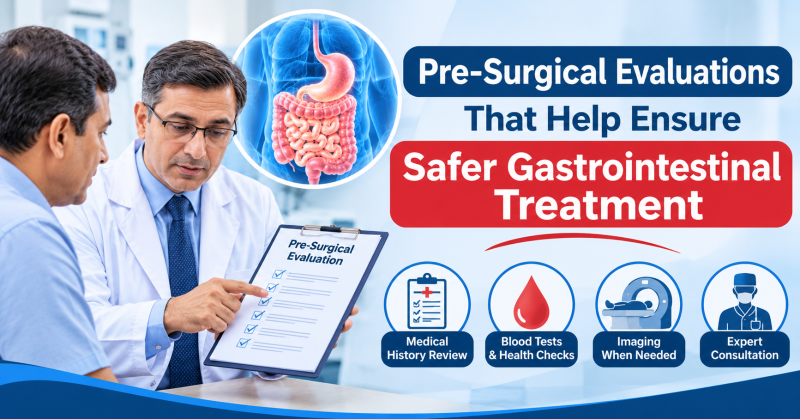
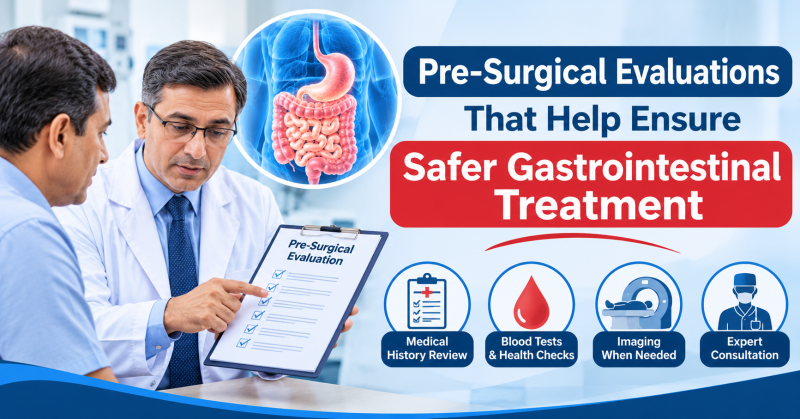
Most patients focus on the operation itself: the technique, the hospital, the surgeon. But a large part of a surgery’s safety is decided before anyone enters the operating room. A careful pre-surgical evaluation confirms the diagnosis, identifies risks, and lets the team plan around them.
If you are meeting a gastrointestinal surgeon in Central Delhi for the first time, this guide explains what the evaluation involves, why each step matters, and how you can prepare.
Why Pre-Surgical Evaluation Matters
Digestive surgery covers a wide range of procedures, from gallbladder removal and hernia repair to bowel resections and bariatric operations. Each affects nutrition, healing, and the body’s overall stress response. A thorough evaluation helps to:
- Confirm that surgery is truly needed, and which procedure is best
- Detect hidden conditions (heart, lung, kidney, diabetes) that raise risk
- Choose the safest approach: open, laparoscopic, or robotic
- Plan anesthesia, blood availability, and post-operative care
- Set realistic expectations about recovery
In short, it replaces surprises with a plan.
Step 1: Detailed History and Physical Examination
The first consultation is more than a formality. Expect questions about:
- Your symptoms, how long they have lasted, and what makes them better or worse
- Previous abdominal surgeries (scar tissue can change the surgical plan)
- Chronic illnesses such as diabetes, hypertension, thyroid disease, or asthma
- All medicines and supplements, including herbal products
- Allergies, smoking, alcohol use, and family history of digestive disease
- Recent weight loss, appetite changes, or bowel habit changes
Bring old prescriptions, reports, and discharge summaries. Missing information is one of the most common causes of avoidable complications.
Step 2: Diagnostic Tests for the Digestive Condition
Before any operation, the problem needs to be clearly defined. Depending on your symptoms, your surgeon may advise:
- Ultrasound: commonly used for gallstones, hernias, and liver or pancreas problems
- CT or MRI scan: shows the extent of tumors, abscesses, blockages, or complex hernias
- Upper GI endoscopy or colonoscopy: allows direct viewing of the lining and biopsy of suspicious areas
- Biopsy and pathology: confirms whether a growth is benign or cancerous
- Specialized tests: such as manometry or pH studies for reflux, or contrast studies for bowel function
Results guide not only whether to operate but how. For example, a CT scan can show whether a hernia defect is large enough to need abdominal wall reconstruction rather than a simple repair.
Step 3: General Fitness and Anesthesia Assessment
This is the part that protects you from risks unrelated to the digestive problem. Standard checks usually include:
- Blood tests: hemoglobin, kidney and liver function, electrolytes, blood sugar (and HbA1c in diabetics), and clotting profile
- ECG and, if needed, echocardiography: to assess heart health, especially in older patients
- Chest X-ray or lung function tests: for smokers or those with breathing problems
- Anesthesia consultation: the anesthetist reviews your airway, medical history, and drug allergies and decides the safest anesthetic plan
Patients with heart disease, kidney problems, or poorly controlled diabetes may need a physician or cardiologist’s opinion before surgery. This is routine and does not mean surgery is unsafe.
Step 4: Nutrition and Optimization
Healing depends heavily on nutrition. Many patients with digestive disease are underweight, anemic, or deficient in protein and vitamins, while others, such as those with obesity, face different risks.
Surgeons and dietitians may recommend:
- Protein-rich diet or supplements before surgery
- Correcting anemia with iron or other treatment
- Controlling blood sugar and blood pressure
- Weight reduction before certain elective procedures
- Stopping smoking at least several weeks beforehand, which improves wound and lung healing
Step 5: Medication Review
Some medicines need to be adjusted before surgery. Never stop or change anything on your own, but do ask specifically about:
- Blood thinners and antiplatelets (such as aspirin or warfarin)
- Diabetes medicines and insulin
- Blood pressure medicines
- Herbal products and supplements, some of which affect bleeding
Step 6: Informed Consent and Planning
A good evaluation ends with a clear conversation. You should understand the diagnosis, the proposed procedure, alternatives (including non-surgical options), the risks, and the expected recovery. This is also the time to discuss costs, hospital stay, and who will support you at home.
What to Look for in a Gastrointestinal Surgeon in Central Delhi
Because pre-surgical evaluation is so important, choose a surgeon who takes it seriously. Look for:
- A willingness to explain test results in plain language
- Coordination with anesthetists, gastroenterologists, and dietitians
- Comfort with open, laparoscopic, and robotic techniques
- A hospital with ICU and imaging support
- Openness to a second opinion
For patients across Delhi and the NCR, practitioners based near Rajinder Nagar are easy to reach by metro and road, which helps with follow-up visits. One such specialist is Dr. Tarun Mittal, a senior consultant surgeon whose practice covers areas such as robotic gastrointestinal surgery, colorectal surgery, abdominal wall reconstruction, and advanced laparoscopic procedures. Those looking for a gastrointestinal surgeon in Rajinder Nagar can learn more about his work on his official website. His consultation address is Sir Ganga Ram Hospital, Sir Ganga Ram Hospital Marg, Old Rajinder Nagar, New Delhi, Delhi 110060.
Conclusion
Safe gastrointestinal surgery begins long before the first incision. A detailed history, accurate diagnostic tests, fitness and anesthesia review, nutritional optimization, and honest discussion all reduce complications and speed recovery. When choosing a gastrointestinal surgeon in Central Delhi, prioritize someone who treats this preparation stage as seriously as the surgery itself. Bring your records, ask questions, and don’t hesitate to seek a second opinion.
Disclaimer: This article is for general education and does not replace personal medical advice. Please consult a qualified doctor about your condition.
Frequently Asked Questions
1. How long does pre-surgical evaluation take?
For planned surgery it may take a few days to a couple of weeks, depending on the tests needed and whether other specialists must review you. In emergencies, the evaluation is compressed into a few hours.
2. Do I need all these tests for a minor procedure?
Not always. The tests are tailored to your age, health, and the type of surgery. A healthy young adult having a routine laparoscopic procedure needs fewer tests than an older patient with heart disease facing a bowel resection.
3. Should I stop my regular medicines before surgery?
Only on your surgeon’s or anesthetist’s advice. Some medicines, such as blood thinners, may need to be paused, while others, such as many heart and blood pressure medicines, are usually continued.
4. Can surgery be postponed if my tests show a problem?
Yes, when the condition is not an emergency. Treating anemia, high blood sugar, or an infection first can make the operation much safer.
5. Is a second opinion before surgery a good idea?
Yes, particularly for complex or elective operations. A good surgeon will support it.
Source:
Click for the: Full Story
You might like